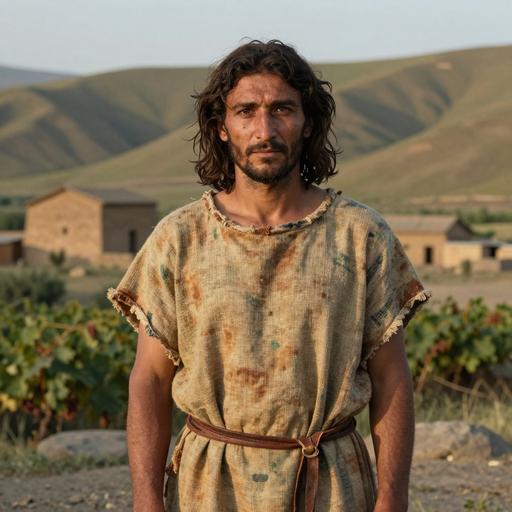
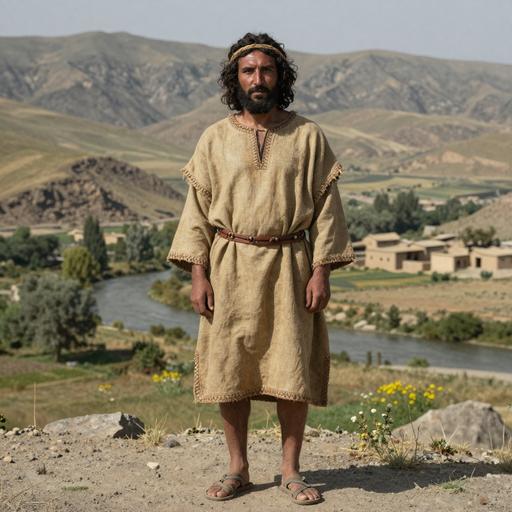
Archaeological traces from Areni‑1 paint a cinematic portrait: sun‑baked limestone ledges lined with storage vessels, hides and woven fragments folded into niches, and silent hearths where food was prepared and shared. Archaeobotanical and faunal remains recovered nearby indicate a mixed subsistence economy of herding, some cultivation, and gathered resources. Craft activities — pottery shaping, textile production, leatherwork — are evident in toolkits and micro‑residues, implying households that combined utility with skilled manufacture.
Cave contexts often preserve exceptional organic material, offering glimpses of clothing, footwear, and possible ritual paraphernalia. Social organization can be inferred as kin‑centered, with small burial assemblages and curated grave goods suggesting a community attentive to lineage and memory. Yet material culture also shows signs of long‑distance contact: styles and raw materials reflect exchanges along routes that passed through the Armenian highlands, connecting to Anatolian, Mesopotamian, and Caucasian neighbors. These networks likely carried not only objects but also ideas and, intermittently, people — a point echoed by the genetic diversity seen among the five Areni genomes.