Daily life in Early Iron Age Armenia was anchored in mixed agrarian economies, pastoral mobility, and artisanal production. At sites like Sarukhan and Bragdzor, archaeologists recover hearths, spindle whorls, iron blades and bronze ornaments that evoke the tactile rhythms of household craft — weaving, metalworking, and food preparation. Burial assemblages range from modest inhumations to richly furnished tombs, indicating social differentiation and possibly emerging elite households.
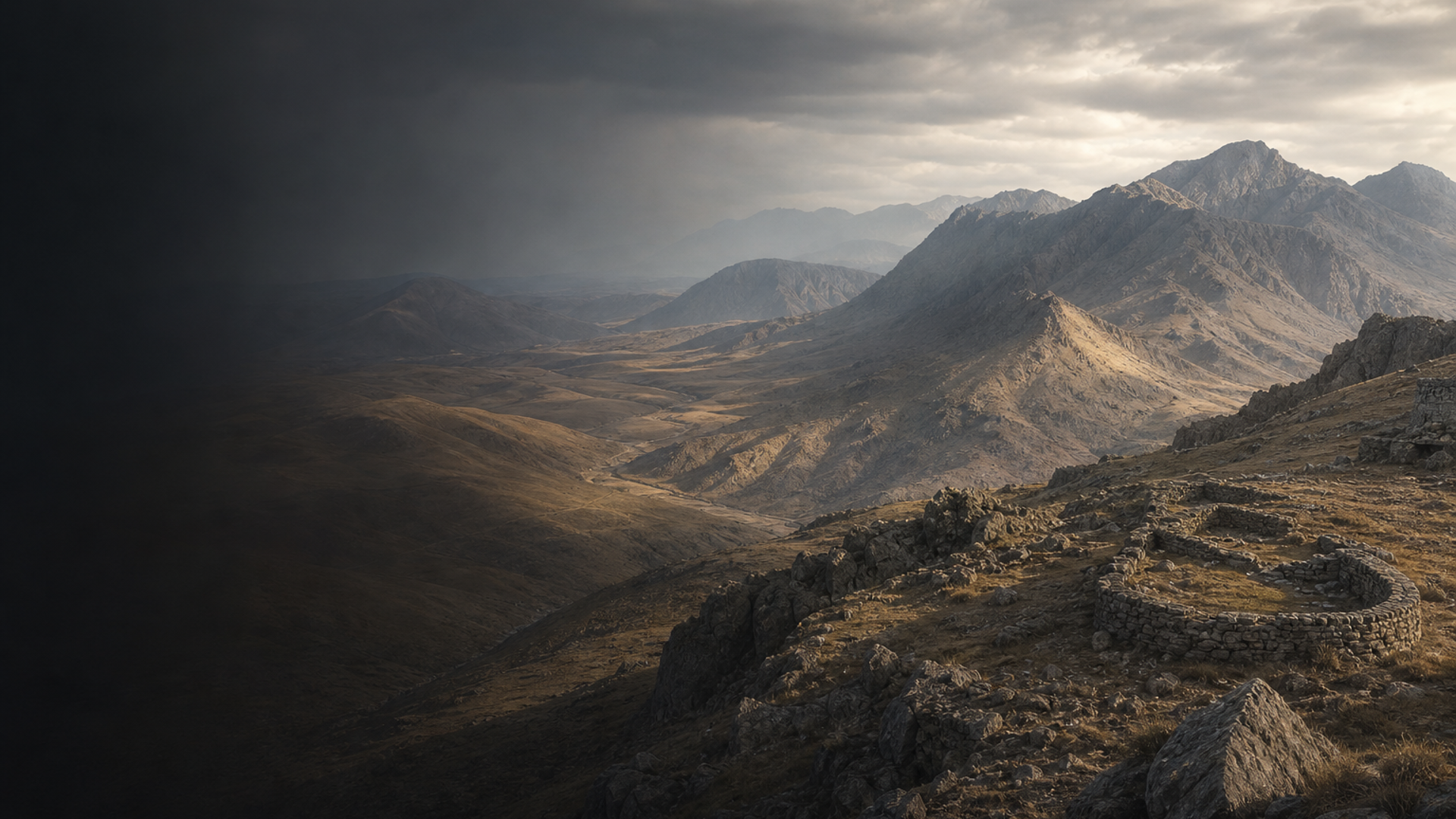
Landscape use combined seasonal transhumance with permanent settlements around fertile river valleys and lakeshores (Noratus region). The visual culture — carved stelae, pottery decoration, and metalwork — suggests identities expressed through craft and ritual. Funerary patterns indicate attention to dress, weaponry, and sometimes feasting, which archaeologists interpret as markers of social rank and community memory.
Archaeobotanical and zooarchaeological traces, where recovered, point to barley and wheat cultivation, sheep and cattle herding, and use of wild resources. Architectural remains are often ephemeral, but stone foundations and cemetery layouts provide glimpses of settlement planning and communal practices. While cinematic images of fortified citadels populate modern imagination, the ground-level evidence often speaks of households negotiating environment and exchange across a dynamic highland world.