Daily Life & Society
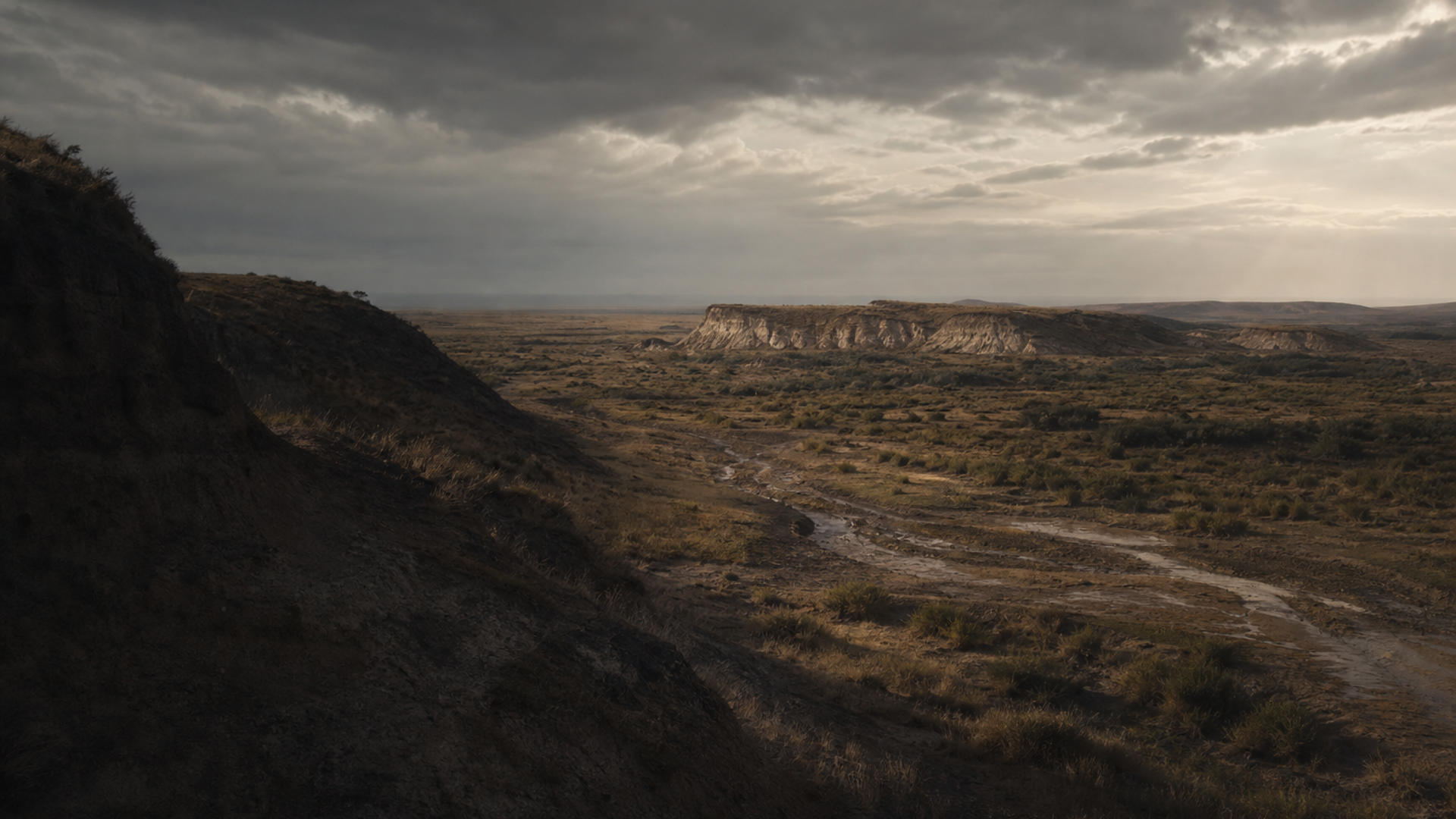
Archaeological traces from Arroyo Seco II evoke a world of seasonal movement, focused hunting, and intimate knowledge of plains ecologies. Lithic tools—fragments, flakes, and retouched pieces—suggest a toolkit optimized for cutting, scraping, and processing both plant and animal resources. Hearth remnants and faunal fragments indicate small-scale food processing and communal activities centered on warmth and cooking.
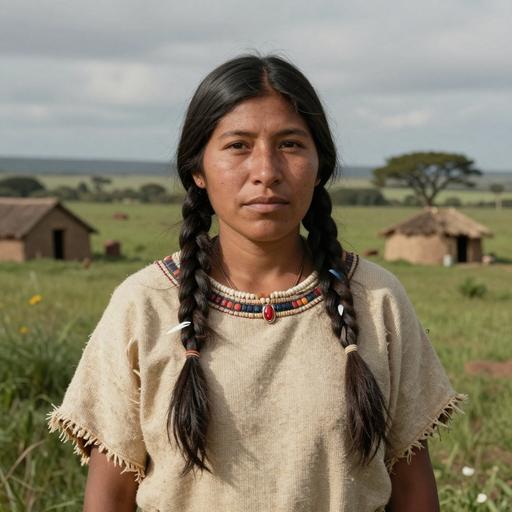
Social organization is difficult to reconstruct from a single occupation layer, but patterns typical of Early Holocene South American groups provide a plausible frame: small residential bands that joined and dispersed according to resource pulses, exchange of raw materials or finished tools across the landscape, and burial practices that sometimes inscribed social memory into the ground. Human remains at Arroyo Seco II (represented in the genetic sample) hint at mortuary behaviors, although the broader funerary repertoire and its meanings remain largely unobserved at the site.
Archaeological data indicates an adaptive economy balancing hunting of medium-sized mammals, exploitation of aquatic resources near marshes, and gathering of seasonally available plants. This lifeway produced resilient social strategies in a dynamic Holocene environment.