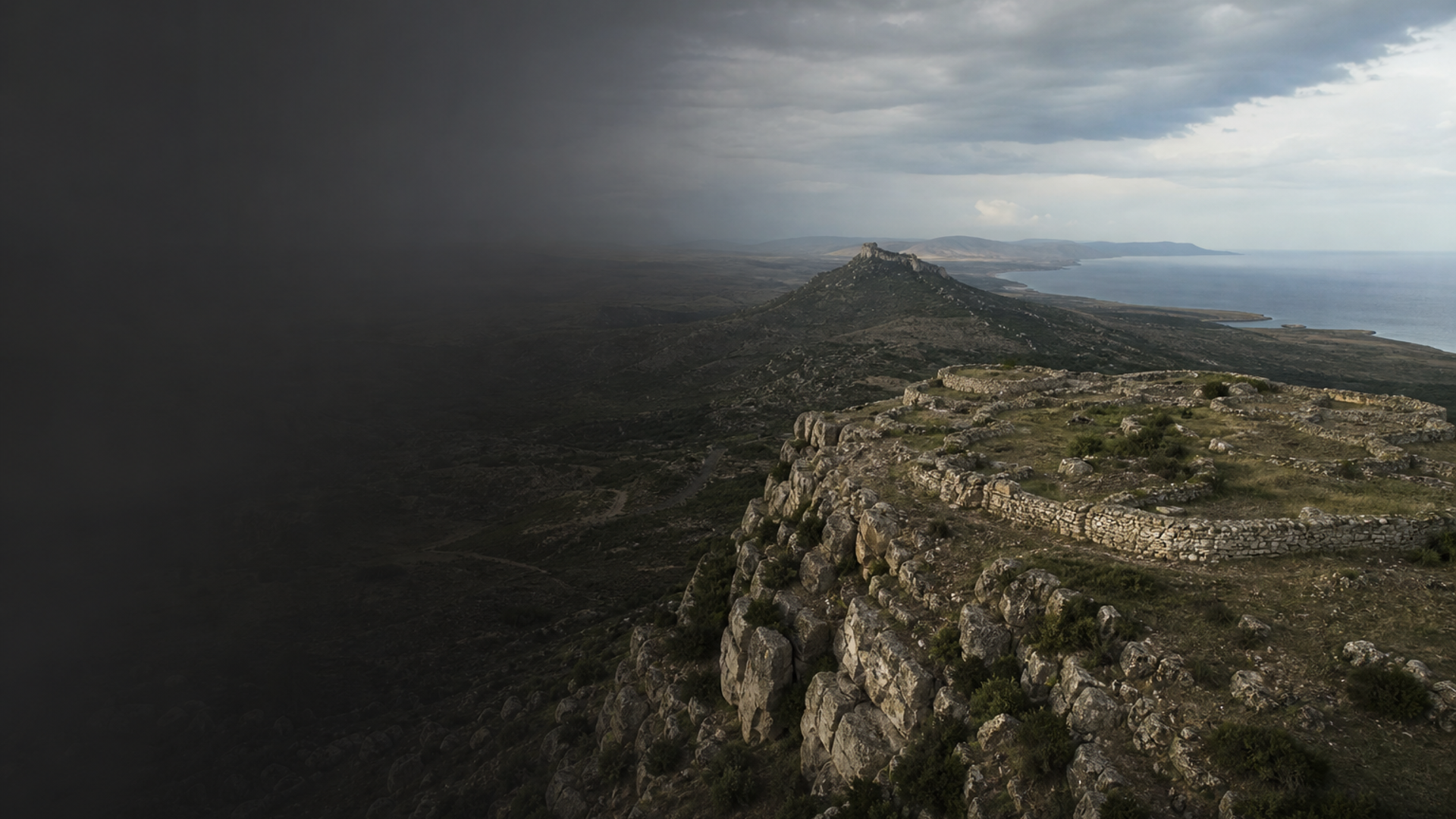
Archaeological excavations at Pech-Maho, Le Cailar and La Monédière reveal quotidian rhythms shaped by sea, salt marsh and hinterland fields. Domestic structures and storage pits indicate cereal cultivation, animal husbandry and craft production. Finds of metalworking debris and finished objects imply local artisanship alongside imported goods, suggesting both self-sufficiency and long-distance exchange.
Le Cailar’s central-place deposits and public spaces (excavated at Place de la Saint-Jean) point to episodes of communal activity — markets, feasting or ritual gatherings — while coastal sites like Pech-Maho acted as nodes in maritime communication. Burial evidence demonstrates variation in mortuary treatment, from inhumation to grave goods, hinting at social differentiation. Osteological indicators, where preserved, show diets influenced by terrestrial agriculture with marine supplements. Overall, archaeological traces present a vivid, tactile world of farmers, sailors, craftsmen and traders interacting across the western Mediterranean fringe.