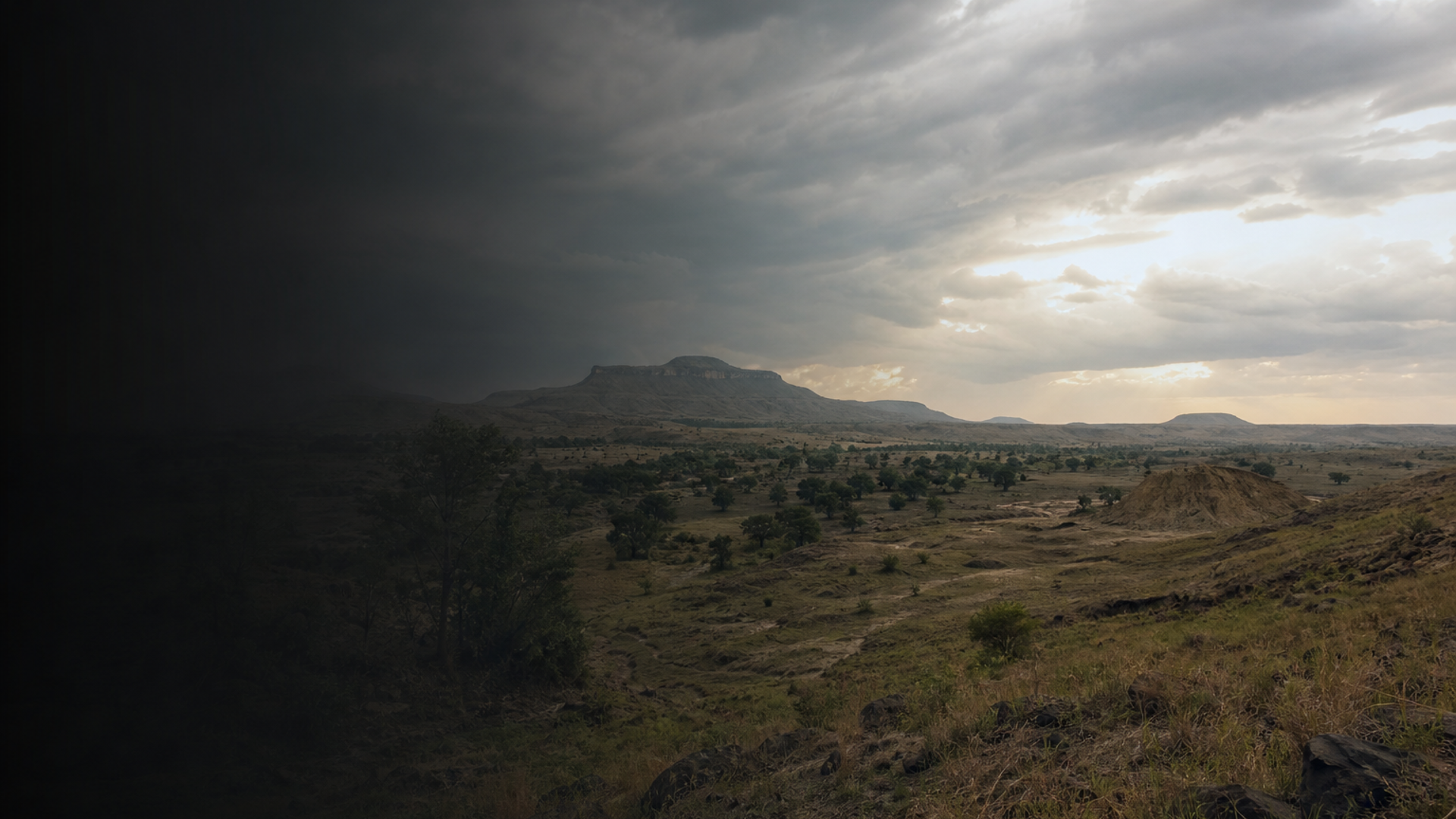
Aweil, set within the floodplains and scrublands of Northern Bahr el Ghazal, has historically supported mixed farming, fishing, and pastoralism. Ceramic fragments and ephemeral hearths recovered nearby reflect domestic activities — cooking, grain processing, and small‑scale craft — that anchor households to predictable seasonal cycles. Cattle remain culturally central across many Nilotic groups in South Sudan, functioning as wealth, bridewealth, and social currency; archaeological traces of kraals and dung‑rich soils often mark past animal enclosures.
Daily life in 2000 CE was shaped by the rhythms of riverine floods and dry seasons, by market exchanges in regional towns, and by networks of kinship stretching across modern borders. Material evidence is often blurred with contemporary refuse, so archaeologists must work hand in hand with oral history and ethnography to build a fuller picture.
Archaeological indicators in the Aweil area are therefore best read as snapshots of living tradition: household economies oriented around cereals, livestock, and river resources; a landscape of seasonal camps and semi‑permanent villages; and social institutions that mediate mobility and resource sharing. These observations inform genetic sampling strategies by highlighting likely pathways of interaction and marriage networks.