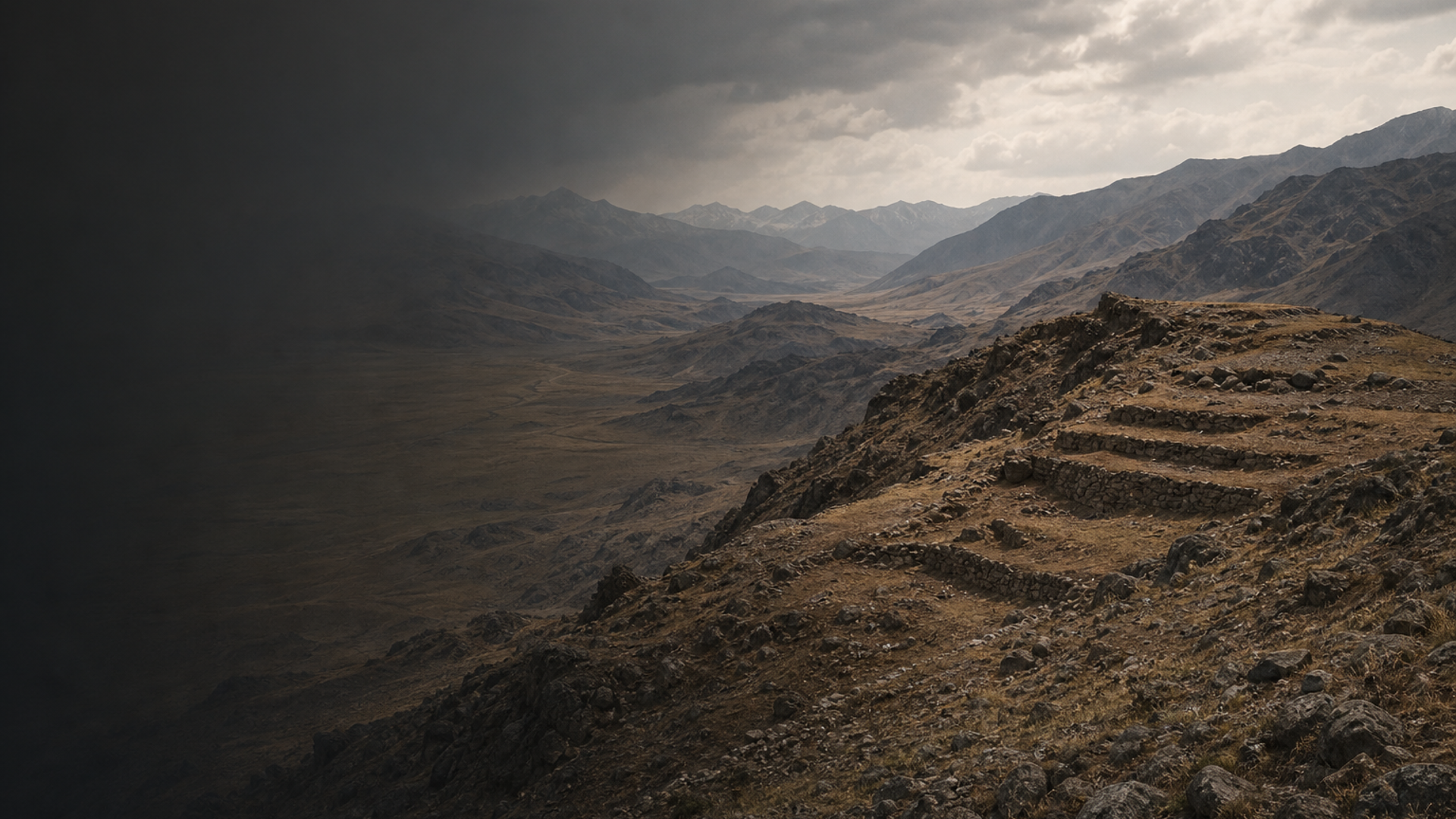
Archaeological traces paint a vivid, if partial, picture of daily life in the Iron Age Yili landscape. The ecology supports mixed economies: pastoralism on the open steppe, irrigated cropping in valley niches, and seasonal mobility that tied households to highland pastures. Material remains from nearby Iron Age sites in Xinjiang indicate craft production, animal husbandry, and the use of wheeled transport and pack animals—technologies that enable long-distance exchange.
Social life would have revolved around household assemblies, pastoral circuits, and ritual engagements with the landscape. Funerary deposits at Ayousaigoukou, though limited in published detail, hint at social differentiation and the importance of marking identity in death as well as life. Archaeological data indicates a community woven into wider trade and social networks: objects, metalwork styles, and burial practices show echoes of steppe and western influences filtered through local traditions.
Climate and topography shaped mobility and settlement size: river terraces sheltered agropastoral sites while mountain pastures supported seasonal herding. This interleaving of lifeways created resilient, adaptable societies able to navigate environmental and cultural crossroads.