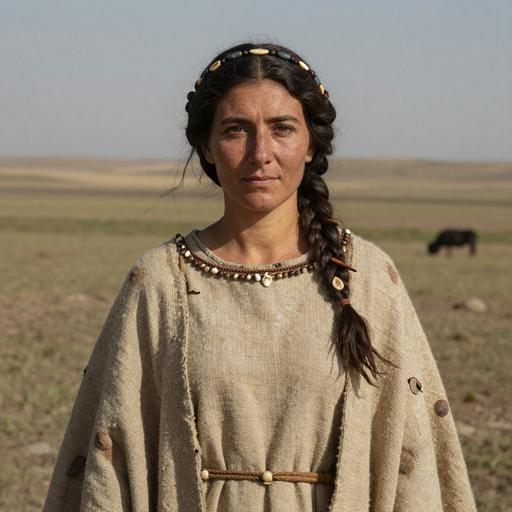
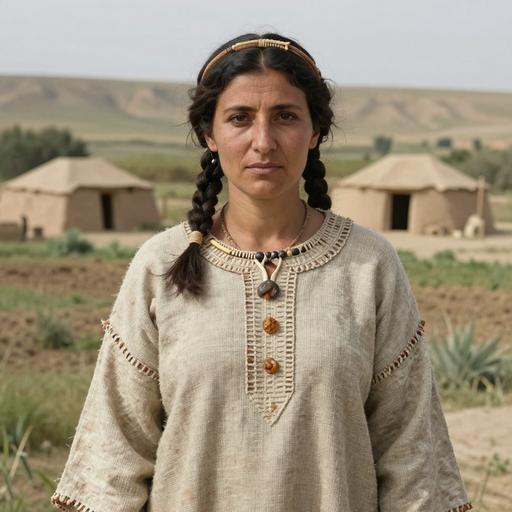
In the lowland plains of what is now Azerbaijan, communities were reshaping their lives between roughly 5730 and 5375 BCE. Archaeological data from sites such as Mentesh Tepe (Zeyem Chaj, Mentesh Tepe area) and Polutepe (Uchtepe village, Jalilabad district) indicate settled lifeways during the Late Neolithic, with pottery, small-scale farming, and participation in regional exchange networks. The landscape — a convergence of riverine plains and steppe margins — offered cultivable soils and routes for contacts across the southern Caucasus.
Limited evidence suggests these lowland communities were part of wider transformations across the Near East: the spread of domesticated plants and animals, evolving craft traditions, and intensified inter-site connections. While two recovered genomes provide direct human data, they are a slender thread in a much larger tapestry; archaeological contexts, ceramic assemblages, and settlement patterns remain crucial for reconstructing how these communities emerged and interacted.
Archaeological data indicates continuity with local Neolithic traditions alongside influences from neighboring upland and southern regions. The lowlands likely served as corridors for both goods and ideas, and as sedimentary archives of organic and cultural change. As more excavation and radiocarbon dating refine chronologies, these Mentesh Tepe and Polutepe finds anchor a fleeting but vivid moment in the deep history of the South Caucasus.