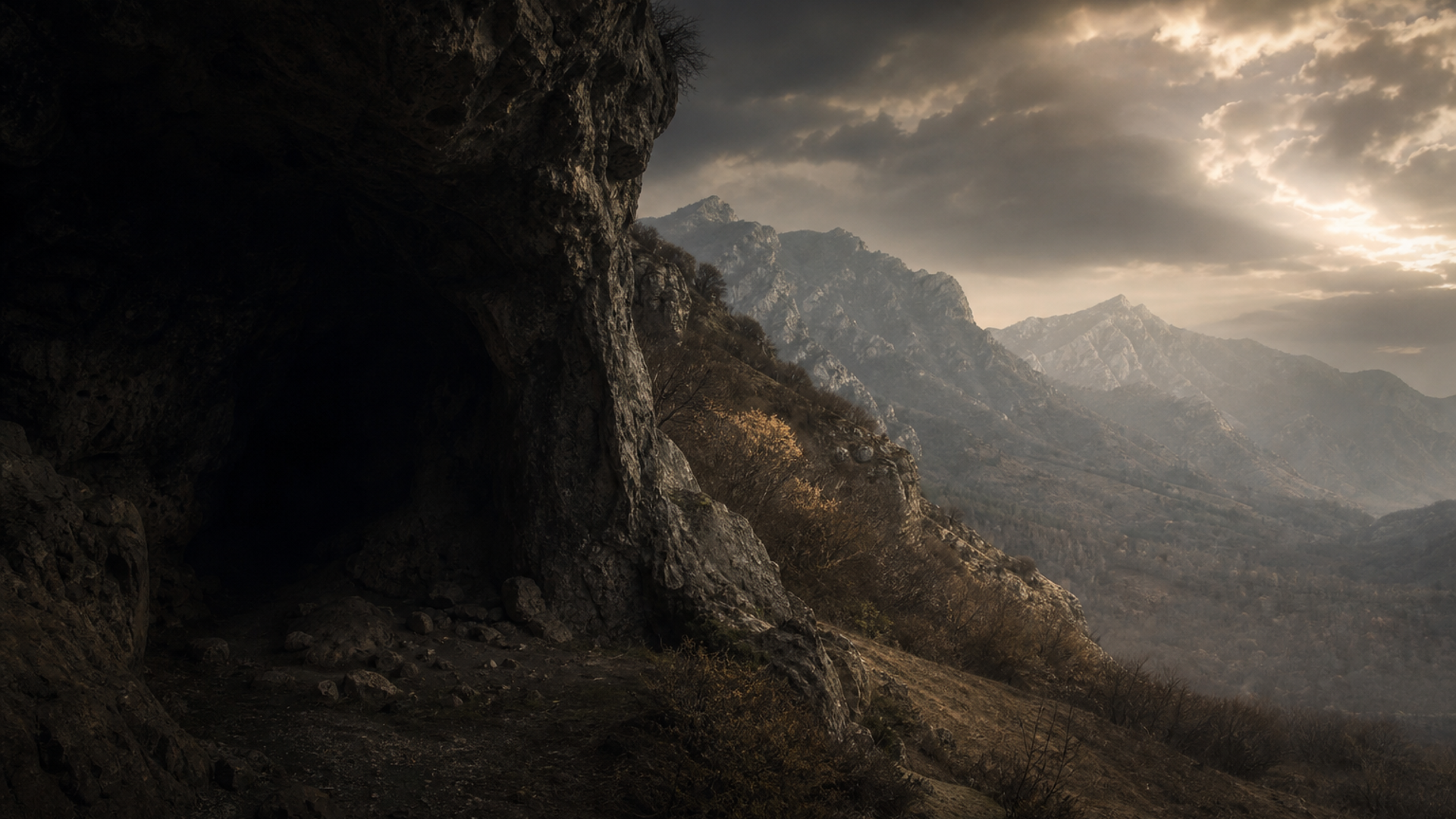
Archaeological deposits at Bacho Kiro capture fragments of a mobile hunter‑gatherer lifeway. Lithic evidence and use‑wear on tools indicate activities centered on hunting, hide processing, and woodworking — a seasonal economy tuned to the rhythms of large mammals and wild plants. Faunal remains recovered from associated layers point to exploitation of deer, horse, and other open‑country species consistent with Late Pleistocene steppe and parkland environments.
Personal ornaments and worked bone fragments, when present in nearby initial Upper Paleolithic contexts, hint at social signaling and shared identities across networks of small groups. Hearth features and compact occupation lenses suggest short‑term camps where small bands processed meat, repaired tools, and exchanged materials. Mobility was fundamental: raw material sourcing studies at comparable sites show long‑distance connections, implying social exchange across hundreds of kilometers.
Nonetheless, direct evidence for social structure, ritual, or long‑term residence at Bacho Kiro is limited. The small number of human remains and disrupted deposits demand cautious reconstructions: archaeologically visible behaviors paint a picture of resilient, flexible groups moving across glacial margins.