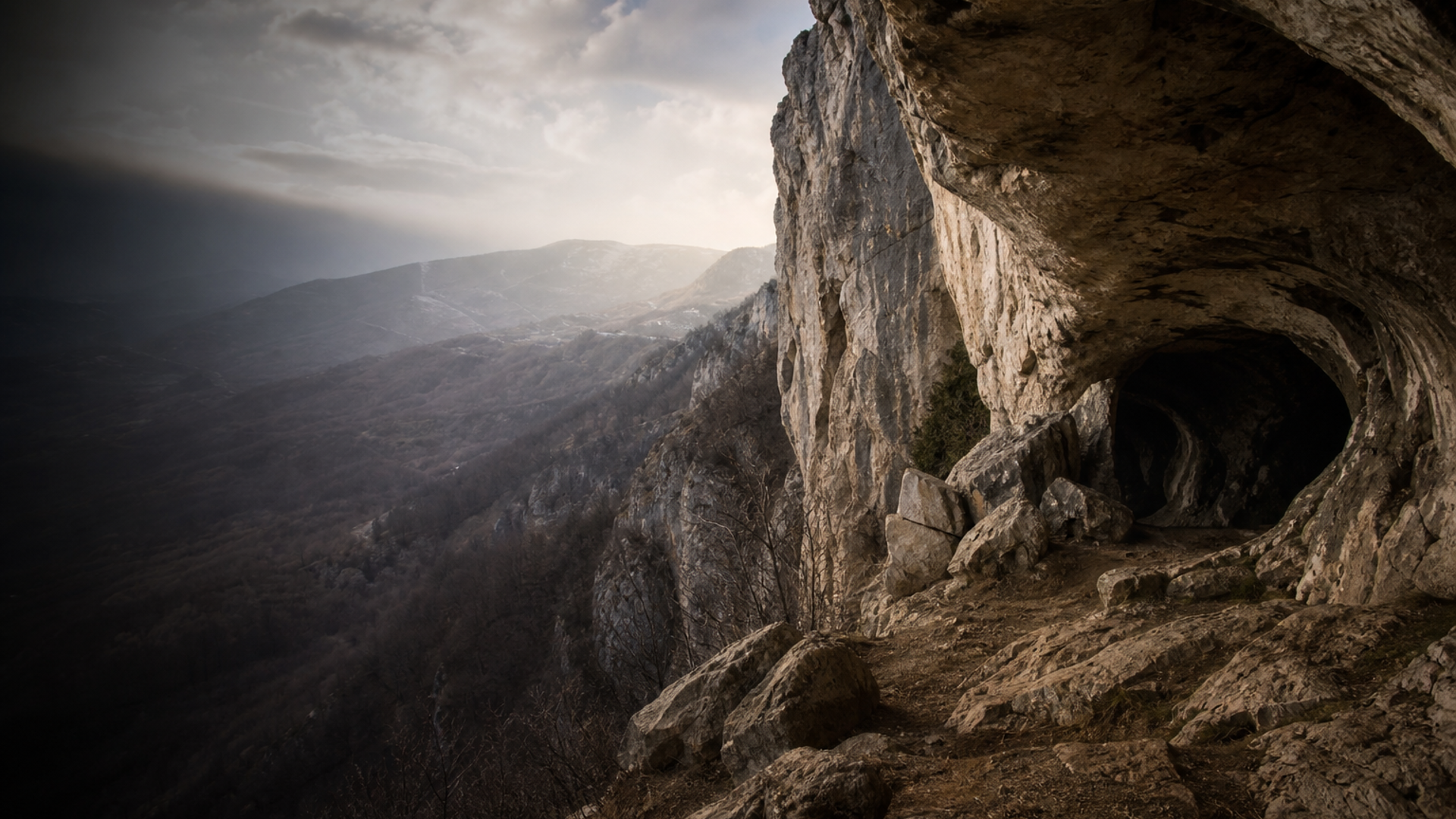
Bacho Kiro’s deposits preserve the atmosphere of episodic occupation: short-term camps where fire, tool-making, and butchery converged. Archaeological assemblages include lithic debris consistent with blade and bladelet reduction, bone fragments showing human modification, and faunal remains of medium- to large-sized mammals. Such assemblages suggest a mobile economy focused on hunting, carcass processing, and the rapid manufacture of tools for immediate needs.
Seasonality likely shaped rhythms of life—bursts of activity tied to migration corridors and resource availability. The presence of ochre, perforated objects, or personal adornment — when present — hints at symbolic behavior and social signaling across groups. Spatial patterns in the cave suggest repeated, ephemeral use rather than long-term sedentism. Cold, variable Late Pleistocene climates would have made clothing, fire, and social cooperation essential.
Archaeological data indicates a community adept at moving through complex landscapes, exploiting diverse resources, and engaging in cultural practices that foreshadow later Upper Paleolithic lifeways. Yet many aspects of social organization, group size, and mobility remain unresolved because preservation and sample size are limited.