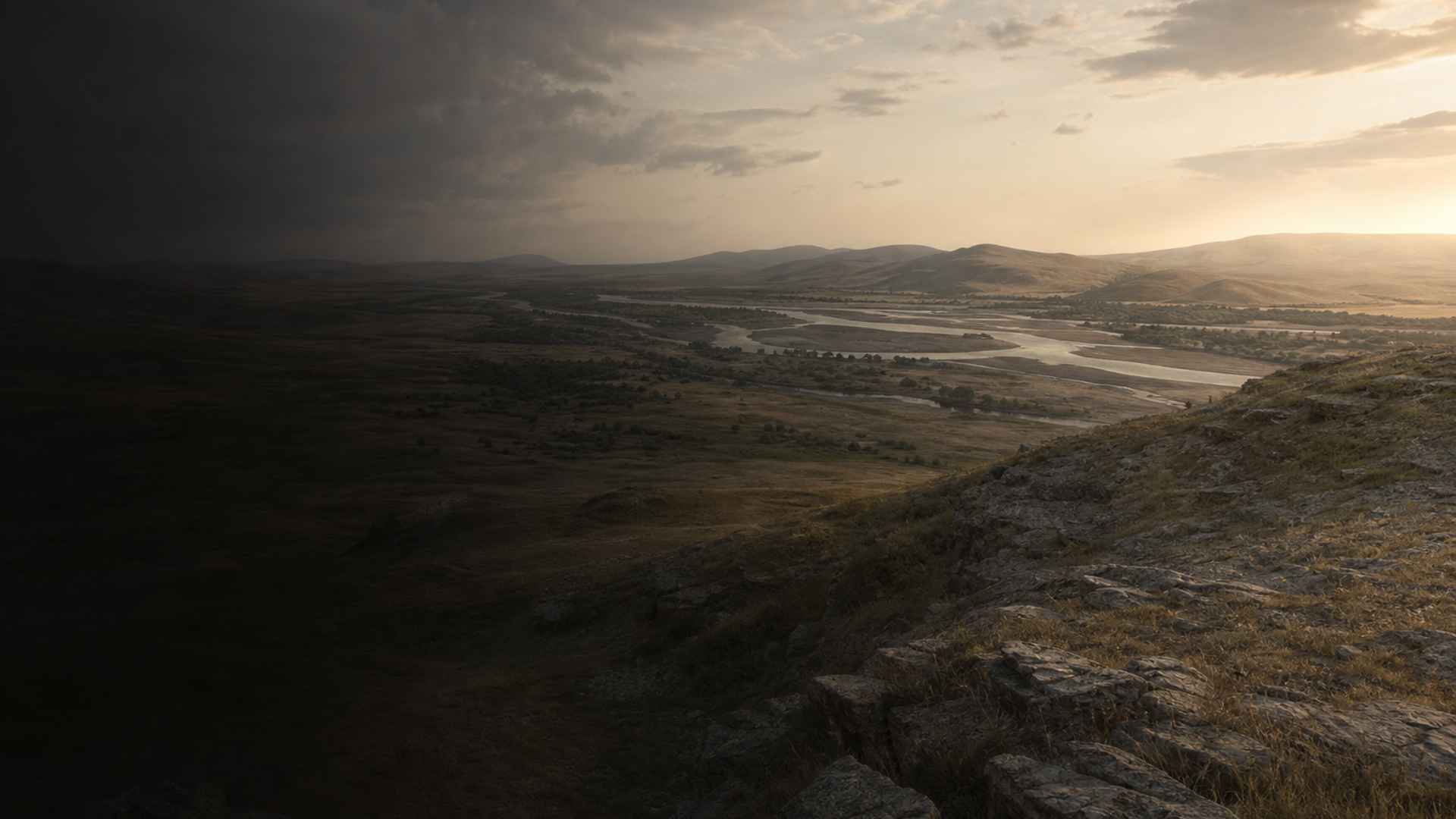
Archaeological remains evoke a lived landscape of farmers, herders and craft specialists. Botanical and faunal assemblages from contemporaneous Baden contexts in Hungary indicate mixed farming of cereals and pulses, with domestic cattle, sheep/goat and pig as primary animals. Proximity to lakes and wetlands — especially around the Balaton area — supplemented diets with fish and gathered resources.
Craftspeople shaped clay into distinctive Baden pottery, and early copper use in the region signals the beginnings of more complex metallurgical knowledge. Exchange of raw materials and stylistic motifs suggests networks reaching beyond immediate valleys. Burial evidence is notably variable: inhumations, collective graves, and mortuary deposits with personal objects point to differentiated social identities and potentially varied ritual roles.
Household archaeology paints an image of interlocking domestic units: places of food processing, craft production and social interaction. Yet many details remain ephemeral in the record. Limited site preservation and the patchy nature of excavation mean that reconstructions of settlement layout, household size or social hierarchy must be treated with caution. The combined lens of artifacts and DNA, however, helps map kinship, mobility and community boundaries in ways that material remains alone cannot.