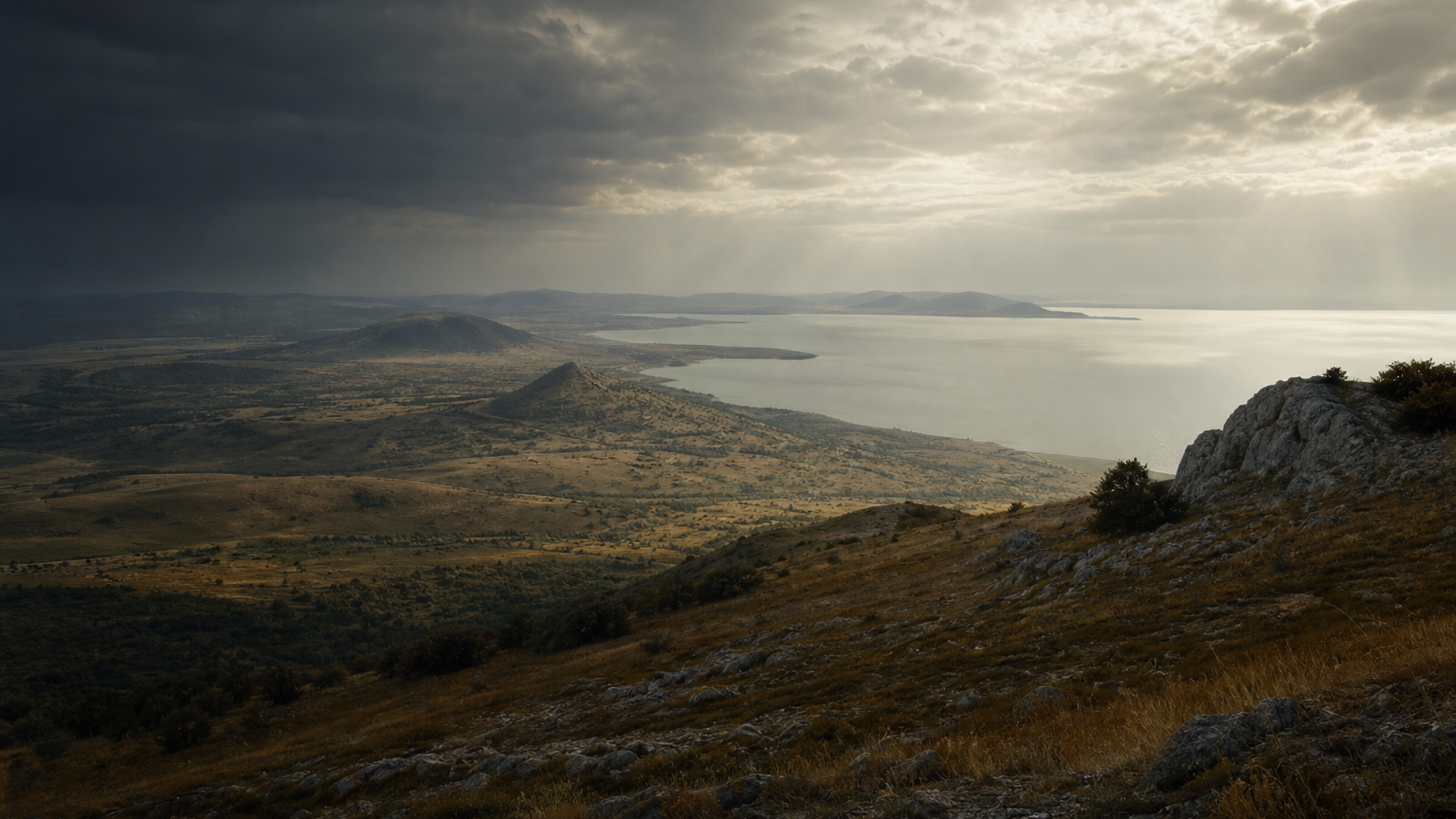
The Balaton–Lasinja world was shaped by water and field: settlements tended to cluster near lakes, rivers and fertile loess soils, fostering mixed economies of cereal cultivation, animal husbandry and freshwater resources. Archaeological assemblages from Alsónyék and Keszthely‑Fenékpuszta include pottery with distinct decorative motifs, stone and bone tools, and domestic features such as hearths and post‑holes that mark small hamlets rather than large nucleated towns.
Burials, often simple inhumations, provide glimpses of social practice. Grave goods are generally modest, suggesting societies organized around household units with subtle social differentiation rather than dramatic elite display. Craft specialization likely operated at a local scale: potting, bone working and textile production leave traces in toolkits and wear patterns. The interplay of ritual and daily routine — offerings at lakeside, the seasonal rhythm of planting and harvest, the shaping of pottery forms — can be read in the archaeological record as a cinematic sequence of everyday gestures, though many details remain uncertain because preservation and excavation coverage vary by site.
Taken together, the material record paints a picture of resilient, place‑rooted communities adapting long‑established farming lifeways to changing social and environmental conditions along the Balaton shores.