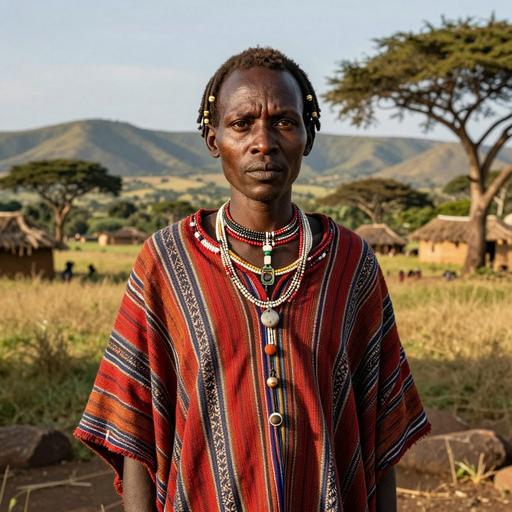
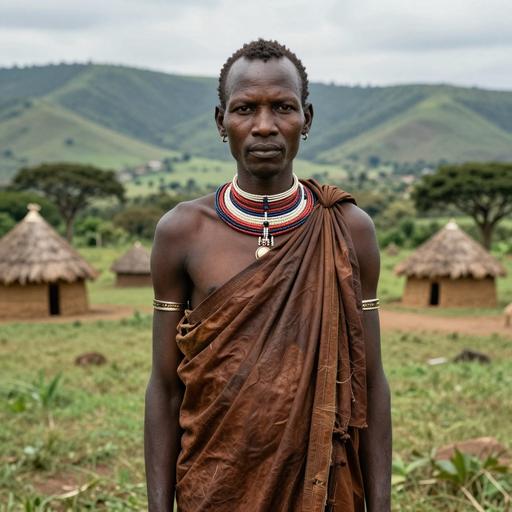
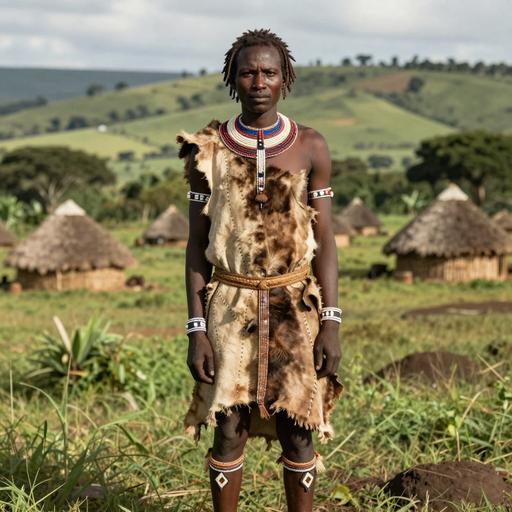
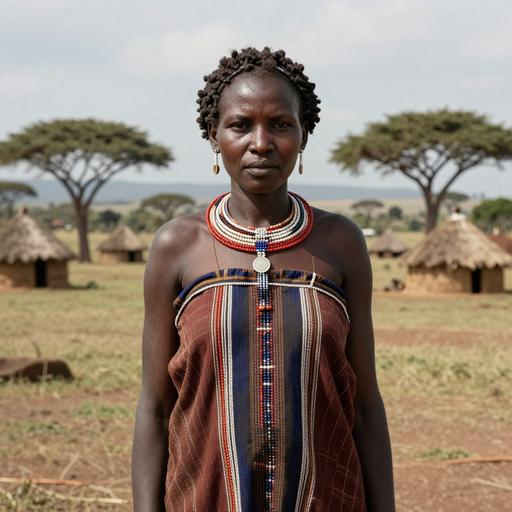
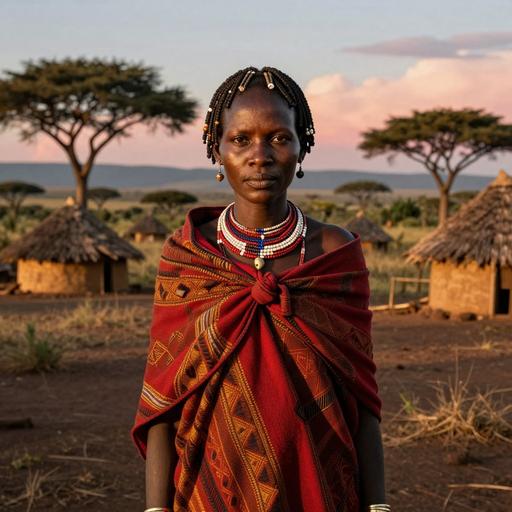
Archaeological assemblages evoke daily rhythms: hearths, grinding stones, pottery sherds, iron slag and animal bone speak of farmed fields, pastoral herds, and fishing on lakeshores. At coastal sites like Kilifi and Panga ya Saidi, shell middens and coastal resources complement farming. Inland, in places such as the Karatu District and the northeastern shore of Lake Eyasi, communities exploited mixed agro‑pastoral economies adapted to highland and rift environments.
Settlement patterns range from scattered homesteads to nucleated Iron Age villages. Social life would have been organized around kinship, cattle, and crop cycles; iron tools and pottery shaped daily work. Burials from sites such as Champagne Castle and Ballito Bay provide glimpses of mortuary practice and health, though preservation and excavation intensity vary widely. When skeletal remains are preserved, isotopic analyses sometimes indicate mixed diets—C3 and C4 plants, fish, and animal protein—consistent with mosaic economies.
Archaeology alone paints a rich but incomplete picture: material culture signals broad economic shifts, while ancient DNA adds personal stories of ancestry and admixture. Together they reveal communities negotiating new technologies and landscapes across centuries.