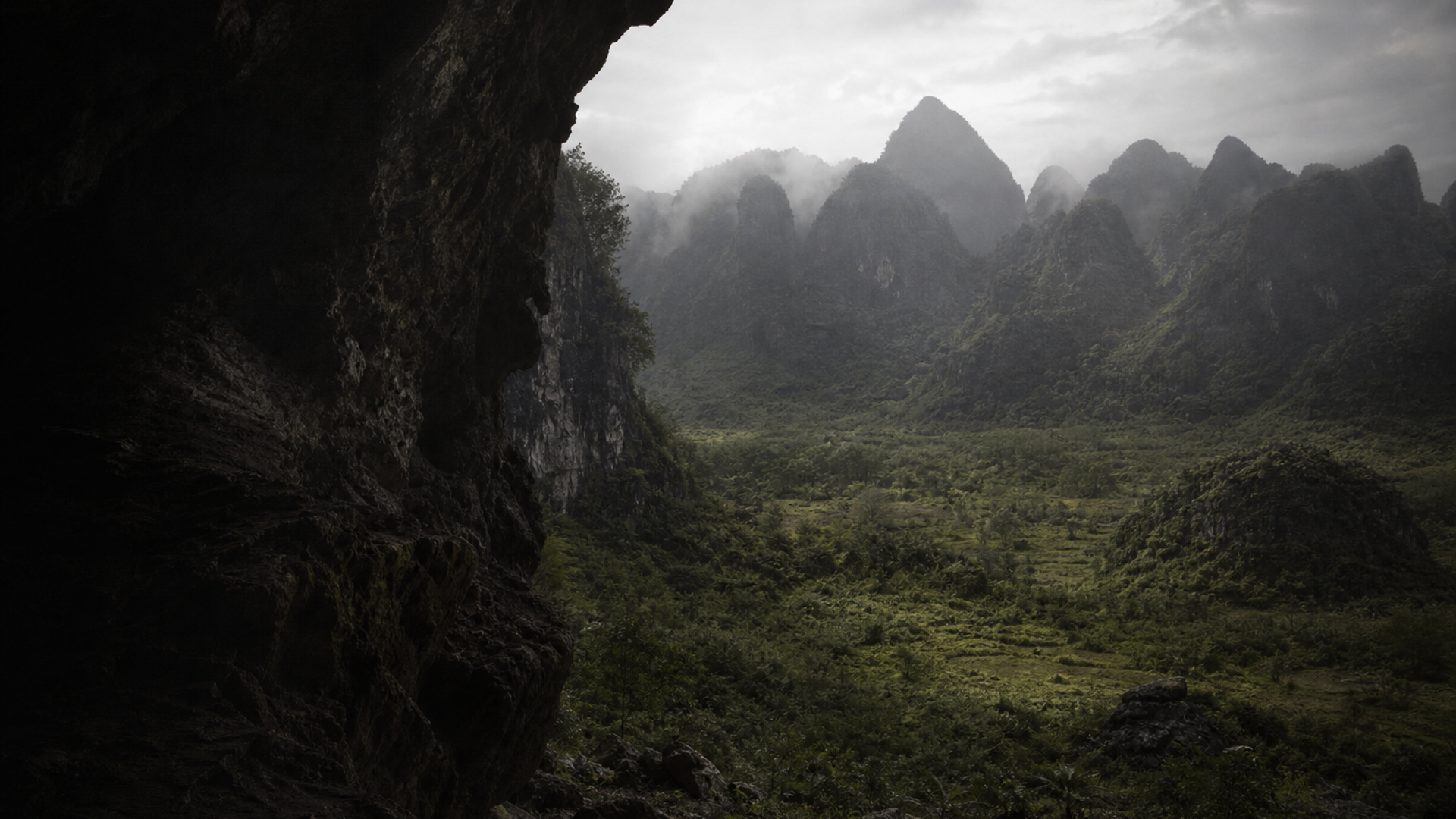
In the flickering light of a karst cave, people of the Baojianshan horizon likely organized small, kin-based groups. Archaeological patterns from comparable southern Chinese sites indicate mixed subsistence: hunting, fishing, gathering of wild tubers and fruits, and early forms of plant management in wetlands. Shells, animal bones and stone tools commonly found in the region suggest a diet tightly bound to riverine and forest resources; at Baojianshan the cave setting implies both long-term use and episodic sheltering.
Social life probably centered on household clusters with flexible seasonal movement, and material culture would have reflected local raw materials — worked stone, perishable plant and fiber technologies that rarely survive, and hearth-associated debris. Mortuary practices preserved in cave contexts can provide snapshots of social identity, but at Baojianshan the small number of human remains recovered limits interpretations about social hierarchy, ritual complexity, or population size. Archaeological data therefore gestures toward a dynamic, adaptable Neolithic lifeway rooted in southern China’s wetlands and karst margins.