Landscapes and livelihoods
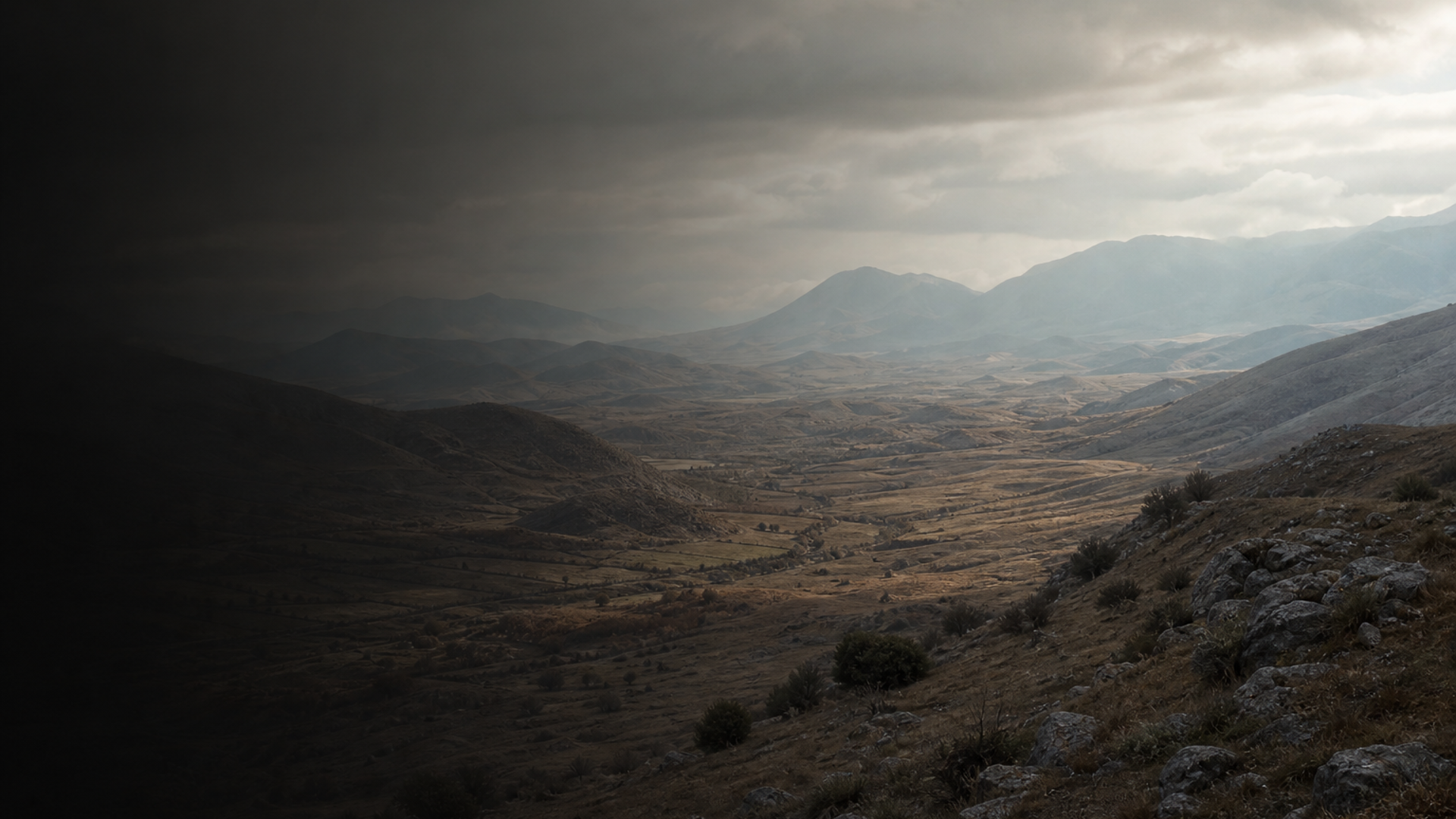
Archaeological indicators from the region paint a cinematic yet pragmatic portrait: stone-built terraces, small domestic structures, and field systems that sustained mixed farming and pastoralism. Daily life in the Korça Basin during the Early Modern period likely revolved around seasonal agriculture, sheep and goat herding, local craft production, and occasional market exchange with regional centers.
Material culture and ritual
Archaeological data indicates modest grave goods and simple inhumations at Barç, reflective of rural communities where ritual emphasized continuity and household ties rather than elite display. Pottery fragments, metal tools, and personal items recovered in nearby sites across the basin point to a material culture rooted in regional traditions while absorbing broader Ottoman-era material forms.
Social texture
Social organization probably combined kin-based village households with ties to regional networks of trade and seasonal labor. Small communities like Barç could have acted as both conservators of older local customs and receivers of new influences carried along trade routes and administrative channels.
Limited excavation and the small number of samples constrain fine-grained reconstructions, but the archaeological record consistently emphasizes continuity, adaptation, and local resilience.