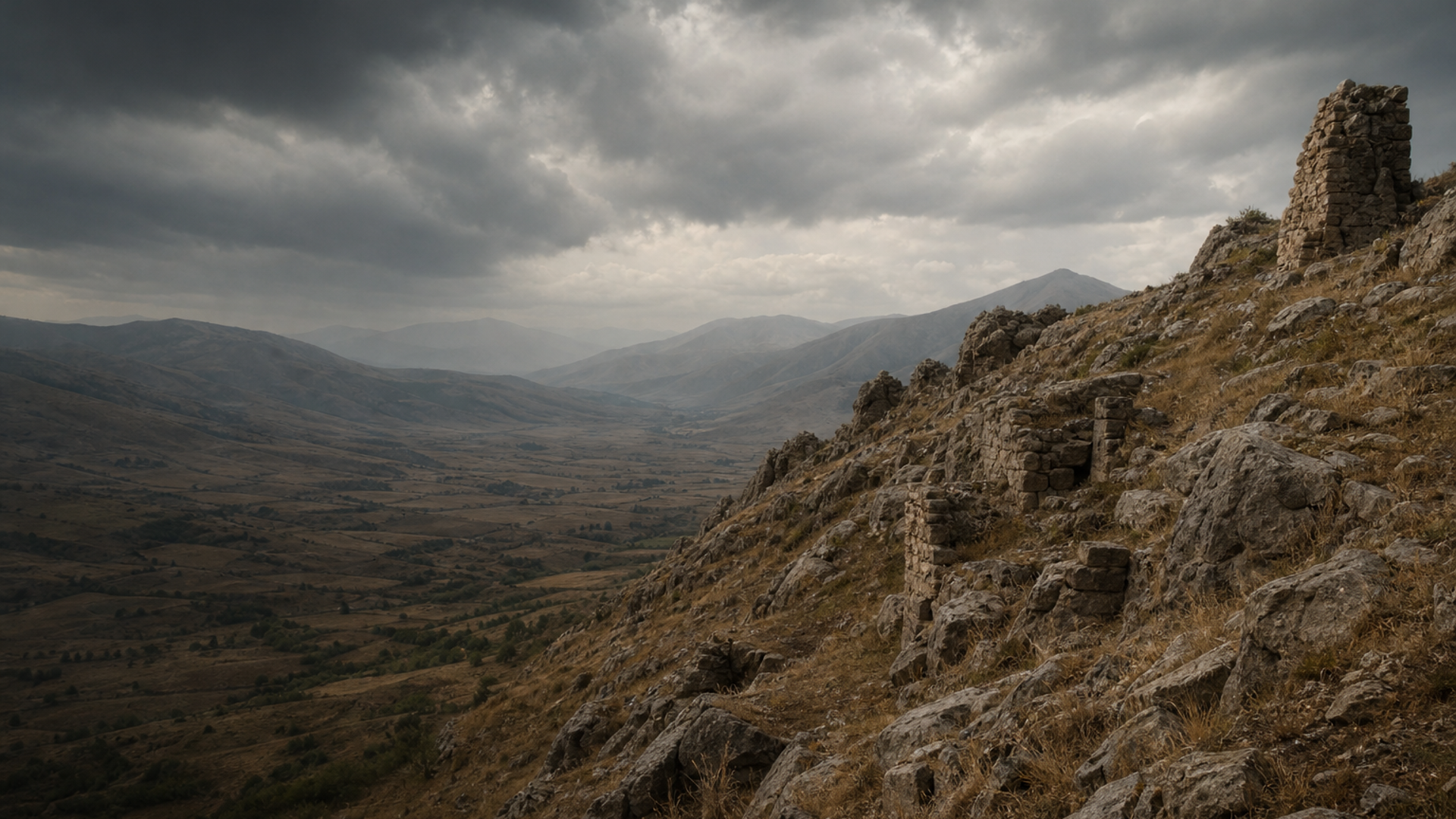
Archaeological inference—tempered by a small sample—paints a scene of agrarian rhythms and regional connectivity. The Korça Basin's fertile plains supported mixed farming and pastoralism; settlement patterns suggest households linked to seasonal grazing and localized craft production. Trade and cultural exchange along valley routes would have brought goods, ideas, and people into routine contact with Barç residents.
Burial placement and grave goods (where present regionally) often reflect local identity markers rather than wholesale population replacement. Such markers, combined with osteological indicators, can reveal diet, workload, and health; although we lack extensive isotopic or palaeopathological datasets from these two Barç individuals, archaeological parallels in southeastern Albania imply diets based on cereals, legumes, domestic animals, and some coastal or riverine resources accessed through trade.
Sociopolitical transformations of the 15th–17th centuries changed administrative and mobility patterns, but everyday life likely retained long‑standing rhythms. The Barç remains are a humanizing fragment of that lived world—intimate, partial, and evocative.