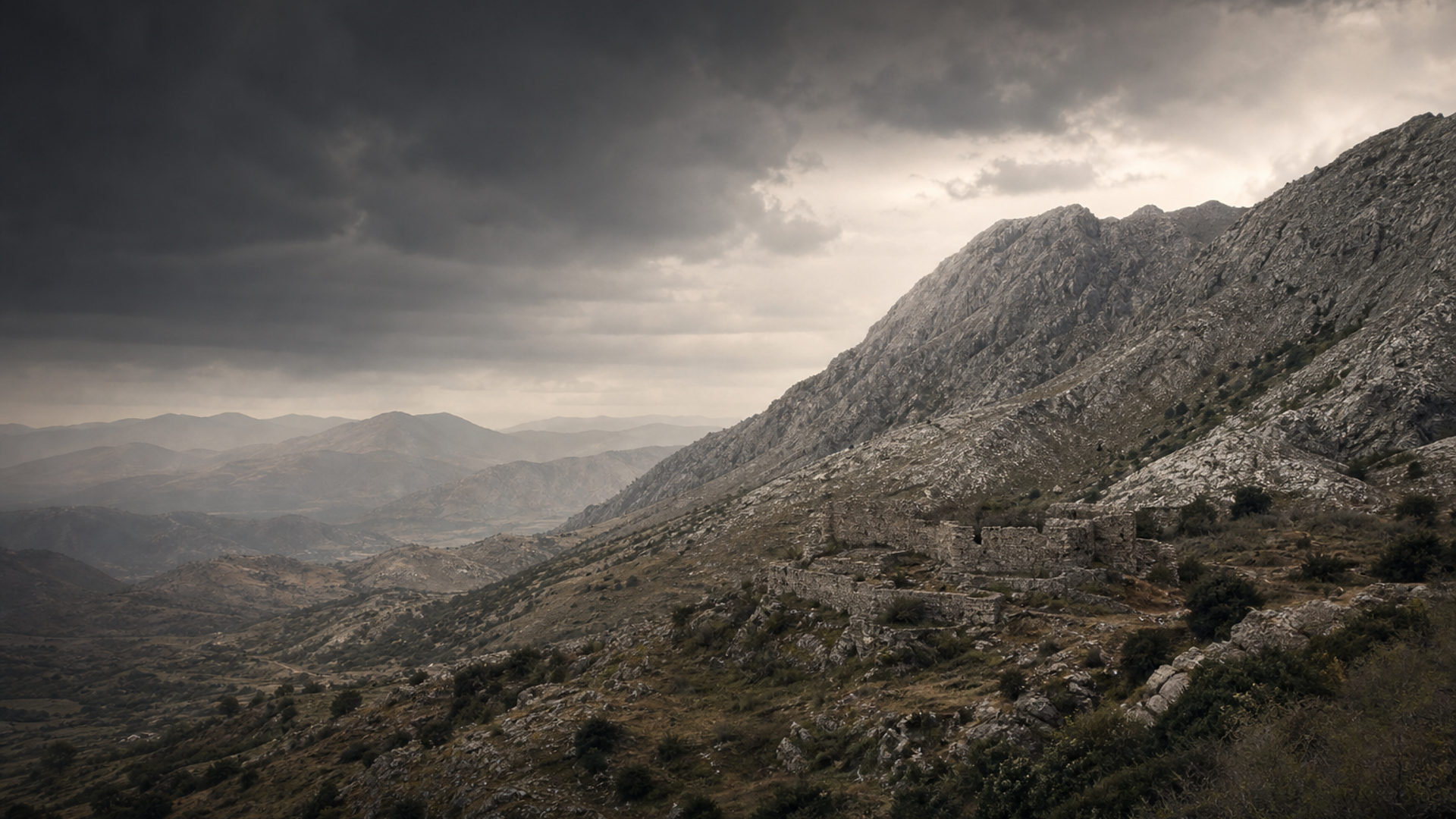
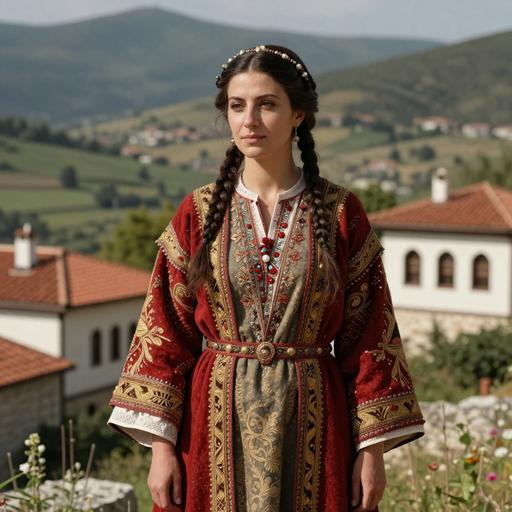
Archaeological traces from the Korça Basin hint at a world of terraces, orchards, and village nuclei where communities balanced subsistence farming, pastoralism, and long-distance connections. Barç sat within a mosaic of upland and lowland settlements; material culture in the broader region shows continuity of ceramic traditions alongside imported goods that reveal engagement with regional markets.
Burial evidence in southeastern Albania often reflects localized ritual choices—grave orientation, simple interments, and occasional personal items—suggesting households organized around kin networks. Osteological data, when available, can show patterns of workload, diet, and disease consistent with agrarian lifeways. Isotope studies from comparable Balkan sites indicate mixed diets with cereals and animal protein, while mobility signals sometimes point to seasonal movement or marriage-related relocation.
When combined with DNA, these lines of evidence create a cinematic reconstruction: mothers and fathers rooted in valley farms, young adults moving along marriage or economic routes, and occasional newcomers bringing different traditions. Yet for Barç, the archaeological record tied directly to the two genetic samples is sparse; broader contextual excavation is needed to move from evocative portrait to confident narrative.