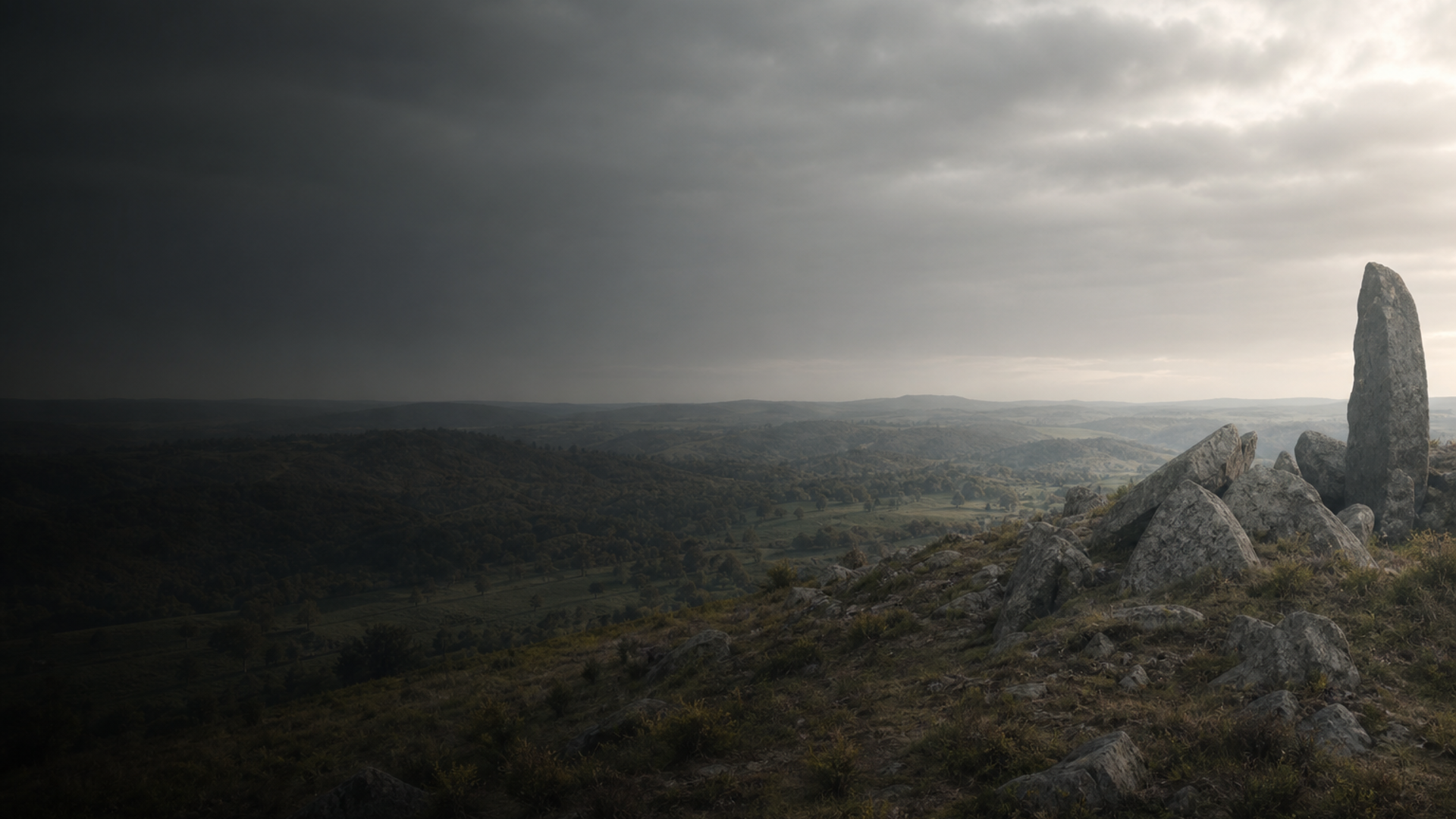
Life in the Bas-Rhin Iron Age would have been tactile and seasonal: ploughed fields, oxen-drawn carts, wooden palisades, and the crackle of hearths. Archaeobotanical and zooarchaeological work in the wider Grand Est suggests mixed farming—cereals, pulses, and domesticated animals—supplemented by river fishing and wooded pastures. Villages and farmsteads clustered on fertile terraces close to water, while small cemeteries record variations in burial rite that hint at differentiation by age, sex, or status.
Craft specialization appears in metalworking debris and slag scatters found near settlements in the region, indicating local smithing and exchange of iron and bronze objects. Decorative motifs with La Tène affinities suggest participation in broader stylistic networks—objects moved not only by trade but also through social ties and mobility. Trade along rivers would have linked Bas-Rhin communities to markets and ideas from the Rhine corridor and beyond.
Gender roles and social hierarchies can only be sketched from material remains: certain graves contain richer grave goods, others simple interments. Paleodemographic data remain scarce, and the three genetic samples are too few to map household or kinship structures reliably, but the combined archaeological record evokes a dynamic, interconnected countryside where local traditions met transregional exchange.