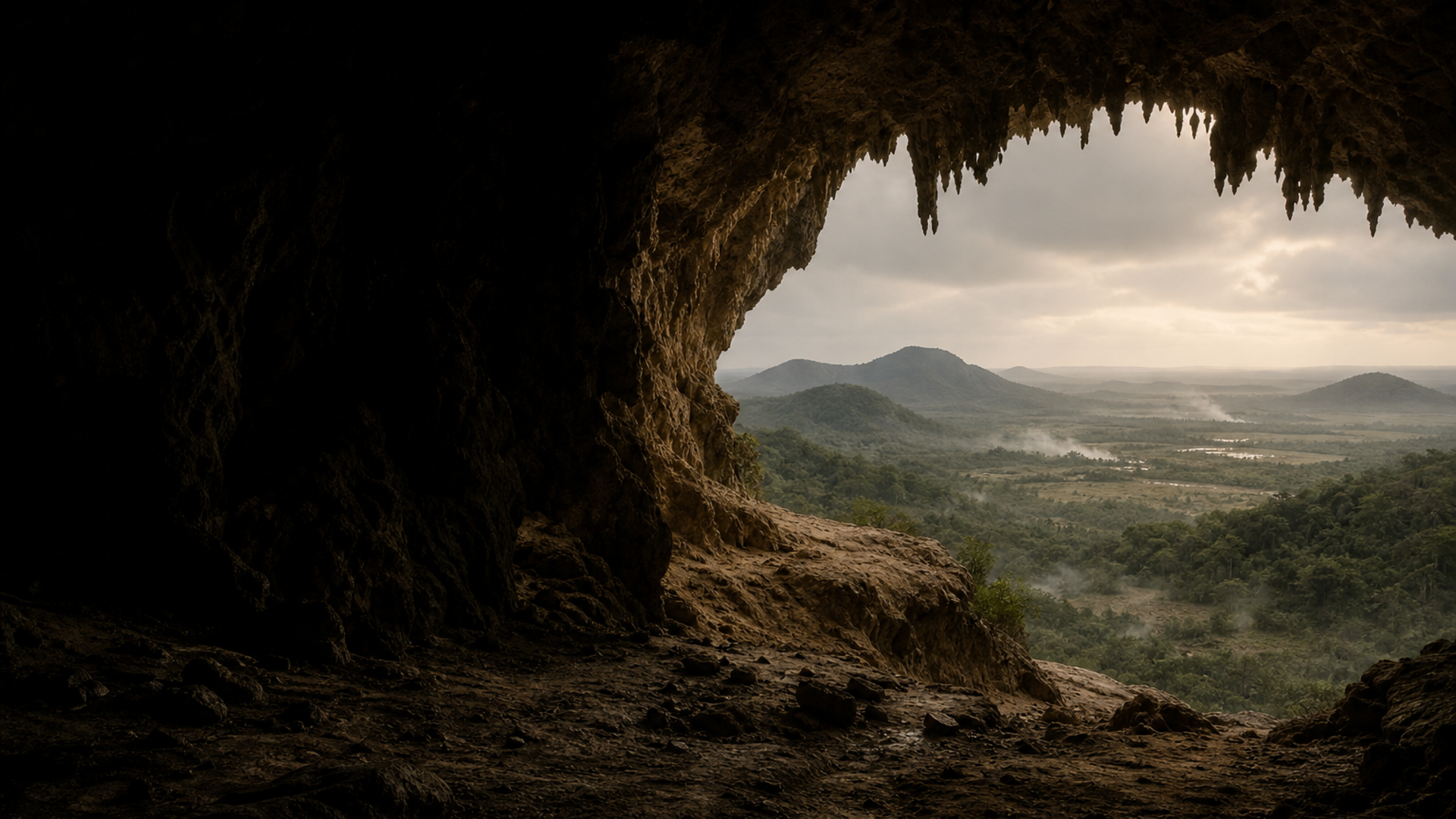
The daily world of Belize_11700BP would have been tactile and immediate: hands on stone, eyes on water, ears tuned to forest sounds. While direct material associations for this specific individual are limited, regional archaeological data indicates small groups of foragers exploited a mix of aquatic and terrestrial resources, moving seasonally to follow fish runs, shellfish beds, and the fruiting cycles of early-Holocene flora.
Shelters ranged from open camps to protective caves like Mayahak Cab Pek, where cave environments could serve ritual and practical roles—places for refuge, processing, and burial. Toolkits were likely composed of flaked stone implements for cutting and scraping, with organic technologies (wood, fiber) that rarely survive in the humid tropics. Social organization was probably kin-based and flexible, with fluid networks for sharing information and raw materials over surprisingly long distances. Archaeological signatures suggest resilient adaptation rather than sedentary agriculture: this was a time of intimate knowledge of microenvironments, where survival depended on mobility, ecological knowledge, and social cooperation.