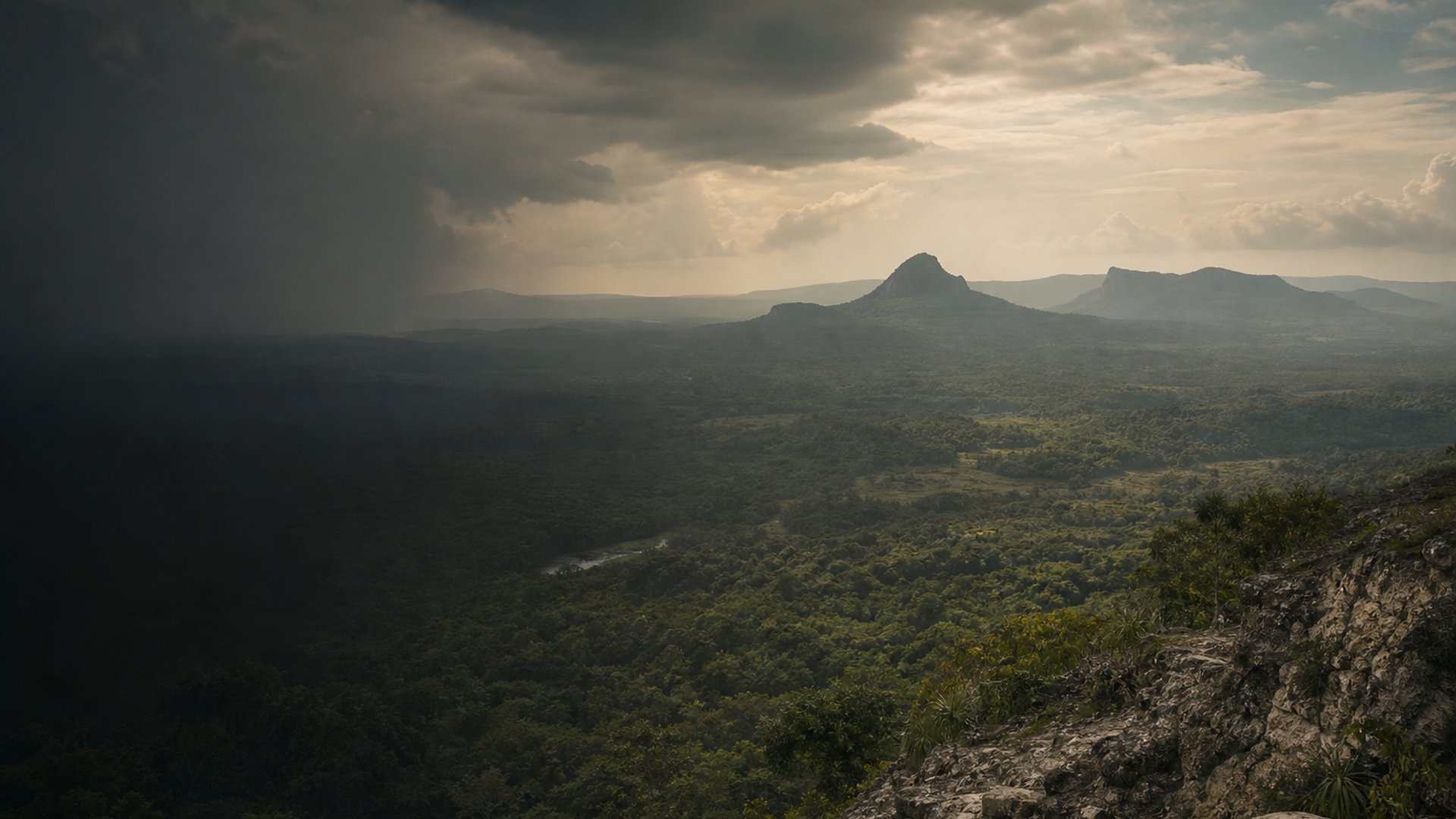
Picture small bands and emerging hamlets moving along rivers, lagoons and forest margins—netting fish at dawn, tending small plantings, and knapping stone into tools for cutting and processing. While the direct archaeological record for these particular individuals is sparse, ethnographic analogues and regional archaeology suggest diets mixed between wild fauna, aquatic resources and early cultigens like squash or maize in their nascent forms.
Material traces in Belize from slightly later periods show increased pottery use and more sedentary settlements; the Belize_4600BP individuals likely lived at the cusp of these transformations. Socially, communities of this era were probably organized around kin networks with fluid memberships, seasonal aggregation, and ritual practices tied to landscape features—caves, rivers, and coastal lagoons that carried spiritual as well as economic value.
Burial treatment, body position, and grave goods (when present at site contexts) can reveal status and belief, but for these five samples the published context is limited. Therefore, reconstructions of hierarchy or long-distance exchange remain tentative. What remains powerful is the human scale: these skeletons were people embedded in an environment that both provided and demanded knowledge, mobility, and cooperation.