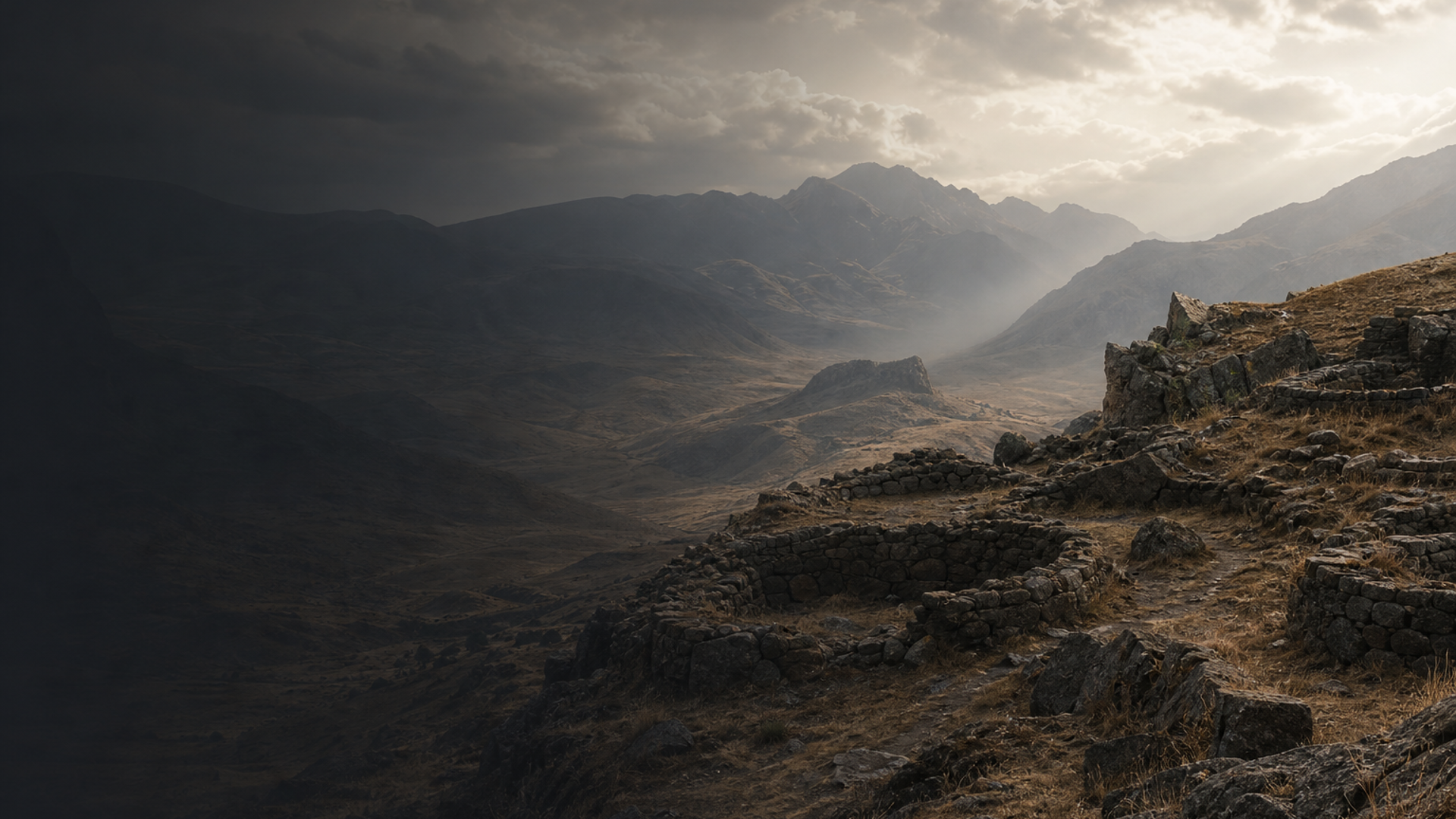
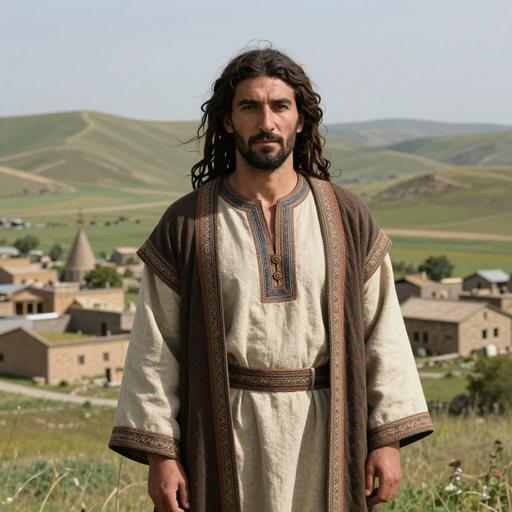
Archaeological traces from the region around Beniamin evoke a rugged, endemic lifeway adapted to the Armenian highlands. Domestic architecture of the period often includes stone foundations and storage pits; animal husbandry (sheep, goats, cattle) dominated subsistence alongside dry farming in favorable valleys. Metalwork — increasingly iron alongside bronze — appears in tools and adornment, reflecting technological transitions.
Burial practices across Early Iron Age Armenia range from simple inhumations to more elaborate graves with grave goods. The Beniamin individual came from a context that, while modest, links to regional mortuary traditions: oriented interment, offerings of pottery or metal fragments, and placement within community cemeteries. Such practices suggest social identities negotiated through craft, diet, and kin networks rather than grand urban palaces at this specific locality.
Archaeobotanical and zooarchaeological data from nearby sites indicate seasonal mobility and mixed farming strategies. Life here would have been shaped by steep seasons, communal labor, and long-distance exchange — a landscape of weathered stones, smoke, and the ringing of metalwork as new techniques spread.