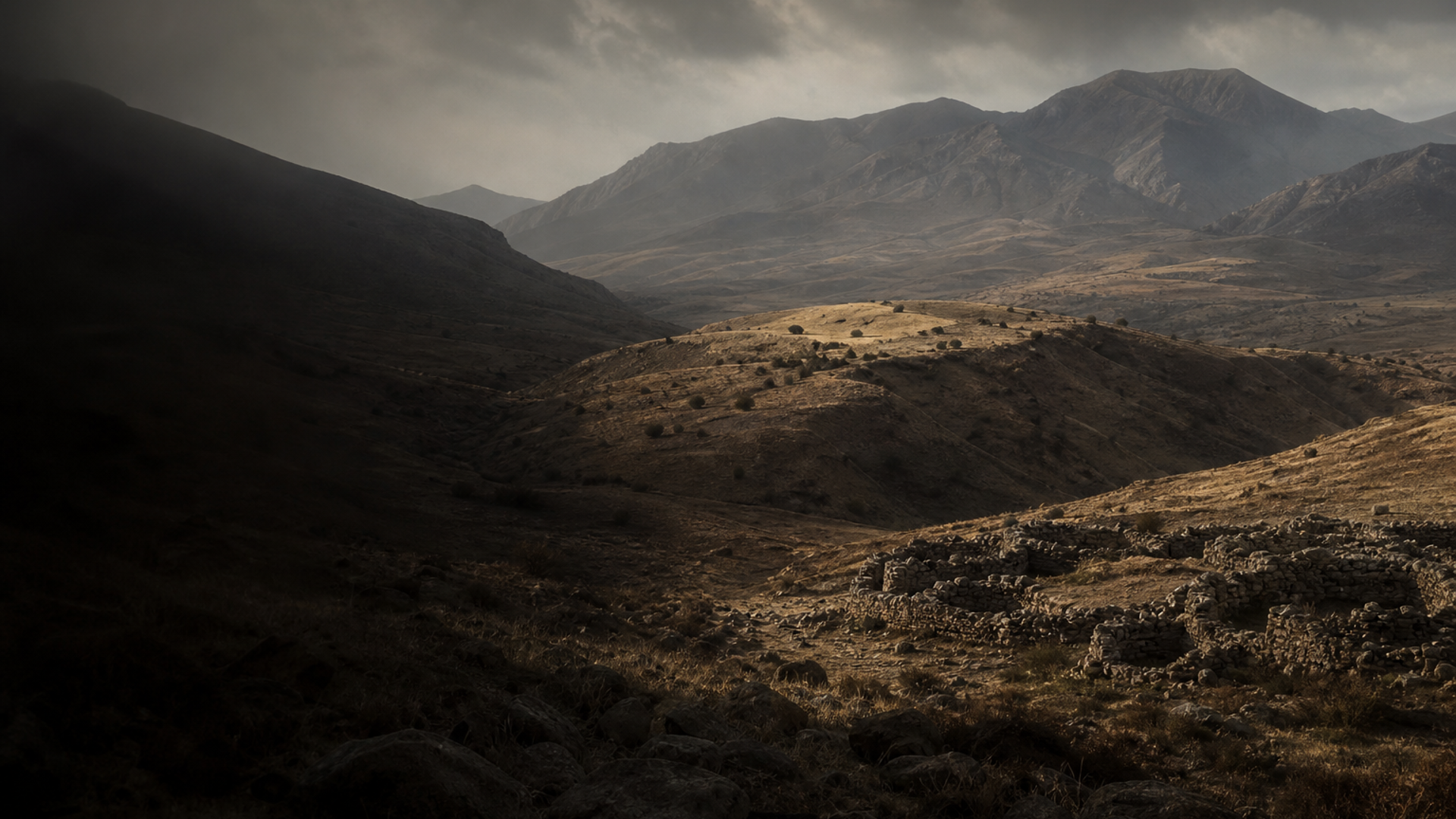
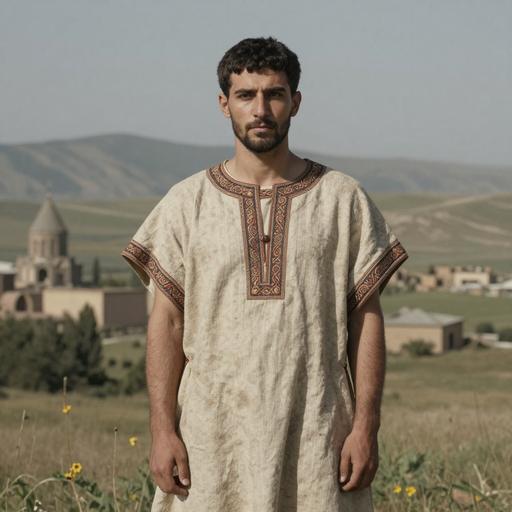
The Armenia_Beniamin dataset currently rests on a single ancient genome dated to 61–44 BCE from Beniamin, Shirak Province. Because N = 1, genetic inferences must be framed as provisional: this individual offers a snapshot, not a population portrait. Reported common Y- and mitochondrial haplogroups are not available for this profile, and the absence of multiple samples prevents meaningful estimates of genetic diversity, sex-biased admixture, or lineage frequencies.
Broader ancient DNA studies across the Armenian Highland and Caucasus region show recurrent patterns of genetic continuity interspersed with pulses of admixture from Anatolian, Caucasus, and steppe-related sources over millennia. It is therefore plausible that the Beniamin individual reflects a local mosaic of ancestries shaped by long-standing highland populations and episodic contacts during the Hellenistic era. Yet without comparative genomes from neighboring settlements and chronologically adjacent layers, any alignment with regional genetic clusters remains speculative.
Given the single-sample context, responsible interpretation emphasizes archaeological integration: genetic signals must be corroborated with material culture, burial context, and stratigraphic dating. Additional sampling from Shirak Province is essential to test hypotheses about population continuity, mobility, and social structure in Late Hellenistic Armenia.