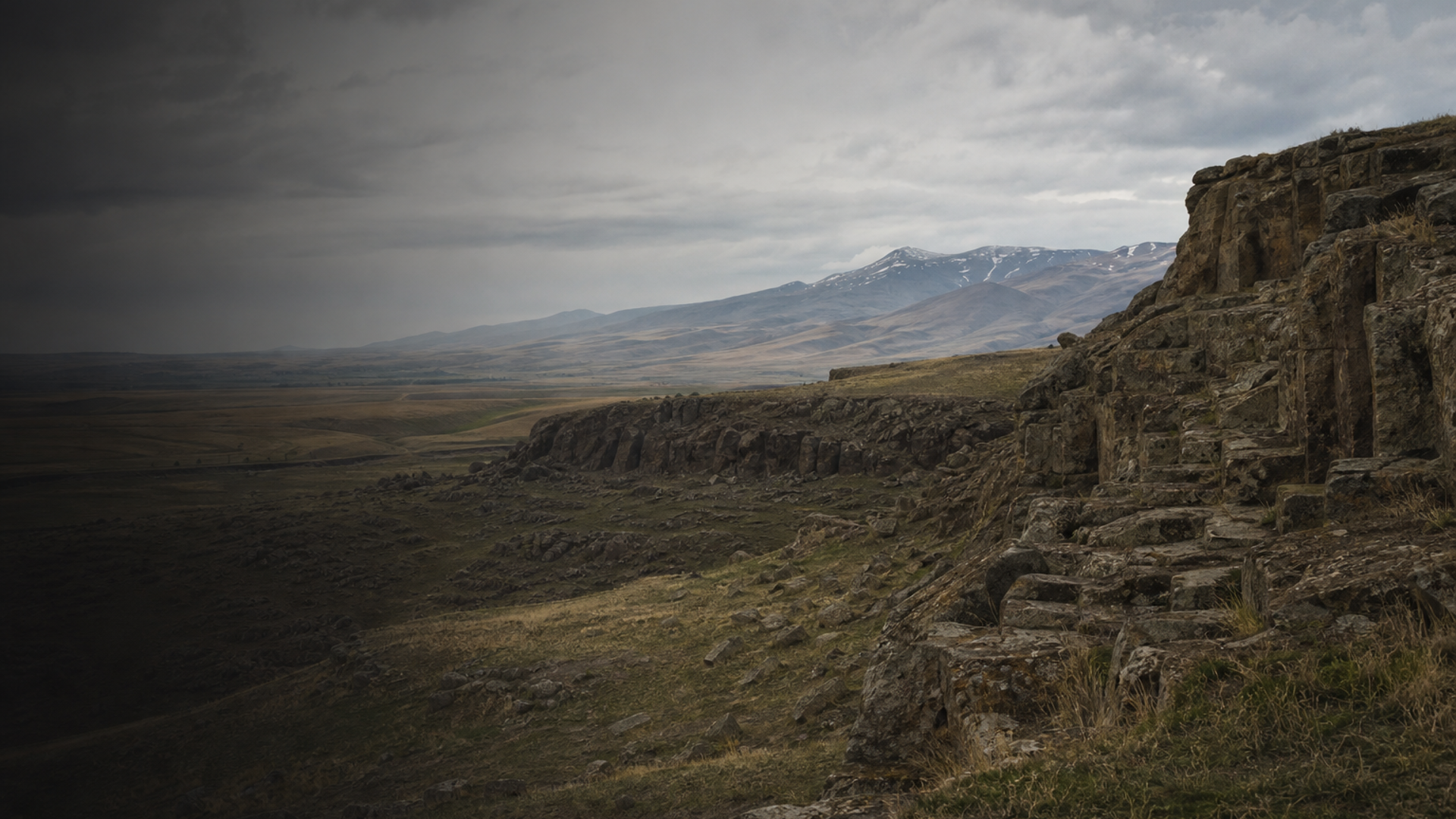
Seven ancient individuals sampled from Beniamin (dated c. 450 BCE–550 CE) provide a small but valuable window into population history at the margins of the Achaemenid world. Because the sample count is low (<10), conclusions are preliminary: genetic patterns should be treated as suggestive rather than definitive. The dataset currently lacks broadly reported Y-chromosome and mitochondrial haplogroup tallies, limiting fine-grained male-line or maternal-line inferences for the community.
Comparative frameworks from the South Caucasus show that populations in this zone commonly reflect mixtures of deep Caucasus-related ancestry with varying contributions from Near Eastern and steppe-derived sources over millennia. Archaeogenetic expectations for Beniamin therefore include potential signals of local continuity from Bronze/Iron Age Armenian populations alongside pulses of gene flow tied to imperial-era mobility. The archaeological context — Achaemenid-era trade and administration — could plausibly have facilitated genetic exchange from Anatolia, the Zagros, and other imperial provinces, but the Beniamin samples alone cannot resolve the timing or directionality of such admixture.
Future sampling and genome-wide analyses with higher coverage, combined with chronological refinement and isotope data, are needed to test hypotheses about continuity, migration, and the demographic impact of imperial networks at Beniamin.