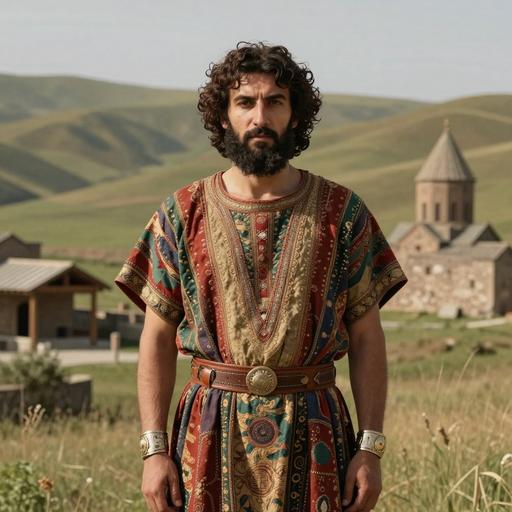
Archaeology paints a cinematic scene of daily life in Beniamin: shepherds driving flocks across high pastures, household hearths warming stone‑built rooms, and hands shaping clay into cooking pots and lamps. Agricultural terraces and storage pits in the broader Shirak landscape imply mixed farming and pastoralism as economic backbones. Small finds — spindle whorls, weaving weights, and simple iron tools — attest to domestic production and textile work, much of it likely performed within village households.
Funerary assemblages at the Beniamin cemetery reveal intimate acts of remembrance: bodies placed in earth graves with modest personal goods, sometimes beads or simple metal ornaments. These mortuary practices reflect regional Late Antique customs in Armenia, adapted to local tastes and resources. Architecturally, the settlement lacks evidence of grand public monuments; instead, the archaeological record emphasizes community-scale structures and family plots, suggesting a society organized around kin groups and local elites rather than imperial centers. Trade networks are visible in small quantities of imported ceramics and metalwork — silent evidence of long‑distance connections that complemented a life rooted in the rhythms of mountain seasons.
With only four DNA samples from the site, however, bioarchaeological interpretations of household composition, migration, or kinship remain tentative and await broader sampling.