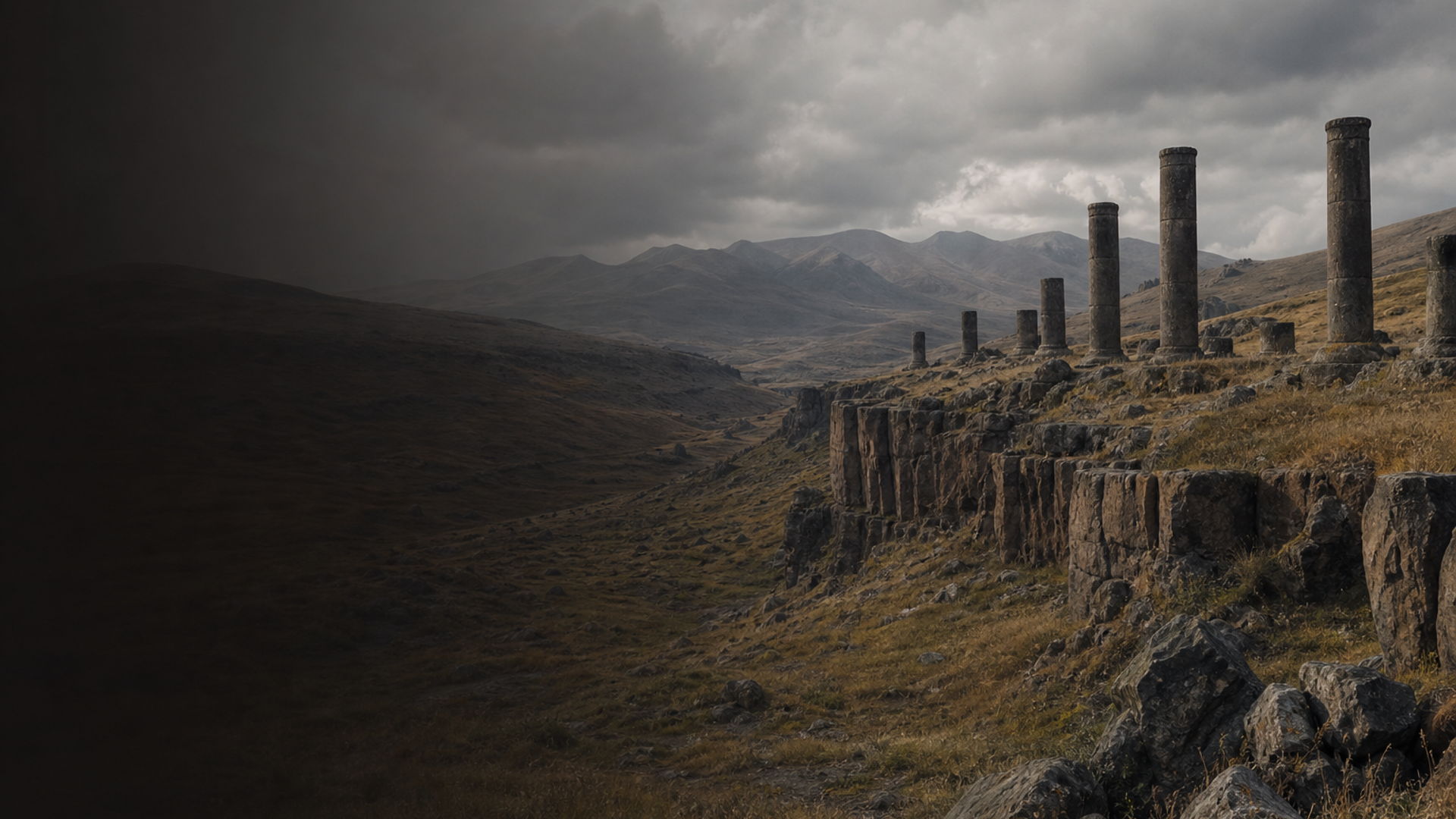
The human presence at Beniamin would have been shaped by highland rhythms—seasonal herding, cereal cultivation in sheltered hollows, and exchange along routes that threaded the Armenian uplands. Archaeological traces from comparable sites in the region indicate small agrarian communities organized around kin networks, with material culture that blends indigenous traditions and Hellenistic motifs.
Though preservation limits direct statements about tools, textiles, or diet at Beniamin specifically, osteological remains and burial treatment can hint at social identity: the way a body was interred, accompanying grave goods (if any), and skeletal markers of workload all encode daily experience. Funerary practice often acted as a public script, signaling social roles, gendered labor, and ties to ancestral land. In this cinematic landscape—wind, basalt, and barley—residents balanced subsistence strategies with long-distance contacts that brought new goods and ideas.
Because we currently rely on one sampled burial, reconstructions of community structure and socioeconomic patterns at Beniamin remain cautious. Excavation expansion and multi-disciplinary analyses (isotopes, zooarchaeology, microbotany) would richly illuminate household economies, mobility, and diet.