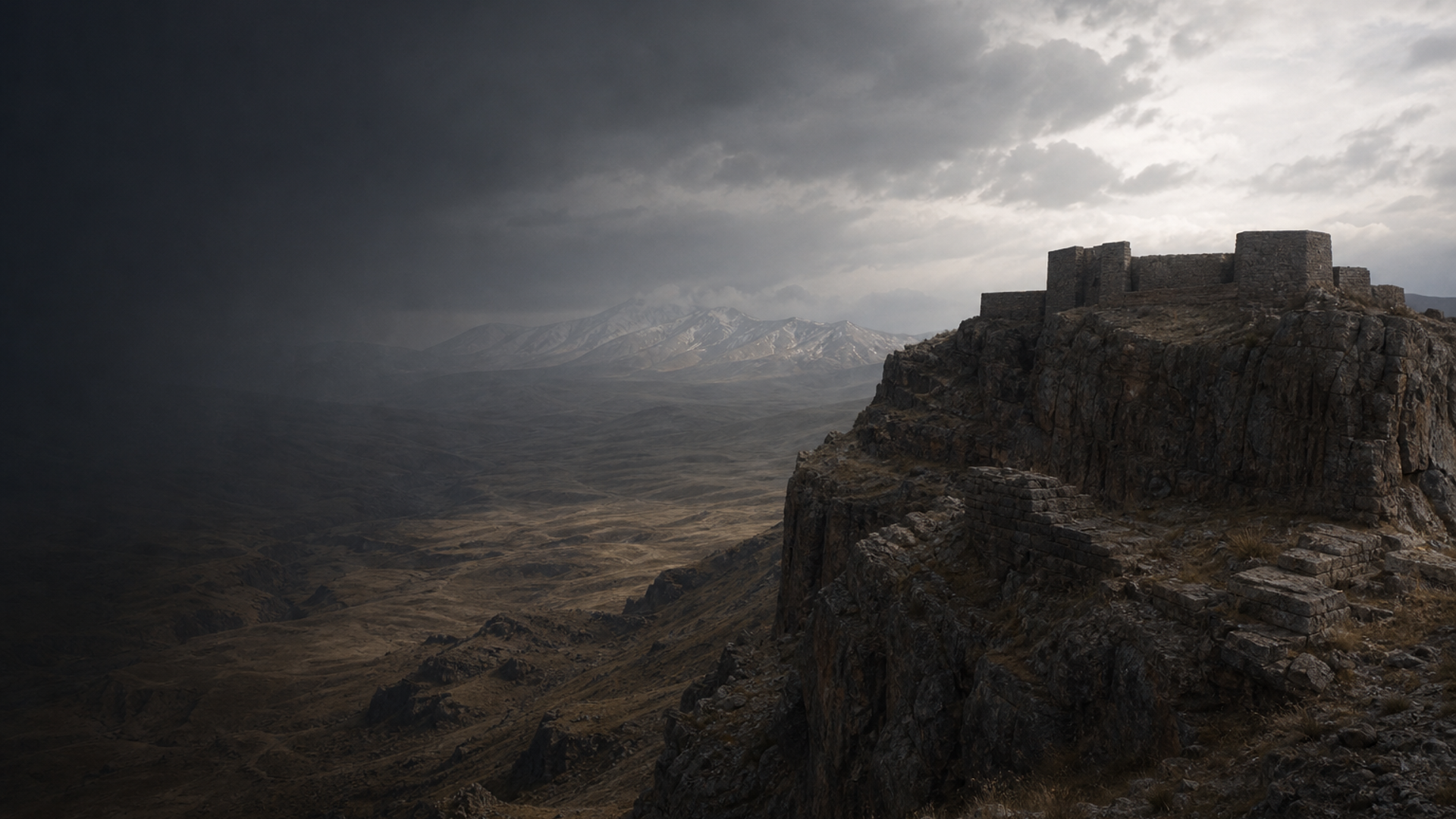
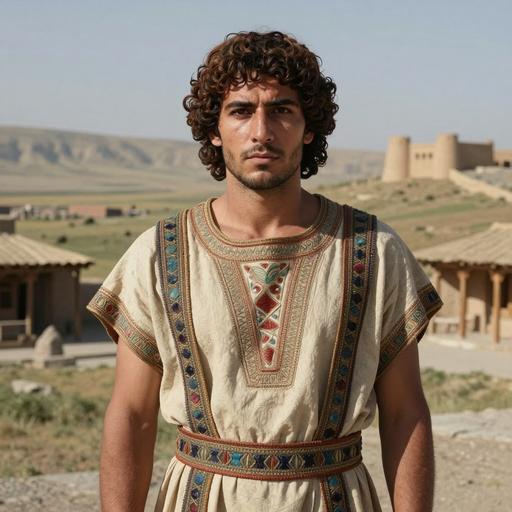
Archaeological traces of life in Urartian-era Armenia range from monumental fortresses to fragmented household assemblages. At a site like Beniamin the everyday would have been tactile and seasonal: stone-built storage, hearths for baking and metalworking, and terraces irrigated by channels fed from mountain streams. Archaeobotanical and zooarchaeological evidence across the region indicates mixed farming — barley and wheat cultivation, herding of sheep and goats — integrated with specialized crafts such as bronze smithing and textile production.
Social life was hierarchical but permeable. Royal inscriptions and administrative archives show elite control of resources and labor in core areas, while village economies retained degrees of autonomy. Graves from comparable Urartian contexts display a range of burial treatments, from simple inhumations to richer assemblages with ceramics, metal objects, and sometimes imported goods, reflecting differences in status, gendered roles, and connections to trade routes. The lone Beniamin individual arrived in the archaeological record as a single mortality event; without a cemetery series it is difficult to reconstruct household composition or social ranking with confidence. Nonetheless, combining the material culture palette with DNA offers a more textured sense of who lived, worked, and traveled across the highland corridors linking settlements to fortresses.