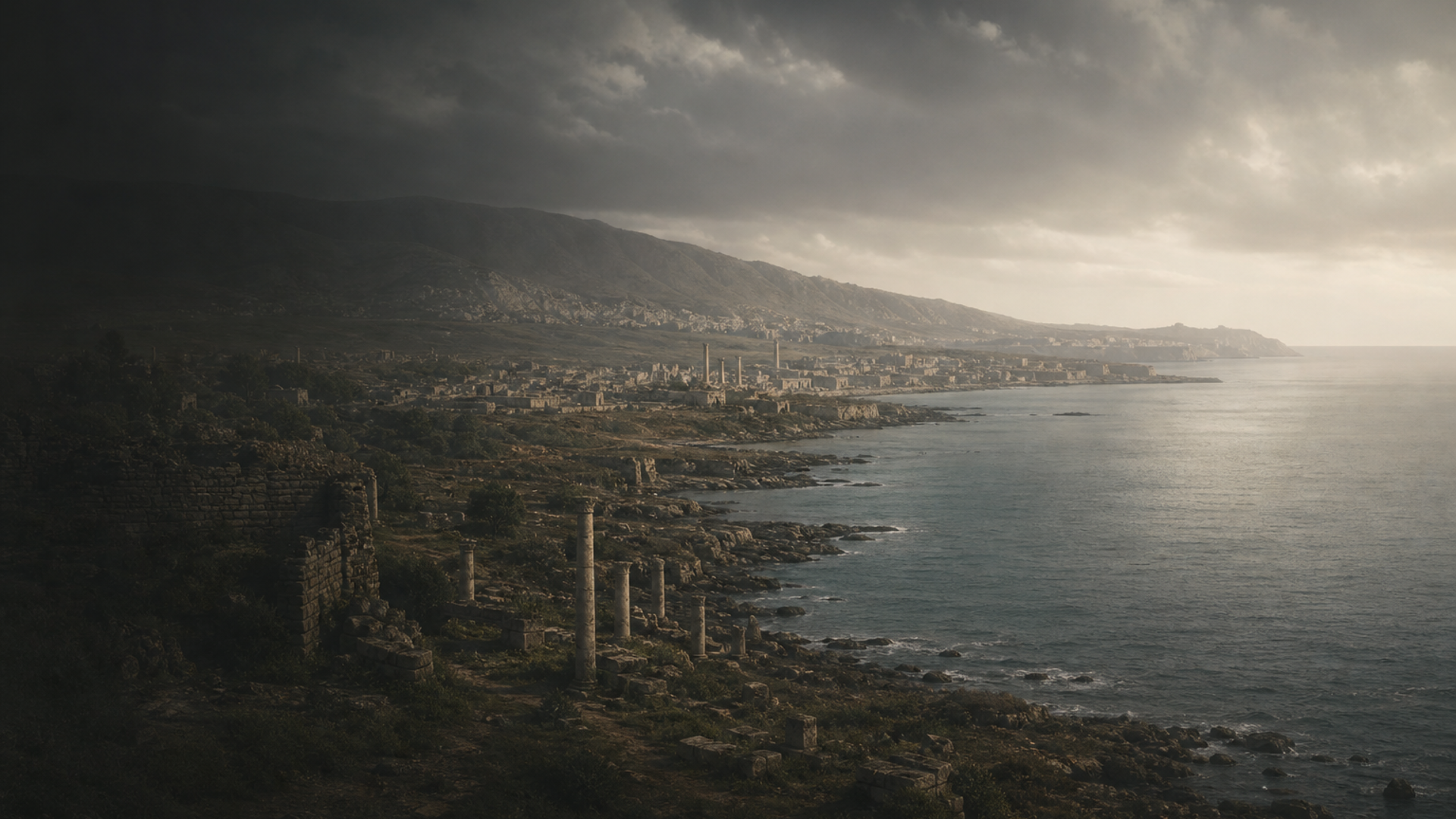
Archaeology paints Roman Beirut as a bustling port where merchants, craftsmen, soldiers, and local families intersected. Stone-paved streets, bath complexes, and workshops recovered in the city attest to an everyday life shaped by commerce, craft specialization, and civic institutions. Historical sources also highlight Berytus as an important legal and educational center in later Roman centuries, reflecting civic complexity that had roots in the earlier imperial period.
Material culture — amphorae carrying olive oil and wine, imported ceramics, and locally made goods — signals broad exchange networks across the Mediterranean. Such mobility would have brought genetic diversity: sailors, traders, and itinerant workers could introduce new lineages into urban gene pools, while local family lines maintained continuity. Burial practices in the city display variety, suggesting social differentiation; however, the current aDNA samples are too few to map genetics onto social status or specific burial customs. Integrating osteological evidence, isotopic mobility studies, and broader aDNA sampling will better reveal who lived, moved, and worked in Roman Beirut.