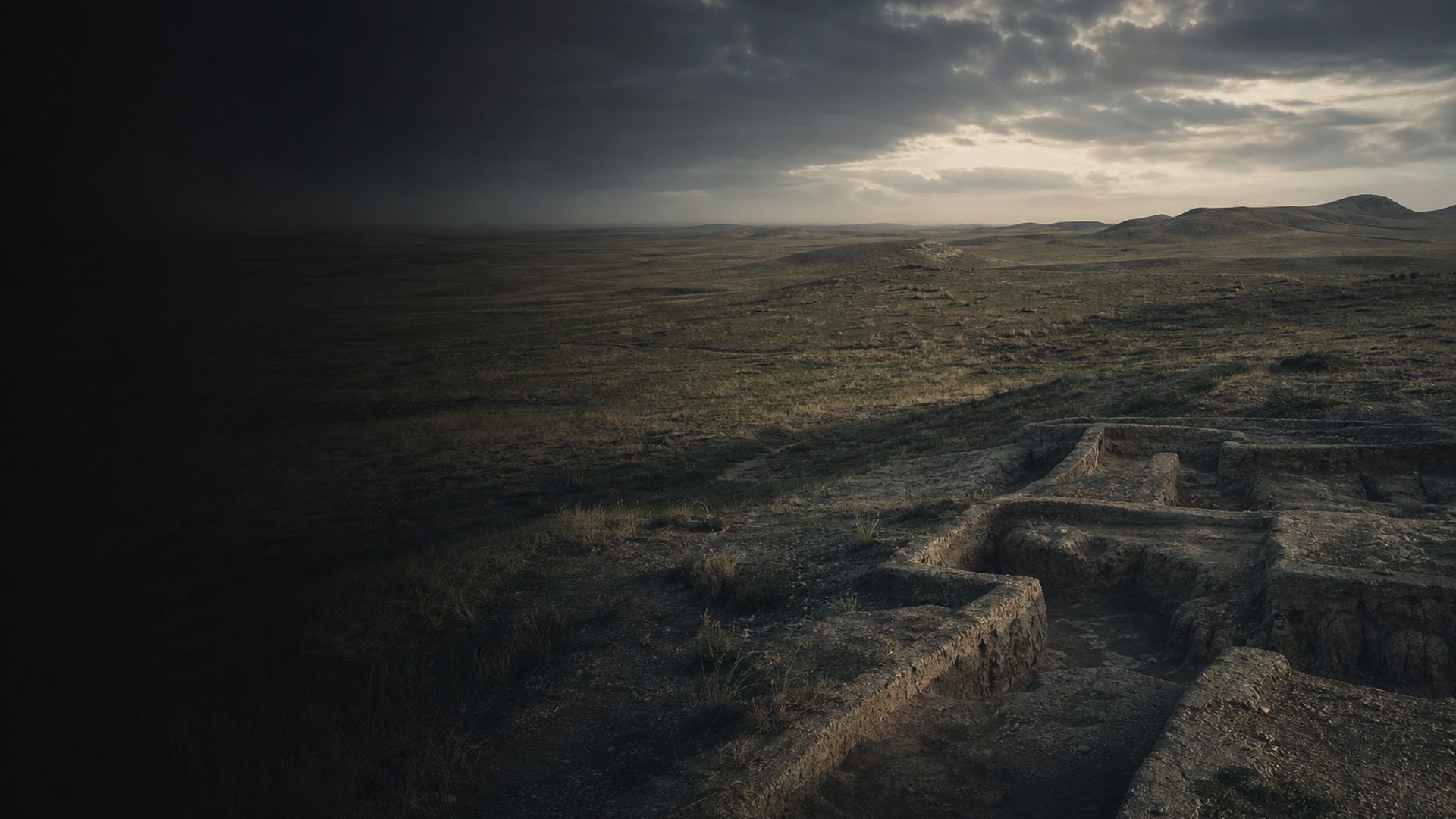
The daily rhythms at Botai can be imagined through detritus: hearths glowing at night, pottery drying in wind-swept courtyards, and the constant presence of horses as both resource and companion. Archaeological data indicates households processed large numbers of horses for meat and likely for secondary products; lipid residue studies and bone cut-marks show butchery and fat exploitation. Wooden and bone tools, worked antler and fine flint, and thick coarse pottery suggest an economy well adapted to preservation, boiling and storage in a continental climate.
Features interpreted as corrals, paired with wear patterns on horse teeth and a prevalence of pathologically altered limbs in faunal assemblages, suggest systematic horse management. Whether that management equated to riding, traction, or tethering is debated; current evidence supports sustained human–horse relationships, possibly including penning and selective culling. Social life at Botai would have revolved around clustered households and seasonal movements to exploit fishing and grazing cycles. Craft specialization appears limited; instead, community resilience likely depended on shared knowledge of animal husbandry, landscape navigation, and processing technologies.
These reconstructions remain interpretive: equating bone concentrations with particular social institutions requires cautious linking of material remains to behavior. Still, the material record projects a cinematic image of a people living intimately with horses under an open sky.