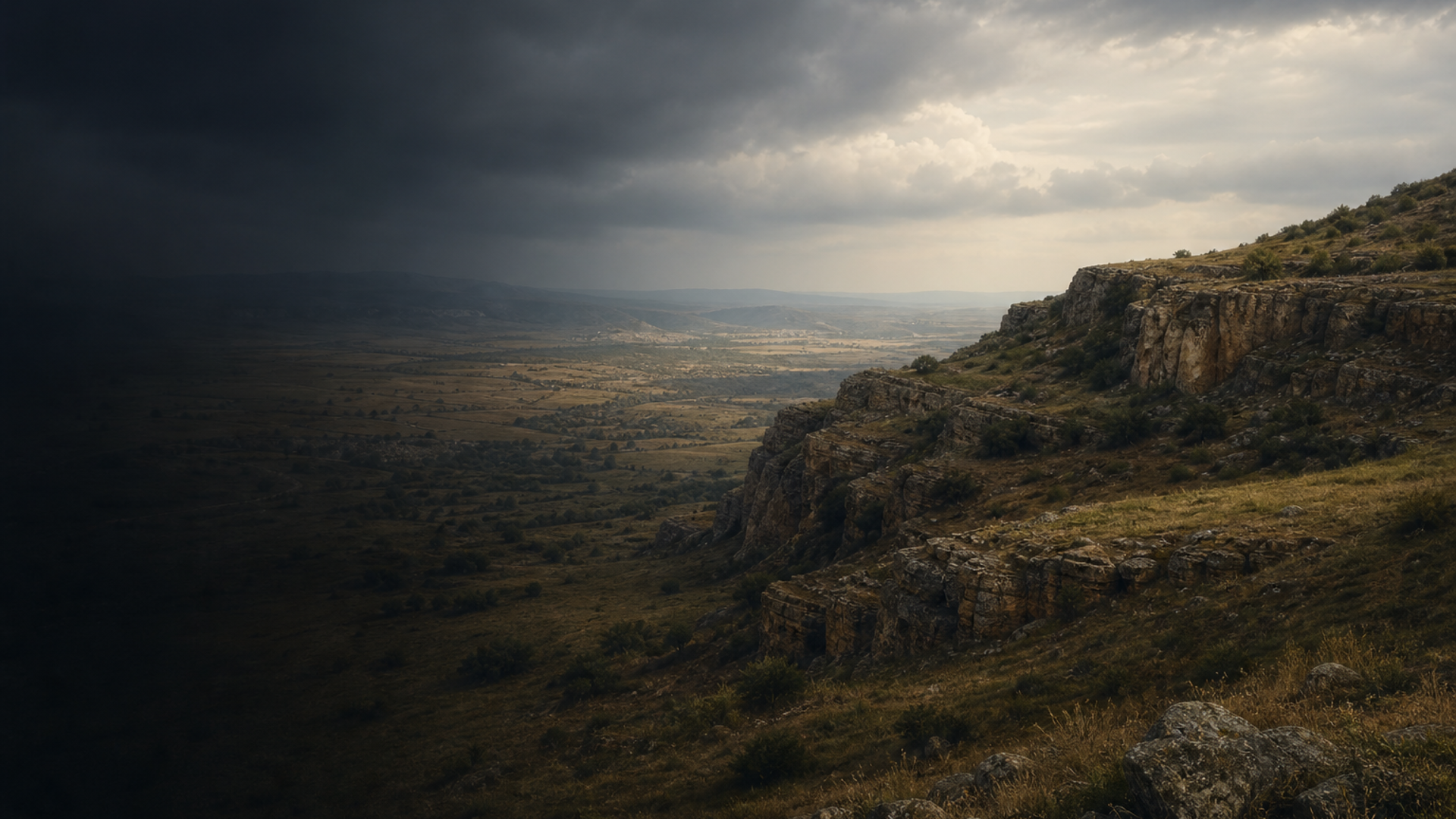
Daily life in Bronze Age southern Bulgaria would have unfolded amid cultivated fields, meadows grazed by herds, and workshops where copper and early bronze were shaped into tools and ornaments. Archaeological surveys in the region, including around Kapitan Andreevo, indicate a mixed economy of cereal agriculture, animal husbandry, and craft production. Houses were likely simple timber or wattle-and-daub structures clustered in hamlets; storage pits and hearths show seasonal rhythms of sowing, harvest, and communal tasks.
Burial practices in the broader Balkan Bronze Age were diverse — inhumation, cremation, and variant grave goods appear across sites — implying varied social identities and possibly emerging status differences. Exchange networks brought raw materials and finished objects into southern Bulgaria: amber, metal ores, and decorated pottery styles moved across considerable distances. These flows hint at mobile artisans, merchant ties, and the movement of ideas as well as goods. Archaeological evidence thus paints a cinematic picture of communities balancing tradition and innovation under changing climatic, economic, and social pressures.