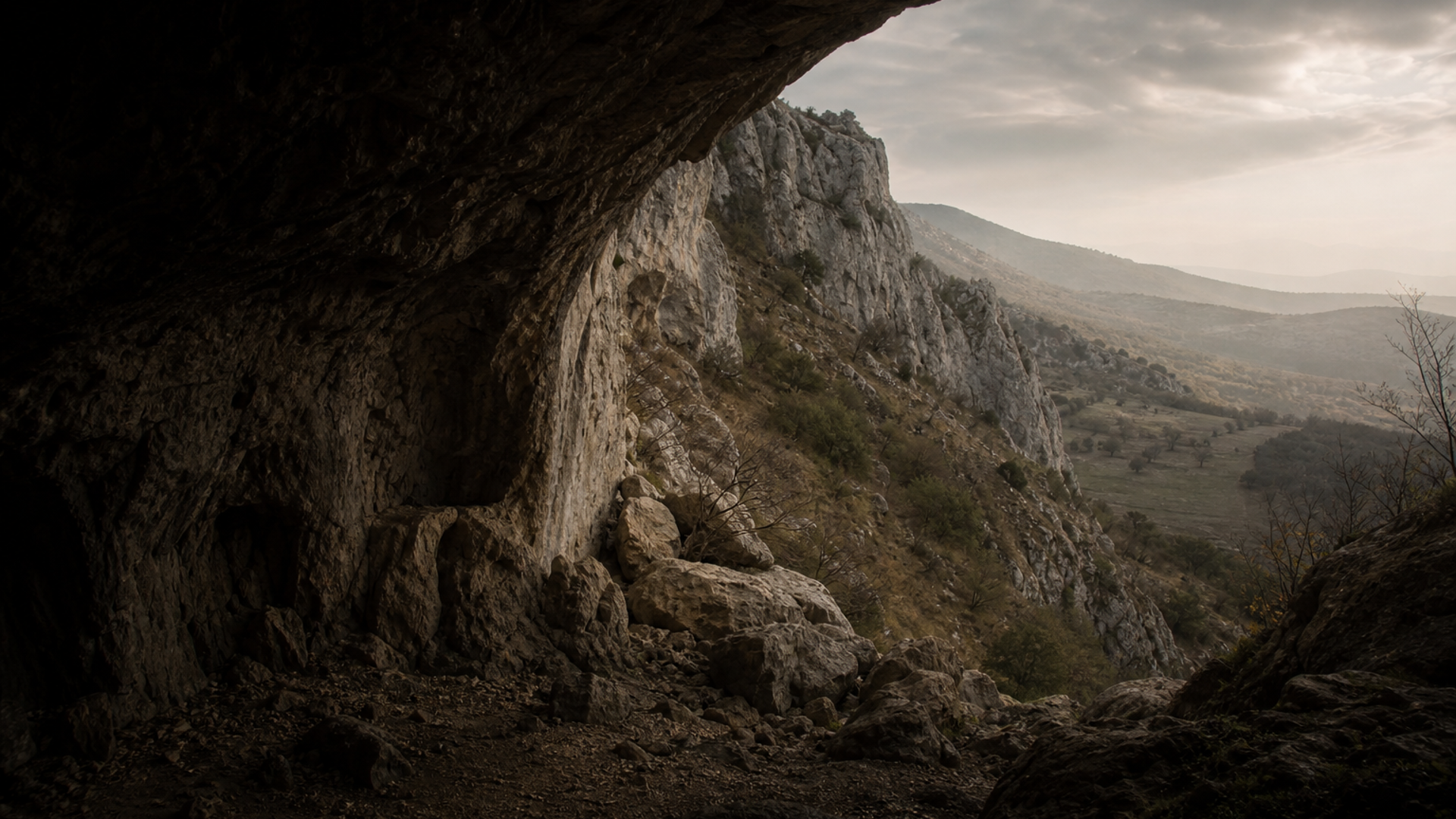
The genetic snapshot from 38 individuals dated to c. 2000–800 BCE at Bezdanjača Cave emphasizes maternal diversity and regional admixture patterns typical of Bronze Age Europe. Observed mtDNA counts—U (8), T (7), H (5), HV (3), H5r (2)—indicate a predominance of lineages that are common across Neolithic farmers, Mesolithic foragers, and Bronze Age populations. Haplogroup U is often associated with deep European maternal ancestry, while H and T are widespread among Neolithic and later groups; the presence of HV and H5r, though limited, adds nuance to maternal continuity.
Crucially, Y‑chromosome haplogroups are not consistently reported or are sparse for this dataset, so paternal lineage patterns remain unresolved. This limits conclusions about sex-biased migration (for example, steppe-associated male influxes) specific to these samples. Nevertheless, genome-wide studies of nearby Bronze Age contexts generally document increased Steppe-related ancestry starting in the 3rd–2nd millennium BCE, layered onto earlier Anatolian farmer and Western hunter-gatherer ancestries. The Bezdanjača maternal profile fits a model of regional admixture: local maternal continuity with incoming genetic components.
Interpretations must remain cautious: 38 samples are informative but represent a single locality. Broader sampling across the Croatian Bronze Age is required to test whether these mitochondrial patterns reflect local persistence, selective burial practices, or wider demographic shifts.