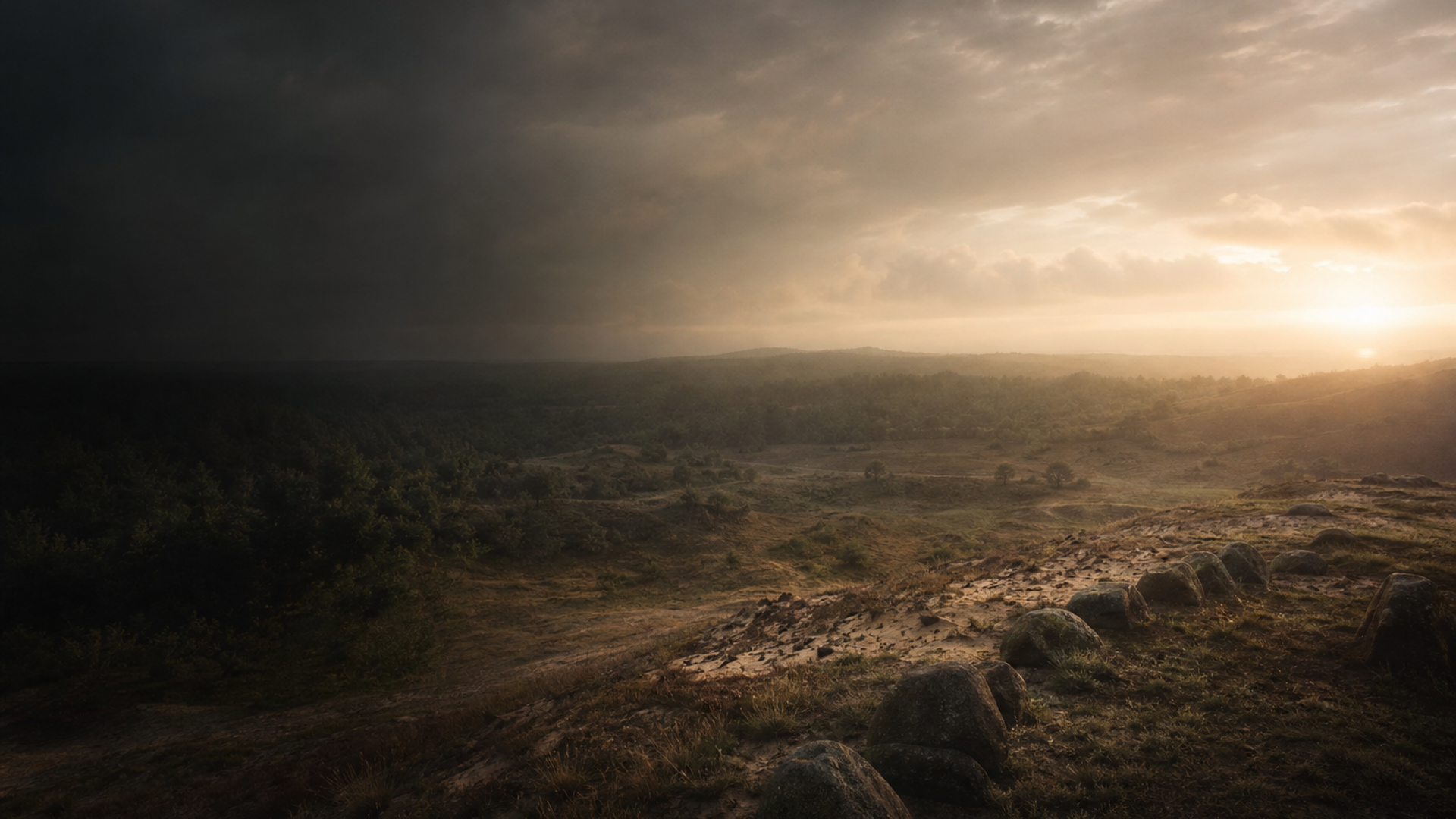
Archaeological traces from Bronze Age Lithuania paint scenes of pragmatic ingenuity and ritual presence. Farmsteads near rivers and wetlands exploited mixed economies: cereal cultivation, pastoralism, fishing, and foraging. Bronze objects—tools, ornaments, and occasional weapons—appear alongside durable pottery and organic material seldom preserved, suggesting skilled craft traditions adapted to a cool, wooded environment.
Burial evidence across the Baltic region, including mound burials and flat graves, reveals variation in mortuary practice. Grave goods at sites like Turlojiškė include personal ornaments and metal items that likely signaled identity, status, or networks of exchange. Landscape features—wetlands, rivers, and routes of amber—structured movement and ritual. Limited osteological data suggest physically robust lives: activity markers consistent with heavy labor and seasonal mobility.
Social organization is not directly readable from the few graves sampled genetically, but archaeological patterns hint at communities with strong kin ties and localized leadership. Trade and gift exchange—amber, metal, and crafted goods—would have knitted together households and hamlets into broader webs of affiliation. Every recovered artifact and bone fragment offers a cinematic shard of everyday life: a hammered pin, a stitched garment imagined from wear patterns, the rhythm of seasons shaping subsistence strategies.