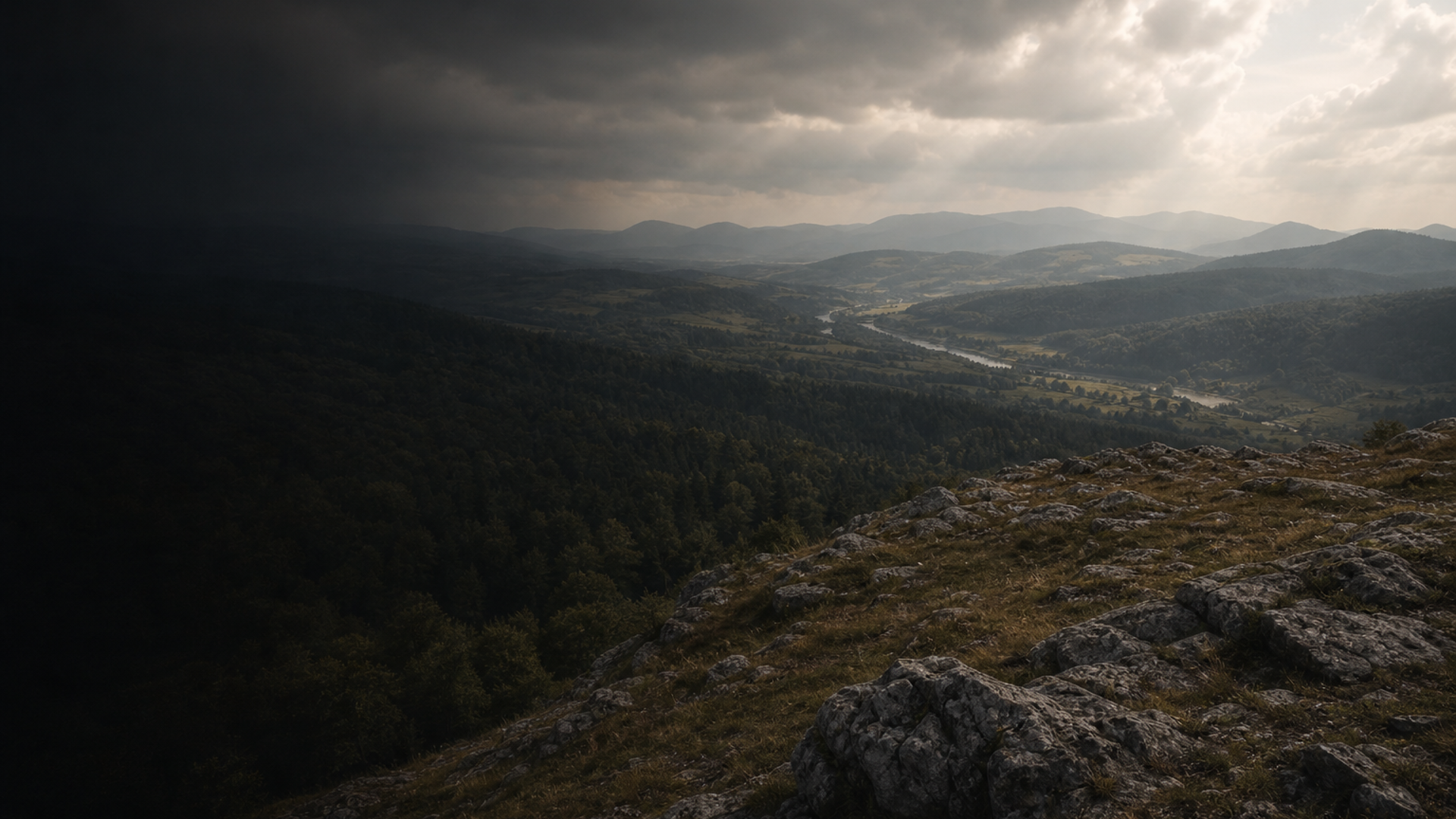
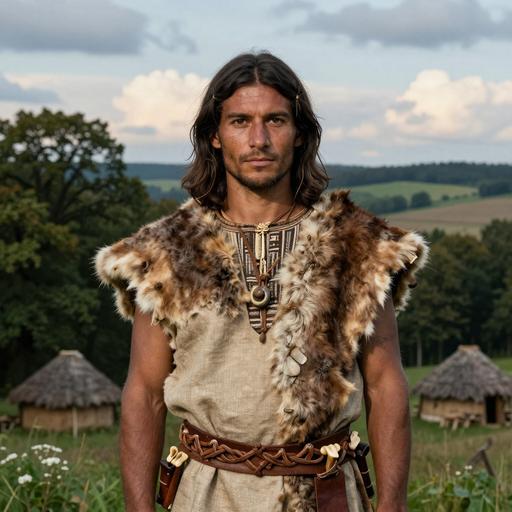
Material traces of everyday life in this region suggest a tapestry of economies and practices. LBK settlements emphasize sedentary agriculture—cereal cultivation, animal husbandry, timber longhouses and pottery—while hunter‑gatherer groups retained mobility, intensive foraging, fishing, and small‑scale exchange. At a frontier site like Brunn Wolfholz, archaeological indicators could include mixed toolkits, transient occupation features, and artifacts showing stylistic blending.
Dietary signals in Neolithic Central Europe point to increasing reliance on domesticated grains and livestock, but isotopic and faunal data from nearby contexts show continued consumption of wild protein for many generations. Social life would have been negotiated at multiple scales: household production in agricultural villages, seasonal gatherings, and exchange networks that moved raw materials and ideas across valleys. Limited faunal or botanical remains directly tied to this single individual restrict firm conclusions about their exact lifestyle, but the regional pattern implies a world of shifting strategies and cultural entanglements.
Archaeological reconstructions must therefore balance evocative scenarios with caution—the lived reality at Brunn Wolfholz likely combined elements of mobility, farming knowledge, and cultural negotiation.