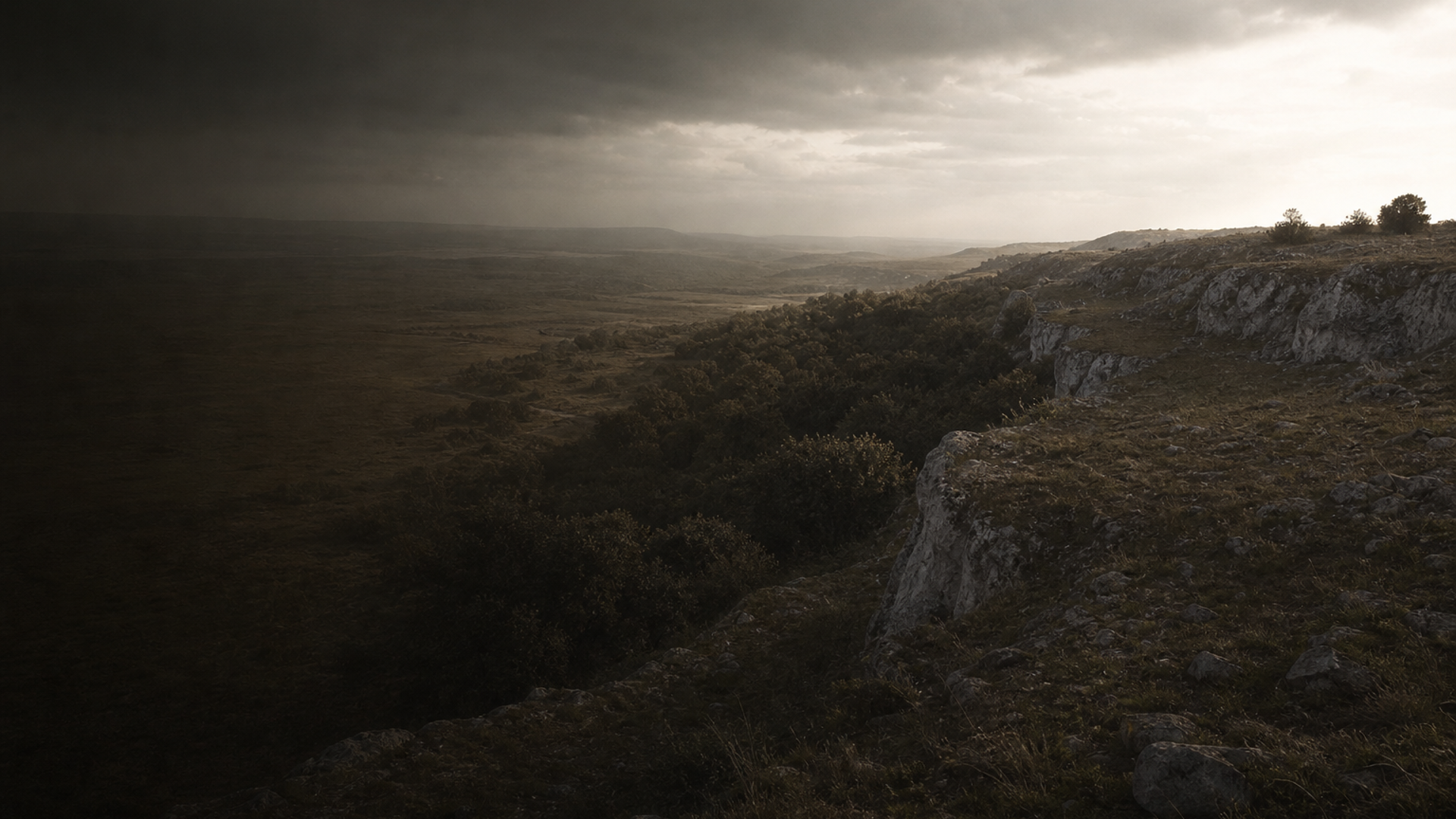
Daily life in the Brunn Wolfholz horizon would have unfolded at the edge of cultivated fields and wildwood. Archaeological analogies from the region indicate a mixed economy: small-scale cultivation of cereals and pulses introduced by LBK groups, alongside hunting, fishing, and gathering strategies retained from local hunter-gatherer knowledge. Pottery styles and domestic tools associated with LBK settlements appear in nearby assemblages, yet continuity in hunter-gatherer tool types has been documented at other contemporaneous Austrian sites, suggesting coexistence rather than abrupt replacement.
Social scenes may have been intimate and mobile — extended families tending plots in river valleys, exchanging pottery or flint, and negotiating alliances through marriage and ritual. The Brunn Wolfholz individual, preserved in the genetic record, likely lived within these intertwined lifeways: a world of dawn fires, wooden mortars, and the slow, tactile work of sowing and harvesting, layered atop older practices of riverine hunting and foraging. Archaeological data indicates cultural blending, but the full texture of daily life remains partly obscured by the limited number of human remains and the uneven preservation of organic materials.