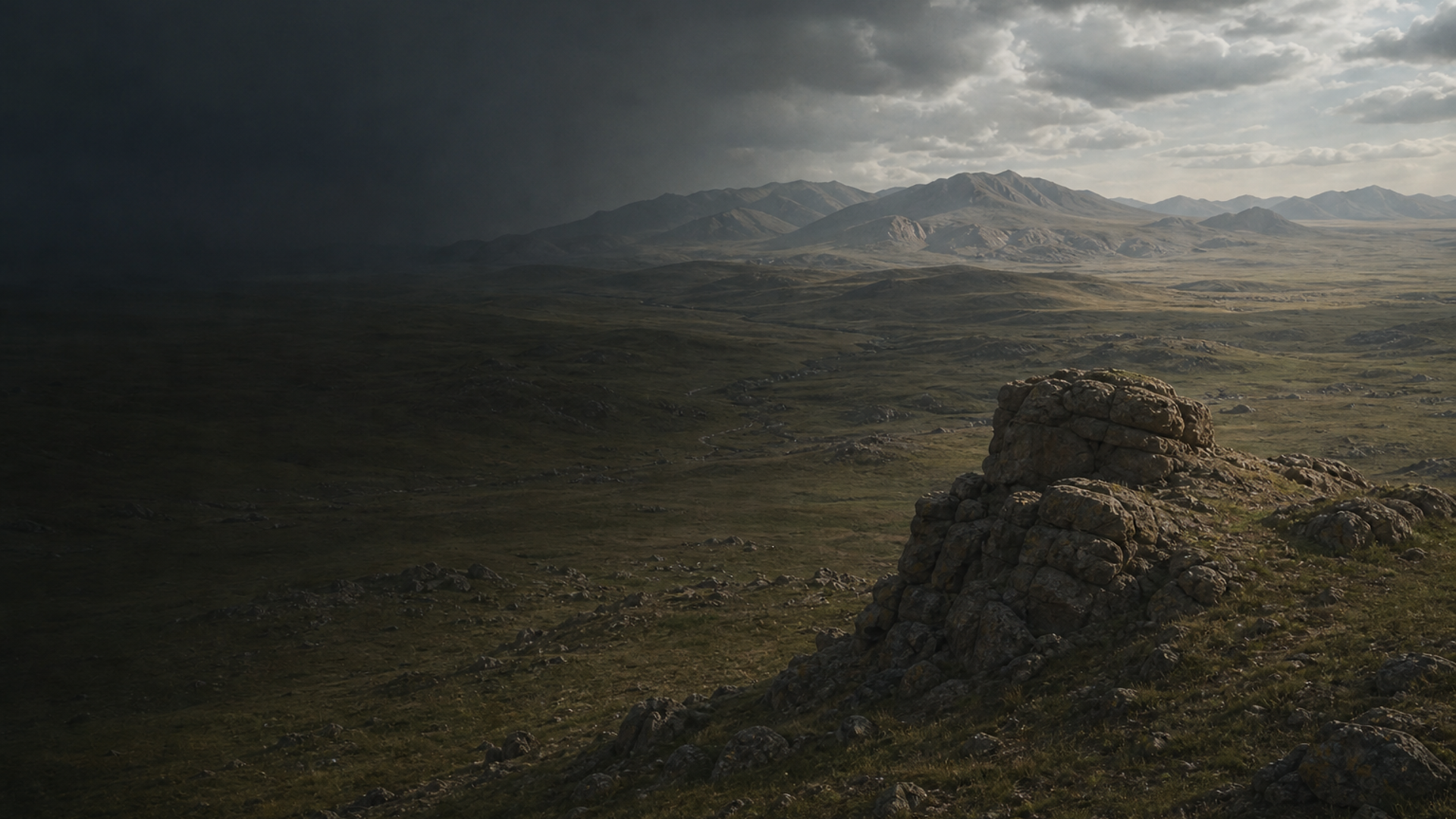
Archaeological evidence from Bulgan paints a picture of resilient, mobile households adapted to the steppe’s seasonal rhythms. Graves at Zaan-Khoshuu include horse-related gear, bone implements, and textile fragments that evoke riders and herders who organized life around livestock and seasonal pastures. Hearth features and small portable artifacts indicate domestic routines that favored mobility: folding furniture, lightweight harnesses, and tools that could travel with families.
Social structure on the steppe likely combined kin-based herding units with wider alliances. Burial variability — some graves richly furnished, others modest — suggests social differentiation, perhaps reflecting wealth accumulated through herds, craft specialization, or success in long-distance trade. Women and men left different material signatures in graves, which, when paired with genetic sexing, can illuminate patterns of residence and marriage: for example, whether exogamous marriage drove movement of women between groups. In Zaan-Khoshuu, mtDNA diversity concentrated in East Eurasian lineages implies local female ancestry continuity, though with limited sampling this pattern is tentative.
Seasonal movement shaped diet and technology. Zooarchaeological indicators typical of the region show reliance on sheep, goats, horses, and cattle; tooth wear and cut marks on bones reflect slaughter patterns synchronized with herd cycles. Textiles and leather goods bear traces of techniques well-suited to a mobile economy — durable, repairable, and multifunctional.
Taken together, the Bulgan assemblage evokes daily rhythms of herding, exchange, and layered social ties under the vast sky of medieval Mongolia.