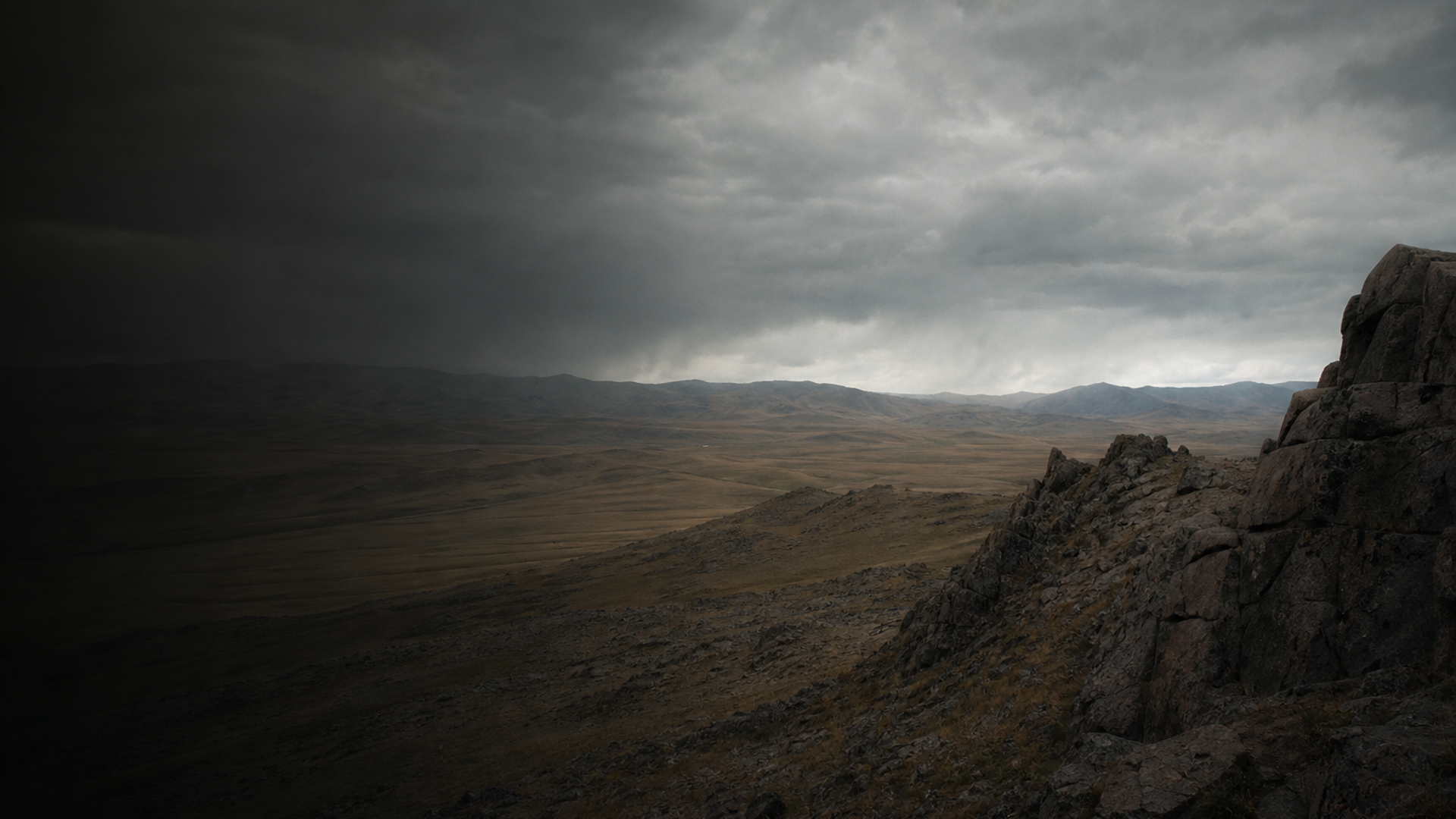
The human story of late-medieval Selenge was written in movement: herds, seasonal camps, and riverine corridors. Archaeological indicators from the region suggest a pastoral economy dominated by sheep, horse, and cattle herding, with communities practicing seasonal transhumance between river valleys and upland summer pastures. Material traces in the broader Selenge landscape—ceramic fragments, tool scatters, and burial deposits—paint a picture of households that were flexible, mobile, and deeply attuned to the rhythms of steppe ecology.
Socially, funerary treatment at Buural Uul appears modest but deliberate. The presence of discrete burial pits and the careful placement of remains align with steppe mortuary traditions where kinship and mobility shaped burial location more than monumental architecture. Such practices imply social networks organized around extended family groups and ephemeral camp communities rather than large, permanent settlements.
Culturally, the era saw interactions between local lineages with memories stretching back to Xiongnu times and incoming influences from broader Mongol-period polities. Exchange along trade and pastoral routes could carry objects, marital ties, and genetic lineages across great distances. Yet many aspects of daily life—dietary breadth, seasonal movements, household organization—remain imperfectly known for Buural Uul and require more excavation and bioarchaeological analysis to reconstruct confidently.