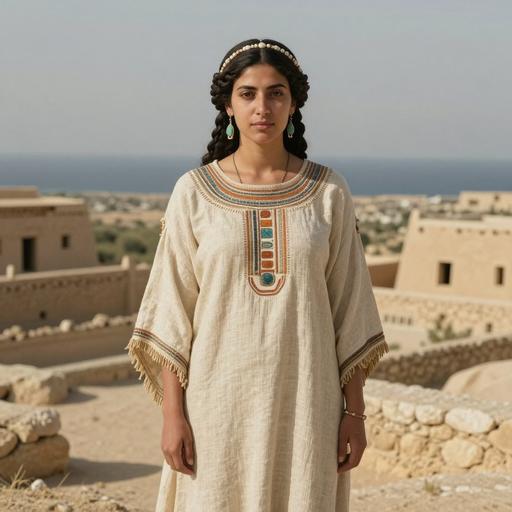
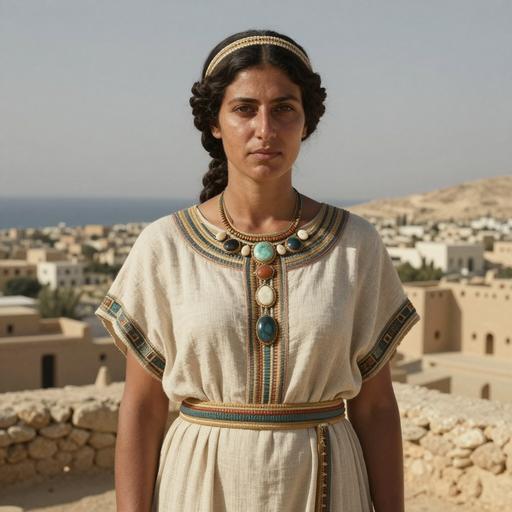
Life in Canaanite towns combined agrarian hinterlands with artisan quarters and port activity. Excavations at Megiddo and Hazor reveal complex streets, storage facilities, and craft workshops; Sidon and Ashkelon emphasize maritime commerce and ship-provisioning infrastructure. Archaeobotanical and zooarchaeological remains indicate mixed farming — cereals, olives, grapes — supplemented by sheep, goats, and cattle. Household archaeology shows specialized production: metallurgy, textile workshops, and storage jars that trace trade routes.
Social organization appears to have been urban and hierarchical, with elites controlling long-distance exchange in timber, metals, and luxury goods. Writing and administrative artifacts (seals, inscribed items) attest to bureaucratic practices in some sites. Religious life was embedded in city topography—shrines, cultic installations, and funerary practices varied regionally but shared common motifs across the Levant.
Material culture, burial patterns, and isotopic studies (where available) show a mix of local lifelong residents and individuals with non-local origins—consistent with merchant mobility and diplomatic ties. This mosaic of rooted communities and moving people produced the richly connected society archaeologists recover in the stratified layers of Canaanite cities.