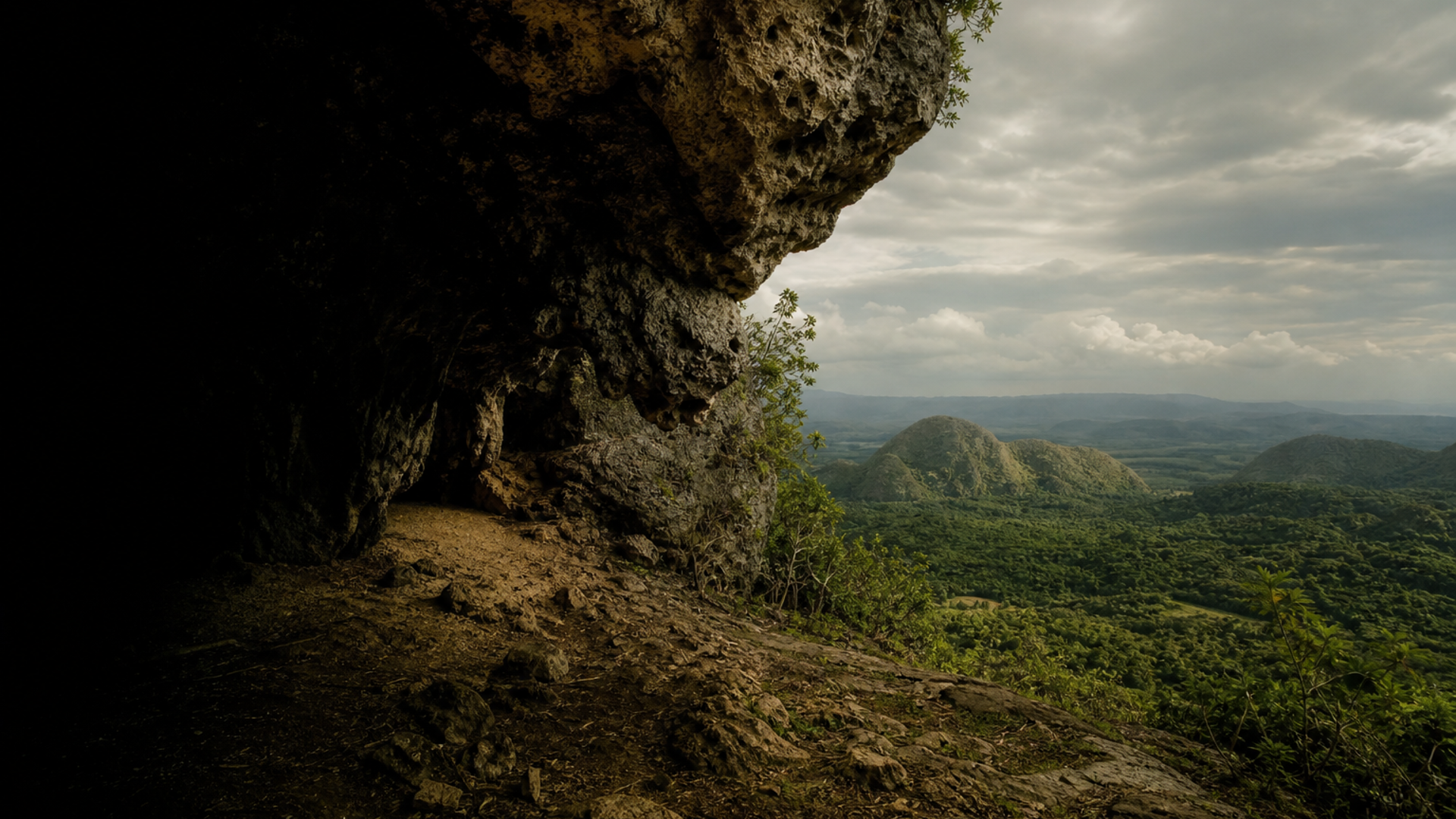
The material footprint of the Canimar Abajo community is subtle: middens of shell, scattered tools of stone and bone, and burial features set into the coastal plain. Such traces suggest lifeways shaped by a sea-girt environment — fish, crustaceans, and mangrove resources would have provided caloric staples, while terrestrial plants and small mammals supplemented the diet. The mortuary evidence, limited but evocative, implies care for the dead and localized social memory expressed through placement in the landscape.
Architectural remains are not prominent at the locus, pointing toward transient or dispersed settlement patterns rather than large, sedentary villages. Craft and mobility likely structured social ties: canoe journeys, seasonal rounds, and inter-island exchange could have woven networks across the Cuban archipelago. Ethnographic analogy and archaeological parallels across the Greater Antilles suggest flexible household units and strong coastal knowledge transmission. Yet, because excavation at Canimar Abajo yields few artifacts and only a handful of burials, reconstructions of social hierarchy, ritual, and economy remain inferential and should be treated as working hypotheses rather than firm reconstructions.