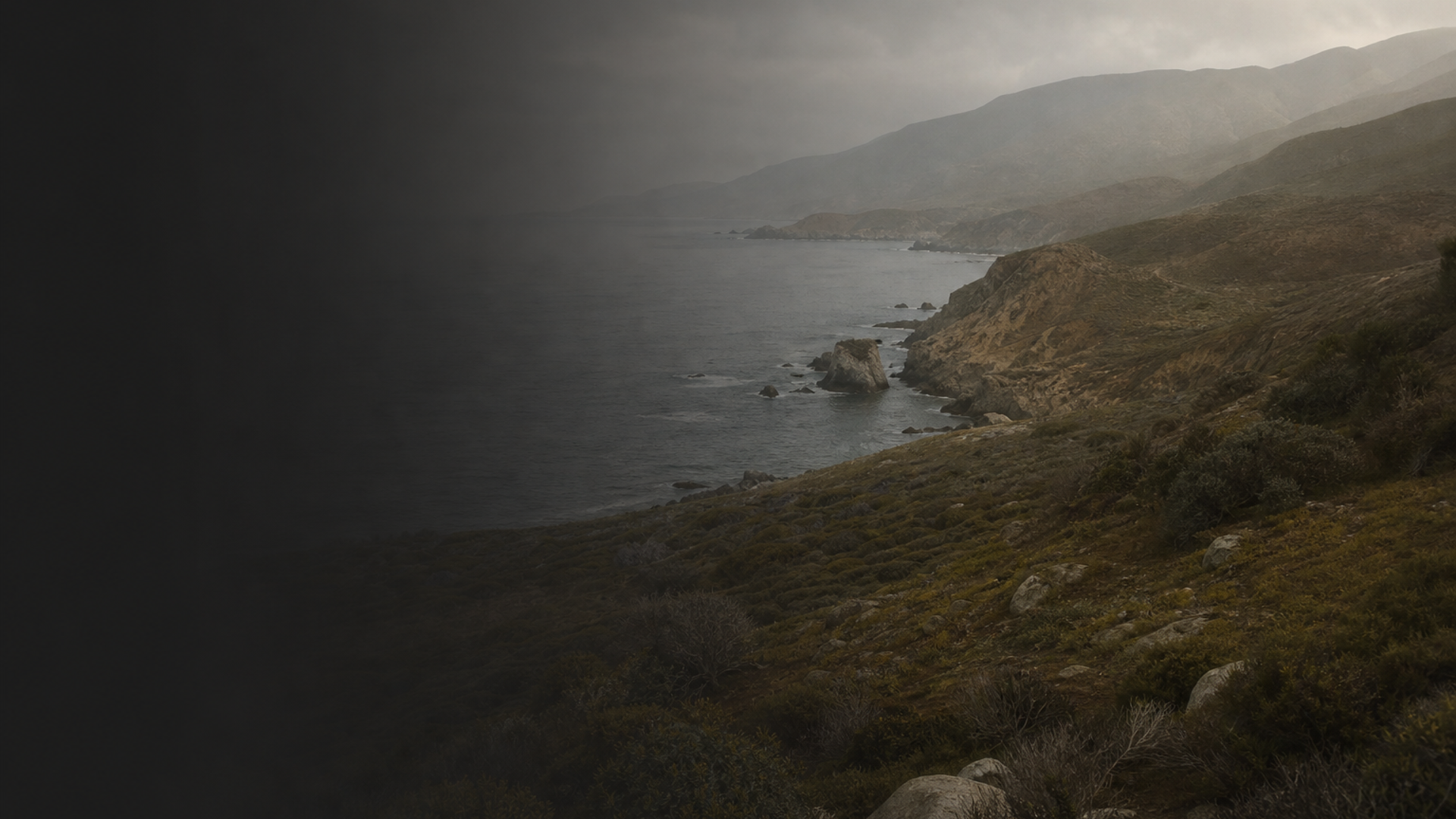
Imagine a fog-bleached morning on the Carmel shore: clam racks steaming on low-lying fires, bone and shell tools drying on driftwood frames, and small camps clustering near year-round freshwater springs. Archaeological assemblages—densely packed shell deposits, fish bone concentrations, and hearth features—evoke a subsistence economy built on shellfish, nearshore fishing, and seasonal gathering of terrestrial plants.
Social life likely revolved around flexible household groups that moved seasonally between shore and upland resources. Ornament production—shell beads, pendants, and worked bone—points to personal adornment and possibly exchange networks along the coast. Spatial patterns in midden size and artifact types suggest both sedentary use of favored spots and mobility that tracked resource abundance.
By the late 18th century, historic-contact pressures (missionization, introduced disease, livestock) altered lifeways in profound ways. Archaeological layers near the end of the sequence sometimes show shifts in artifact frequency and new material types, consistent with disruption. Yet many aspects of daily practice recorded in the pre-contact deposits reflect deep ecological knowledge of the Monterey Bay coastline.