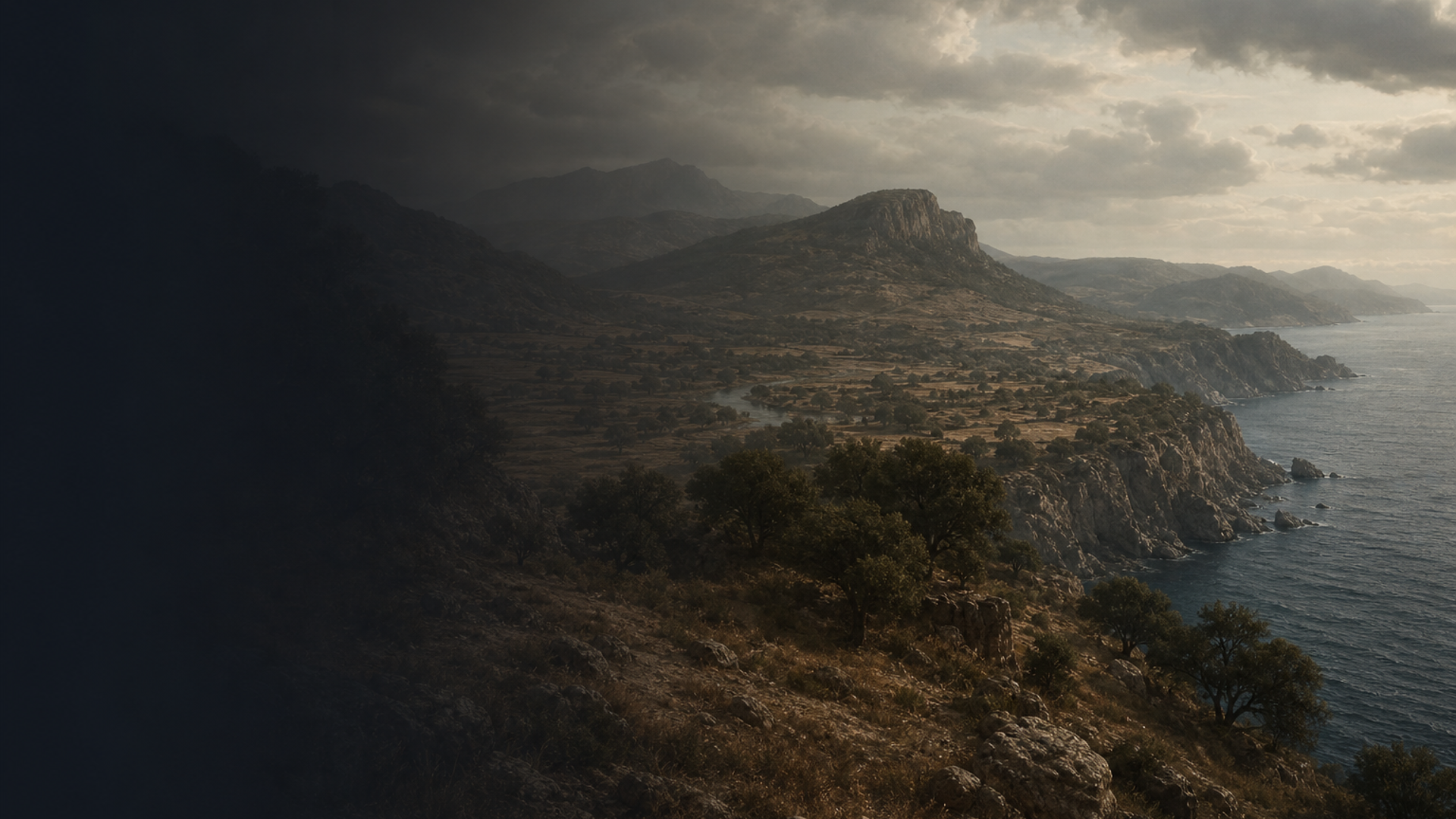
Life in these communities would have been shaped by agriculture, craft, and the demands of a frontier polity. Terraced fields, olive and cereal cultivation, and pastoralism dominated the rural economy; nearby towns and fortified settlements functioned as nodes of administration, market exchange, and ecclesiastical authority. Archaeological remains — foundations, storage pits, and household debris — point to mixed economies combining subsistence farming with specialized crafts and trade along Mediterranean routes.
Social life revolved around kin networks, parish churches, and seasonal obligations to local lords or comital authorities. Funerary practices recorded at small cemeteries near L'Esquerda and Roda de Ter show Christian burial rites, but variability in grave goods and body treatment hints at social differentiation and lingering local customs. Durable goods such as reused Roman stone, imported ceramics, and locally produced metalwork would have given visual texture to daily life.
This was a landscape of thresholds — between mountain passes and coastal plains, between old Visigothic traditions and Carolingian administration. The archaeological record preserves gestures of adaptation rather than wholesale replacement, but the full social mosaic is only partly visible and requires careful integration with genetic evidence to tease apart mobility, marriage networks, and lineage continuity.