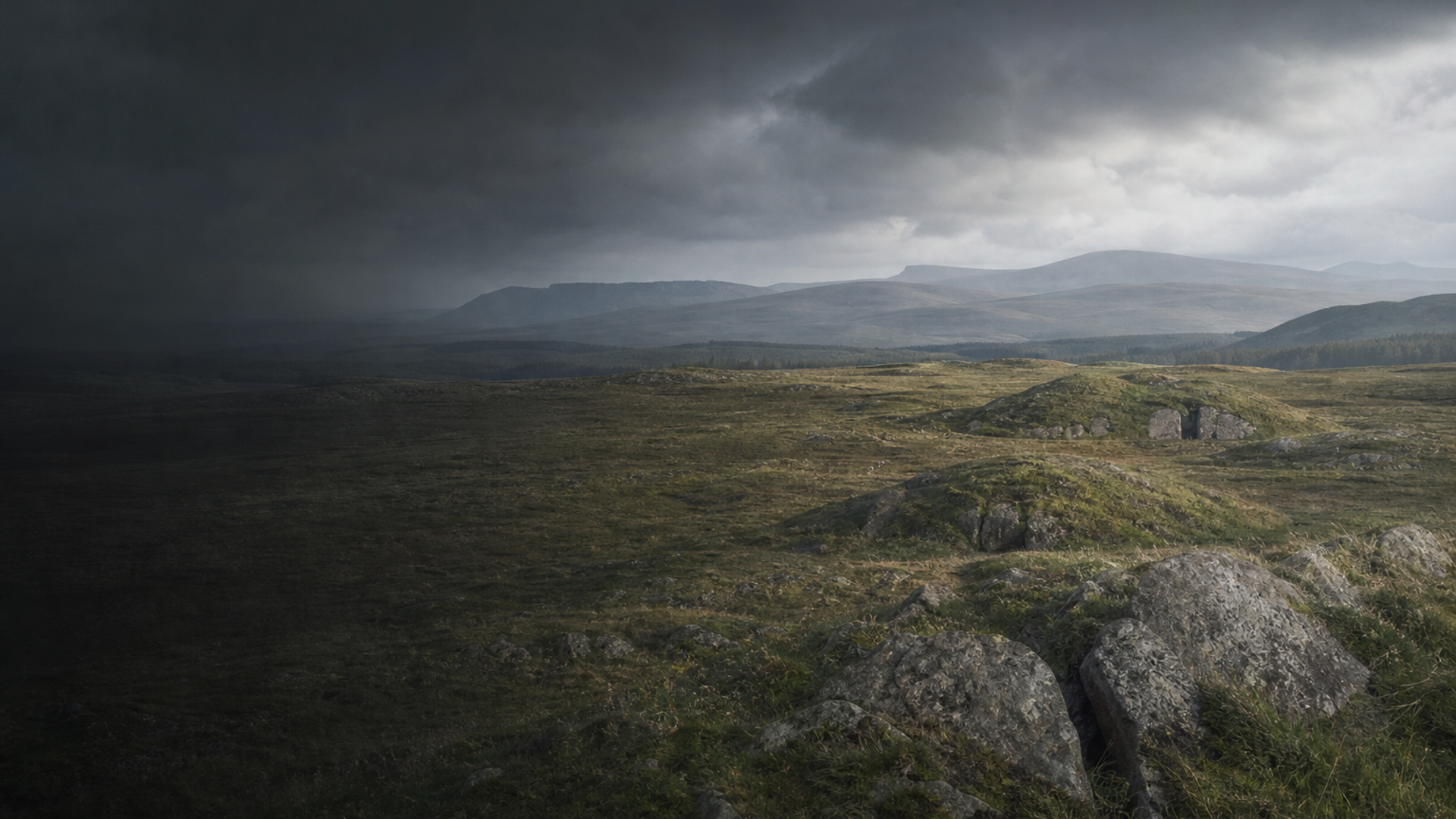
Stone and soil preserve echoes of everyday practice and ritual at Carrowkeel. The monuments themselves—long cairns with stone chambers—are archaeological evidence of organized labor, landscape planning, and communal identity. Excavated deposits from passage tombs in the region often include disarticulated bone, occasional grave offerings, and traces of repeated visiting events; such patterns suggest cyclical ceremonies, ancestor remembrance, and possibly seasonal gatherings.
Material remains for ordinary domestic life are more ephemeral in the record close to the tombs, but environmental samples and nearby settlement surveys point to mixed farming economies: cereals, domesticated animals, and wild resource use in upland and coastal niches. Socially, the interaction of burial architecture and aDNA hints at kin-based groups who emphasized lineage ties and collective ancestry in their monuments. The predominance of one Y‑lineage in these five individuals could reflect patrilineal practices or burial selection, while the range of maternal haplogroups suggests women from varied maternal backgrounds were part of these groups.
Archaeological data indicates that Carrowkeel functioned as both cemetery and communal landscape anchor; genetic data adds a human element to that picture, though more samples are needed to understand household composition, marriage patterns, or social hierarchy.