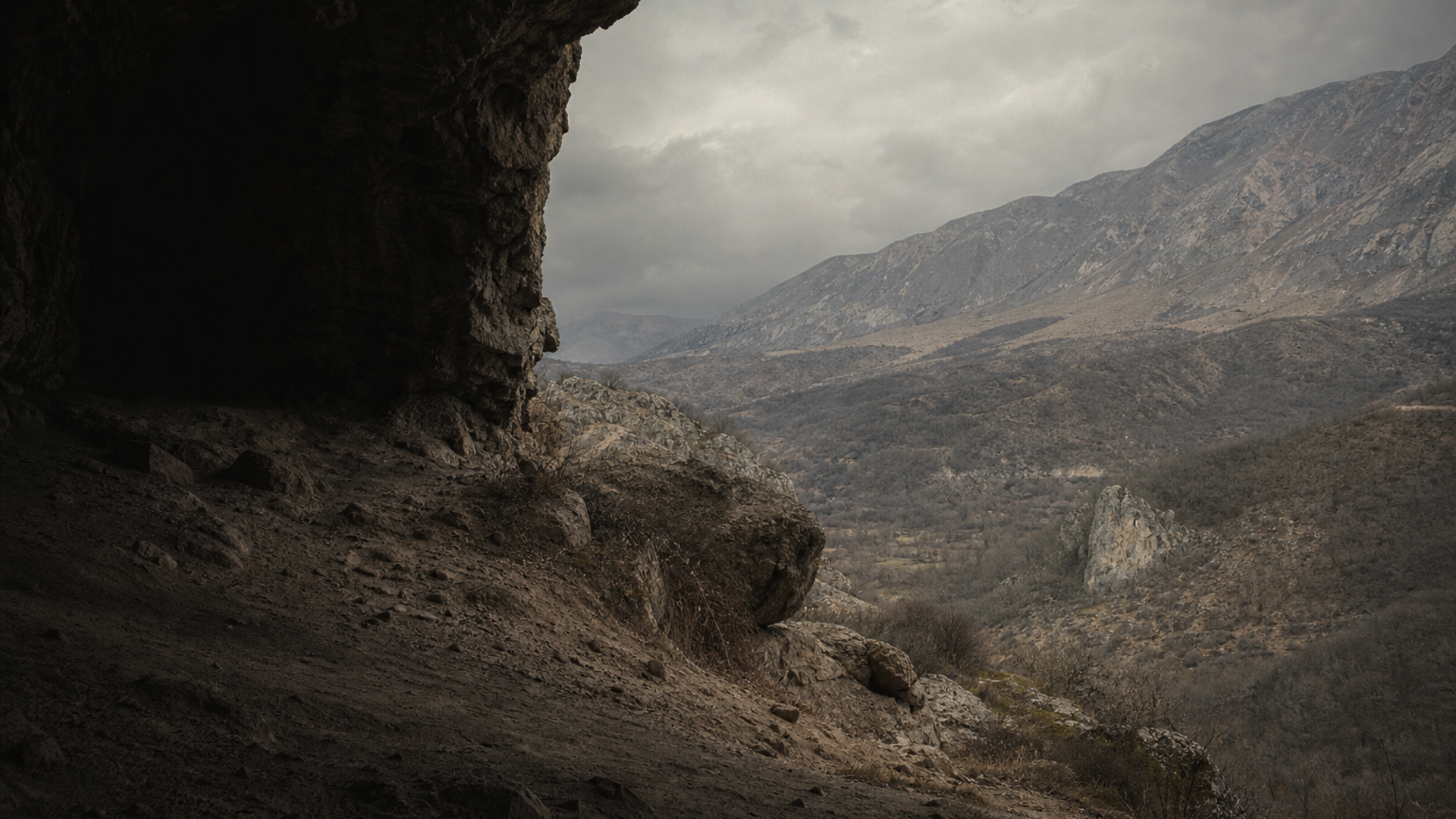
Ancient DNA from three individuals excavated at Grotta de Continenza provides a rare genetic glimpse into early Holocene Italy, but the small sample count (<10) makes all interpretations provisional. Genomic analyses indicate dominance of hunter‑gatherer ancestry components broadly similar to the Western Hunter‑Gatherer (WHG) cluster known from other parts of Europe. This suggests long‑standing local ancestry rather than clear signals of incoming farming populations, which appear later in time.
Y‑chromosome and mitochondrial haplogroup assignments are not robustly established for these individuals in the publicly available summary data; therefore, reporting of specific lineages would be premature. Instead, the key genetic message is patternary: these genomes align with postglacial hunter‑gatherer variation in southern Europe, contributing to the picture of regional continuity punctuated by later demographic shifts during the Neolithic.
Crucially, three samples cannot resolve fine‑scale structure, sex‑biased mobility, or subtle admixture events. Future sampling across Abruzzo and contemporaneous sites will be required to test hypotheses about micro‑regional population structure, kinship at cave sites, and the timing of genetic turnovers associated with incoming Neolithic farmers.