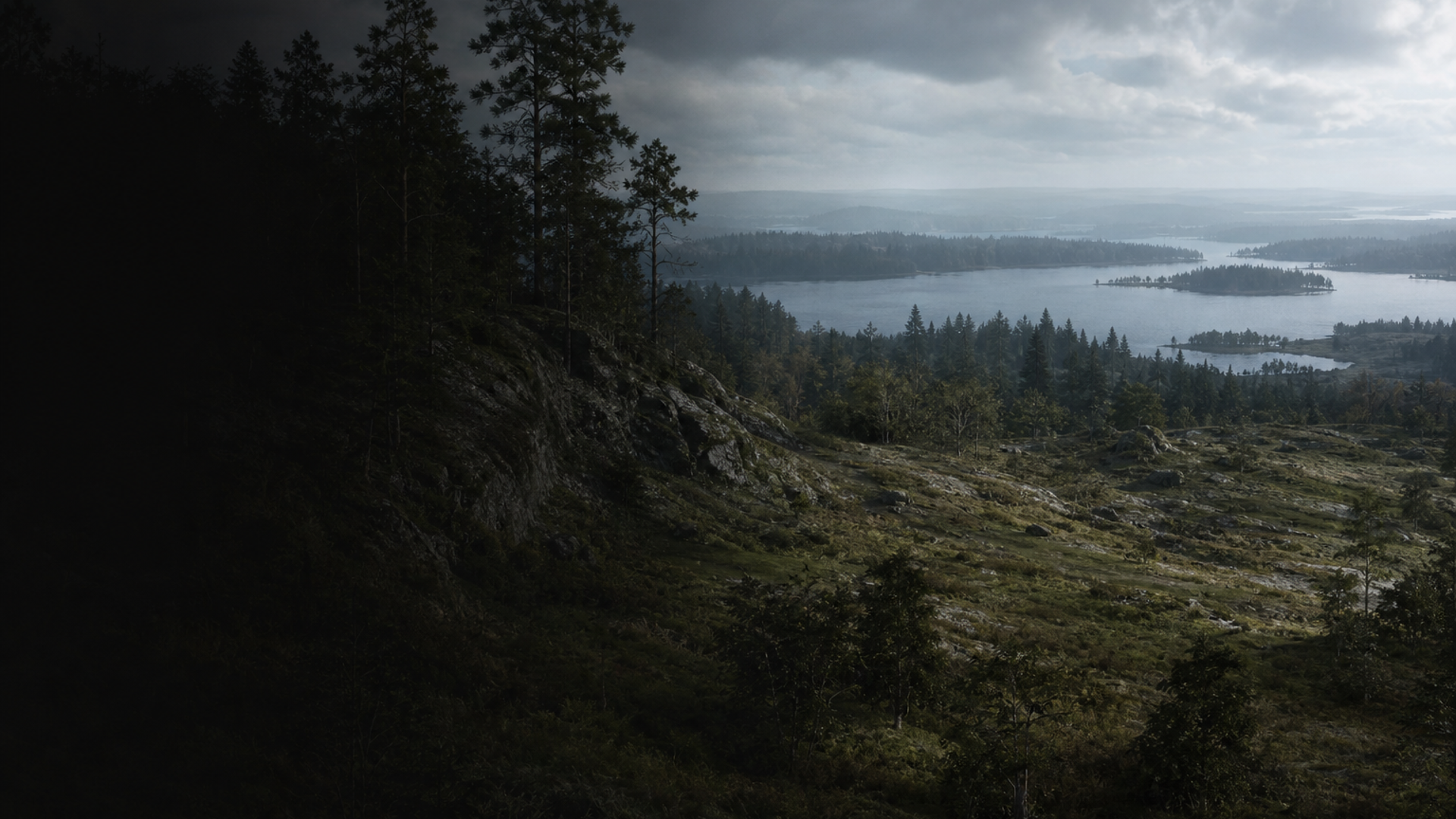
The lives behind the graves were shaped by waterways: the Mälaren basin and the Baltic Sea provided avenues for fishing, trade, and seasonal travel. In the cinematic landscapes of marshes and oak groves, settlements clustered near arable soils and navigable channels. Archaeology records wooden houses, iron tools, and craft debris—signs of mixed farming, ironworking, and specialized artisanship.
Grave goods from Vendel and nearby burials emphasize martial display and prestige: decorated helmets, intricate harness fittings, and high‑status goods indicate hierarchical households with warrior identities and ritualized funerary practices. Women’s graves often contain jewelry and spindle whorls, signaling roles in textile production and long‑distance exchange of luxury textiles. Local exchange networks likely connected inland communities with coastal traders, importing raw materials and ideas.
Seasonal rhythms—spring planting, summer fishing, autumn harvests—would have structured labor and ceremonies. Archaeobotanical remains and animal bone assemblages from comparable regional sites show mixed cereal cultivation, cattle, and pig husbandry, while craft traces reveal skilled smithing and woodwork. These daily practices formed the substrate upon which elite display and mobility were built.