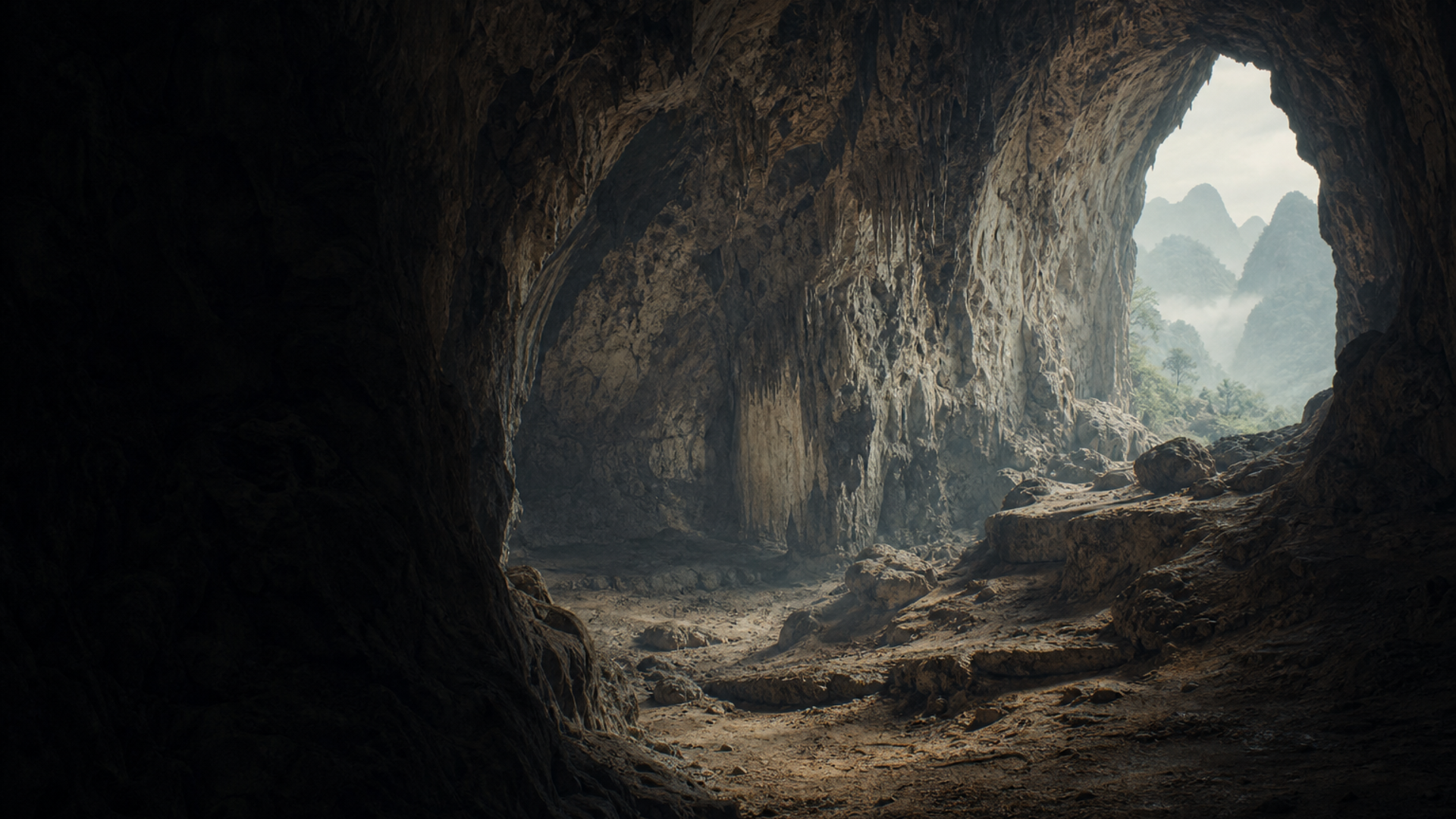
Archaeological inference for Cenxun is cautious because excavation focus was on human remains rather than extensive settlement layers. Nonetheless, the Sui–Tang era in southern China is characterized in the broader record by intensified wet-rice cultivation, expansion of local markets, and increasing connectivity via riverine and overland routes. In Guangxi, small agrarian communities likely combined rice farming, foraging, and exchange with nearby valleys.
Cave interment or shelter use can reflect a range of behaviors: from episodic burial in karst features to temporary refuge during floods or conflict. Material culture from contemporaneous Guangxi sites often includes utilitarian ceramics, agricultural implements, and textile fragments; however, Cenxun’s archaeological assemblage is limited, so direct inferences about clothing, diet, or craft specialization remain tentative. Osteological indicators (when preserved) can hint at workload, diet, and health stressors typical of agrarian populations, but specific palaeopathological data from Cenxun are sparse. Overall, Cenxun conveys a lived landscape of rural communities embedded in a web of local and regional interactions during a dynamic imperial period.