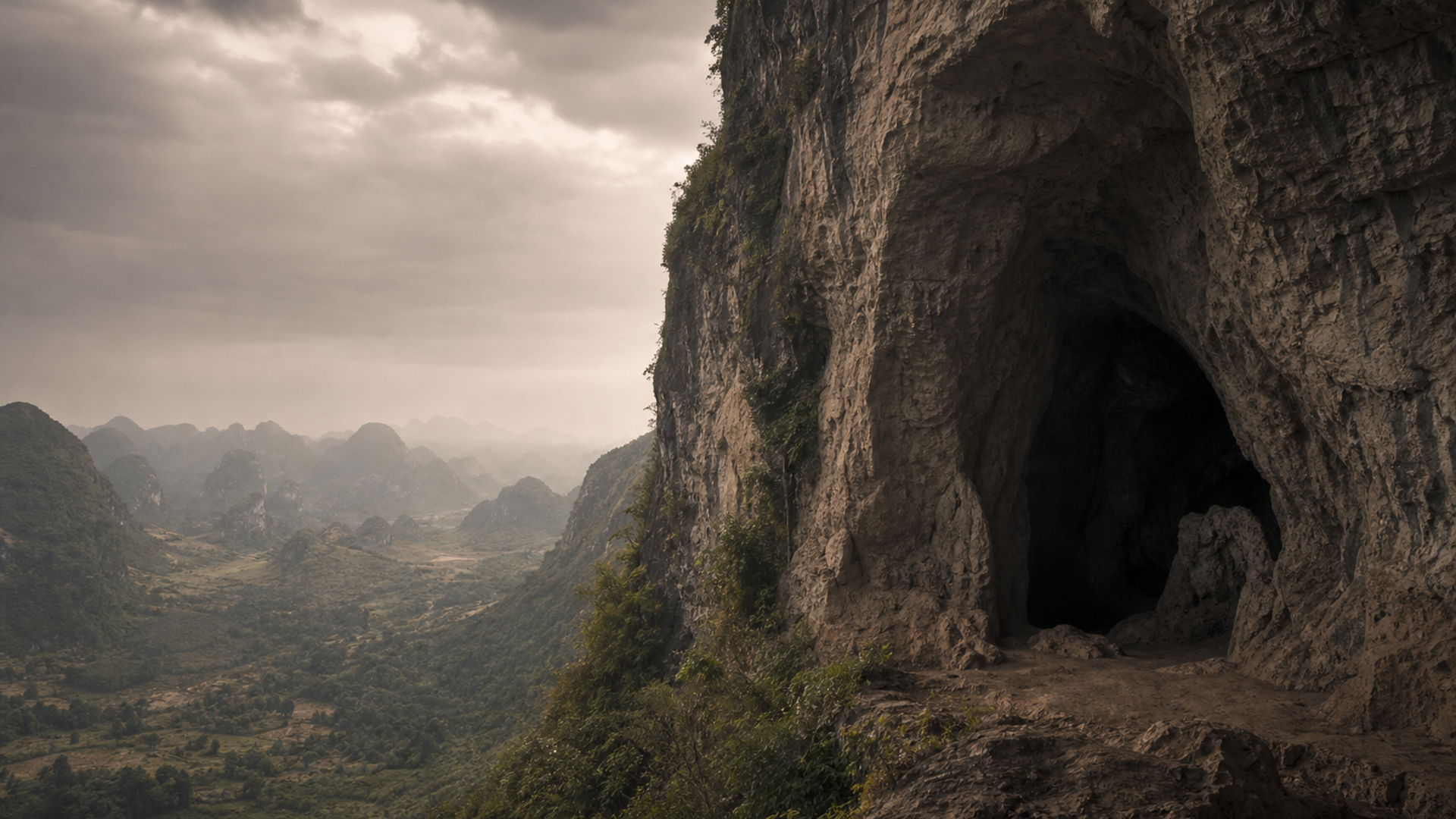
The archaeological context of Cenxun Cave implies human presence in a karst environment where caves could be used for shelter, ritual activity, or burial practices. During the 5th–7th centuries CE, communities in southern China engaged in mixed subsistence strategies: wet-rice agriculture in river plains, upland foraging, and localized craft production. Trade routes were active along rivers and mountain passes, bringing goods and ideas into Guangxi from both the interior and maritime networks.
Material traces from contemporaneous sites in Guangxi and nearby provinces suggest diverse lifeways — from village farming to regional exchange hubs — but direct association of artifacts to the three genetic samples is limited. Osteological remains can sometimes preserve information on diet and mobility; where such analyses are available, they often show a reliance on C3 and C4 plants and local protein sources. Cemetery placement and burial treatments at cave sites can reflect social identity, though specific funerary details at Cenxun Cave remain sparsely reported.
Overall, the human landscape was one of local rootedness shaped by wider economic and cultural currents: families tied to the land, yet participating in the ebb and flow of Sui–Tang era mobility.