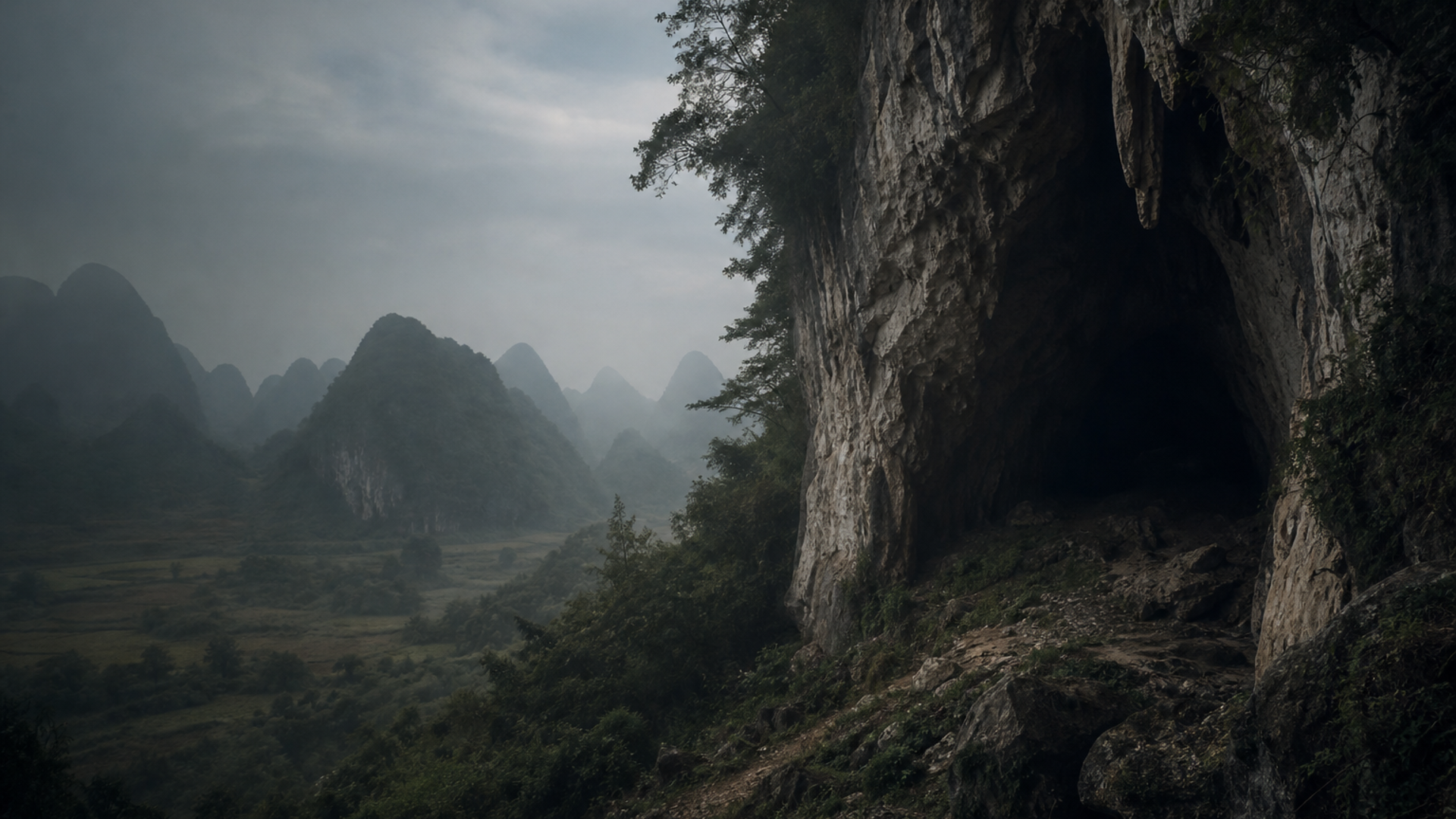
The human story in Guangxi during the Sui–Tang era is one of rhythm and adaptation. Wet-rice cultivation dominated lowland valleys and terraced slopes; people shaped waterways, tended paddy cycles, and raised domesticated plants that anchored village life. Material traces from coastal and inland southern China show household craft, simple metal tools, and local ceramic traditions — a mosaic of everyday items rather than conspicuous elite display in places like Cenxun Cave.
Burial practices in karst caves often emphasize community use of sheltered rock spaces and may reflect local ritual landscapes rather than courtly funerary systems. Archaeological data indicates modest grave contexts at Cenxun, which could signal family- or village-level burial customs. Ethnic and linguistic diversity probably characterized the region: Tai-Kadai, Hmong-Mien, and other southern groups are part of the broader ethnographic picture, but the archaeological record alone cannot assign language or identity. As imperial reach stretched south under the Sui and Tang, markets and administrative ties increased, bringing new goods and ideas — yet daily life likely remained largely anchored in long-established local subsistence and social networks.