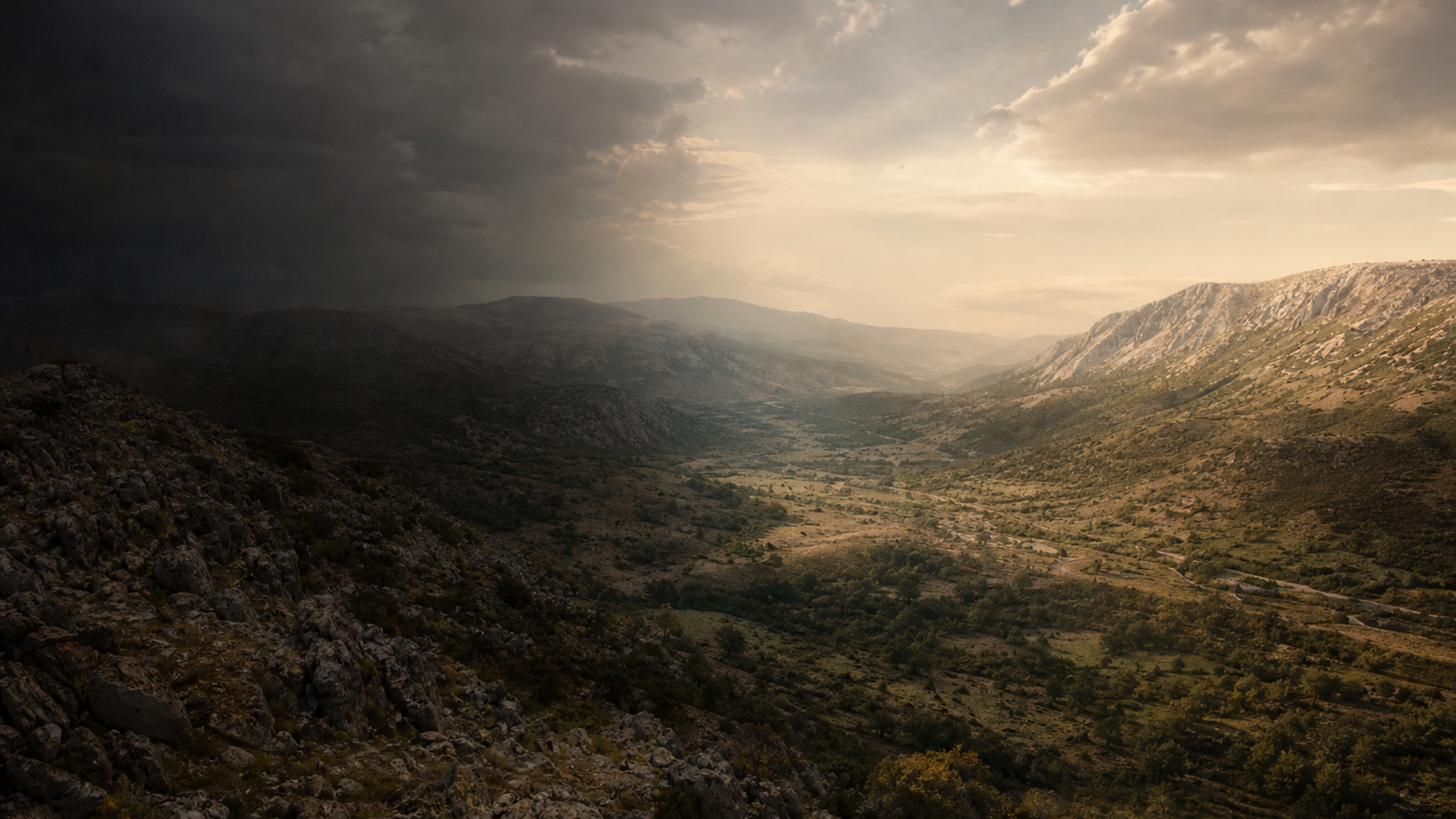
Genome-wide data for this Cetina Valley group are limited in the provided dataset, but mitochondrial DNA (mtDNA) from 16 individuals shows a clear concentration of maternal lineages: haplogroup H (6 individuals) and J (5 individuals) dominate, with single occurrences of T, H5, and HV. Haplogroup H is widespread across Europe from the Neolithic onward and is commonly interpreted as reflecting longstanding maternal continuity in many regions. Haplogroup J likewise appears frequently in Neolithic and Bronze Age contexts and can reflect maternal lineages associated with early farmers and later regional dynamics.
No common Y-DNA pattern is reported for these samples, so paternal lineage structure cannot be assessed here. Without accompanying genome-wide autosomal data for all individuals, interpretations about Steppe-related ancestry, Neolithic farmer continuity, or later admixture remain tentative. The sample size (n=16) is moderate: it is sufficient to identify dominant maternal lineages locally but still limited for making broad demographic claims. Future genome-wide and Y-chromosome sequencing, combined with strontium/isotopic mobility studies, will better resolve questions of migration, sex-biased movement, and population continuity in Middle Bronze Age Dalmatia.