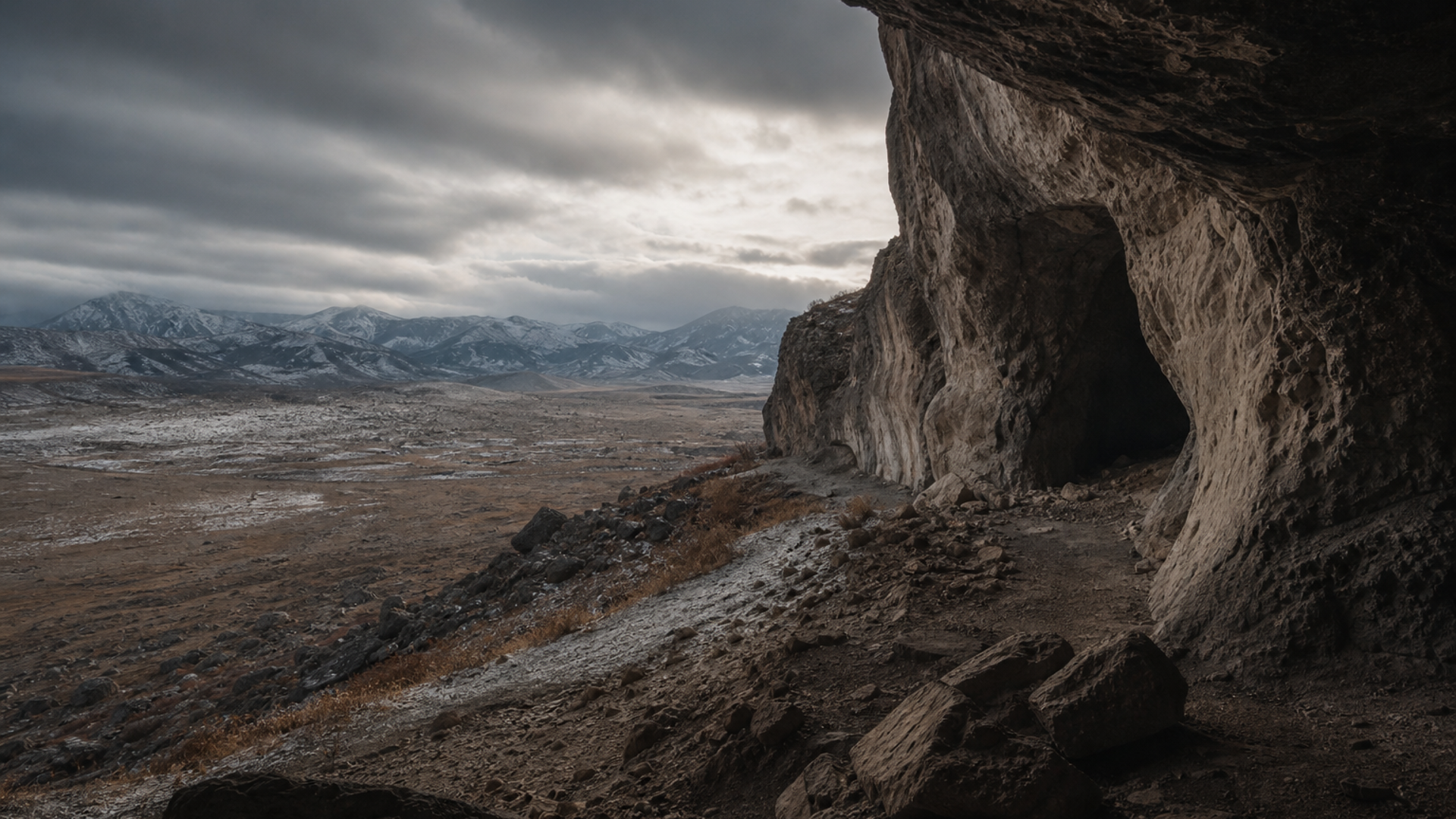
Archaeological traces from Chagyrskaya Cave suggest lives shaped by the demands of a cold, open landscape: butchered large mammals, clusters of stone flakes, and localized hearth features all point toward hunting, carcass processing, and on-site tool maintenance. Cut marks on bone and patterns of fracture in faunal remains indicate deliberate butchery and marrow exploitation, a hallmark of Neanderthal subsistence strategies across Eurasia.
Socially, the presence of multiple individuals in the cave implies small groups using the shelter episodically. Limited evidence suggests control of fire and recurrent use of particular working areas within the cave, which could reflect task-specific zones—flaking benches, processing spots, and resting spaces. Craftsmanship in flint and local raw-material selection speaks to technological knowledge transmitted within groups and perhaps shared across nearby populations.
But the archaeological record here is not a full screenplay—it's a handful of scenes. With only three human samples and variable preservation, reconstructions of kinship, group size, mobility, and social rituals must remain tentative. Still, when artifacts, bones, and DNA are read together, they create a vivid, if partial, portrait: Neanderthals as adaptive, skilled hunters and toolmakers moving through Altai landscapes and leaving both stone and genetic legacies behind.