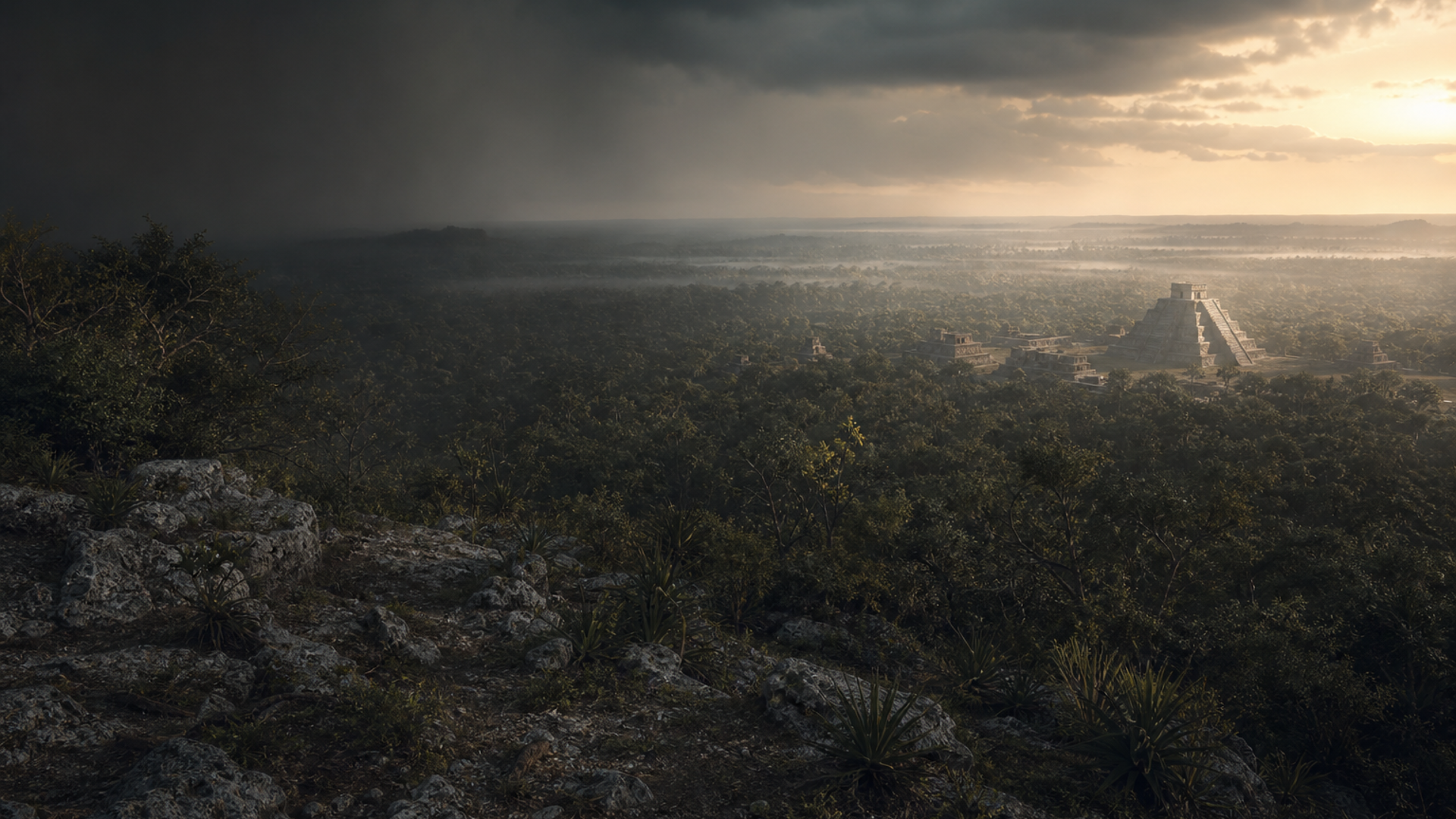
The Chichén Itzá genetic dataset (95 individuals) is large enough to reveal population-level trends while still requiring caution in interpreting fine-grained patterns. Mitochondrial DNA is dominated by haplogroup A and several of its subclades (A2, A2r, A2g) with additional representation of B2-like lineages (B2l). This maternal profile is consistent with broader Indigenous American maternal diversity reported across Mesoamerica and suggests substantial local maternal continuity through the Late Classic into the Early Postclassic period.
Subclade counts: A total of 29 samples assigned to clade A (including 11 A2, 6 A2r, 4 A2g) and 4 assigned to B2l. Some subclades are represented by small numbers (<10), so conclusions about fine-scale maternal founder events or microregional structure remain preliminary. The relative abundance of A-lineages may reflect long-standing maternal lineages in the northern lowlands or sampling biases toward certain burial contexts.
Notably, the provided dataset lacks a clear, consistently reported set of Y-DNA haplogroups. The absence of well-characterized paternal markers could stem from preservation differences, laboratory sampling choices, or historically lower yields of male-specific data. Therefore, claims about male-mediated migration, elite paternal lineages, or shifts in paternal ancestry should be treated as unresolved until further Y-chromosome or autosomal analyses are published.
Autosomal analyses (when available) would help clarify admixture, kinship within burial plots, and degrees of genetic continuity versus influx. For now, the mitochondrial signal anchors Chichén Itzá to deep Indigenous maternal roots, while the paternal and autosomal picture remains an active area for future research.