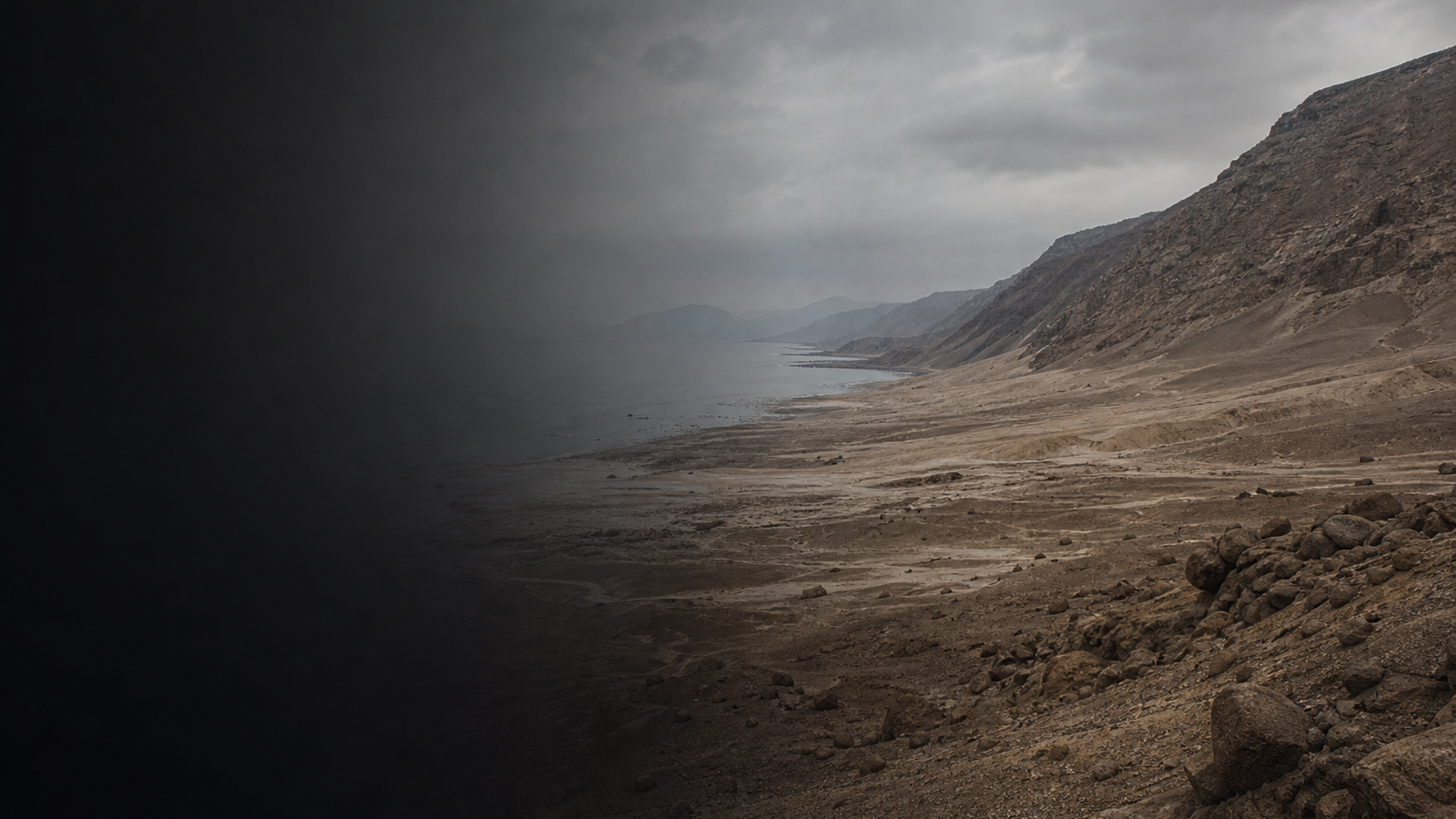
The rhythm of life for Late Archaic Chinchorro communities was dictated by the tides and the desert wind. Archaeological remains from the Arica littoral reveal repeated campsite loci where seafood — fish, shellfish, and marine mammals — provided caloric staples, supplemented by small-scale terrestrial resources transported from nearby oases.
Material traces suggest specialized toolkits: barbed points for fishing, scraping tools for hide and plant processing, and containers fashioned from shell or vegetal fiber. Domestic spaces appear ephemeral but repeatedly occupied, producing dense middens that today preserve a stratified record of diet and craft. The careful placement of the Enco C2 burial within this matrix hints at social identities formed through kinship, territorial attachment, and maritime knowledge.
Social complexity likely remained subtle and non-hierarchical by monumental standards, yet ritual investment in the dead points to symbolic worlds and communal memory. Archaeological interpretation must remain provisional: a single burial cannot reveal household composition, social ranking, or full economic breadth, but it offers a vivid human face for broader coastal lifeways.