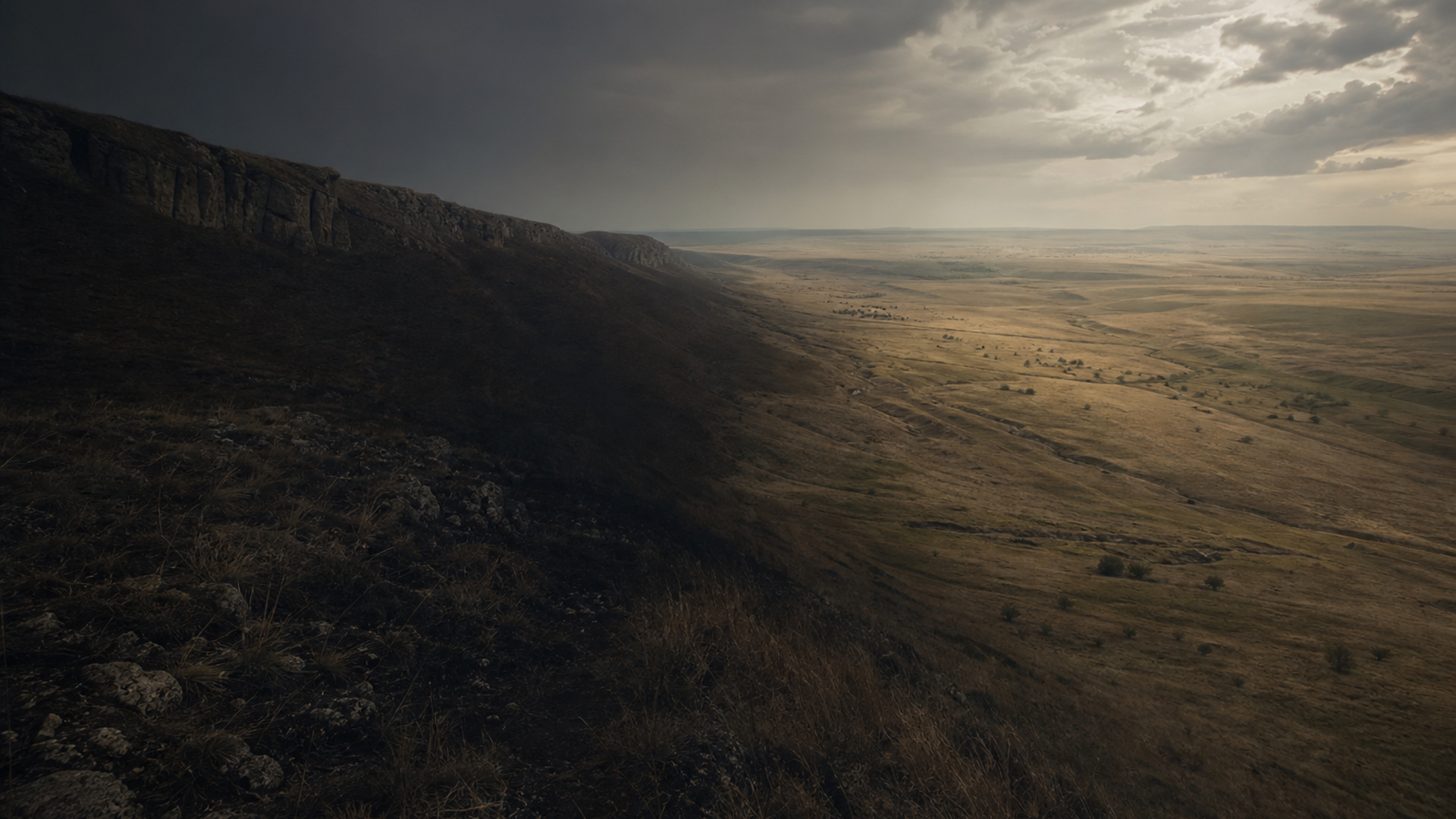
Material traces from nearby Cimmerian contexts in the Pontic fringe evoke a world of seasonal herding, ritualized burials, and exchange across open country. Archaeological data indicates that communities combined grazing economies with localized agriculture in sheltered valleys; settlement evidence in Moldova often clusters along rivers and lowland corridors that provided pasture and access to trade routes.
Artefacts typical of the Cimmerian sphere include metalwork with steppe-inspired motifs, simple pottery, and weapons or horse-gear in mortuary contexts. The three individuals sampled likely belonged to communities where mobility, cattle and horse husbandry, and intergroup networks mattered. Funerary placement and grave goods (where preserved) can reflect social roles — warriors, mounted herders, or kin groups — but for Mokra and Glinoe Sad the archaeological records are fragmentary.
Ethnographic analogies and landscape archaeology suggest social ties were negotiated through seasonal movement, alliances, and trade. Yet these portraits remain cinematic reconstructions: many details of diet, social stratification, and kinship require more direct evidence—stable isotopes, more burials, and wider excavation—to move from evocative possibility to tested hypothesis.