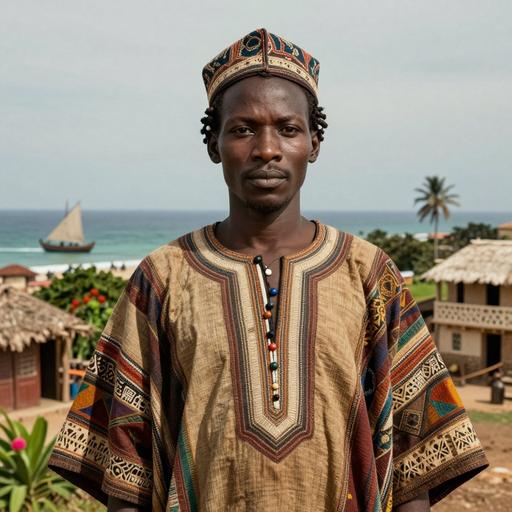
Life in Swahili towns was shaped by the sea. Ships brought cloth, ceramics, and glass beads; exports included ivory, timber, and coastal agricultural products. Stone houses of merchants, burnished floors, and mosques with qibla orientations reveal an urban culture attentive to ritual, status and long-distance commerce. Excavations at Songo Mnara and Kilwa reveal dense habitation patterns, craft areas, and elite compounds; cemeteries with inscribed tombstones reflect Islamic faith and literate identities.
Social organization was layered: merchant families, craft specialists, crew and laborers, and hinterland partners who supplied food and raw materials. Women appear in archaeological records through household assemblages and burial goods, suggesting active roles in production, exchange, and family networks. Ethnographic and historical records complement the archaeology, but archaeological data indicates local variability—some towns were dominated by maritime elites, others by mixed agrarian-merchants.
Imported goods were visible markers of status, yet many everyday items were locally made, showing continuity of African craft traditions alongside cosmopolitan taste. The material world speaks of a coast where mobility, multilingualism, and mixed ancestries were commonplace.